 Chandra Wijayanto
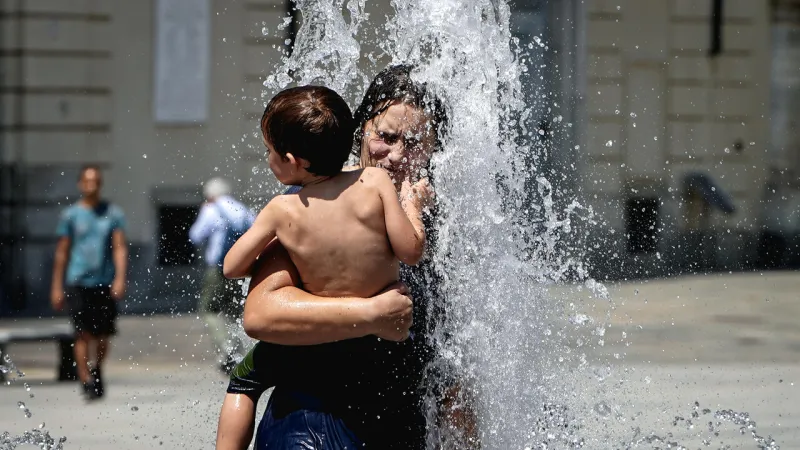
Rome is among 19 Italian cities facing a red alert tomorrow as a prolonged and intense heatwave, pushing temperatures 7-8 degrees Celsius above seasonal averages, continues its grip on the nation. Meteorologists predict a potential respite only after August 18, marking the probable conclusion of this fourth significant wave of extreme heat.
This unrelenting meteorological phenomenon is subjecting millions across the Italian peninsula to conditions considerably beyond typical summer norms. The high temperatures are not merely uncomfortable; they present substantial public health risks, particularly for vulnerable populations such as the elderly, young children, and individuals with pre-existing medical conditions.
The red alert designation, issued by health authorities, signifies a severe threat to public health, even for healthy individuals. It mandates increased vigilance and adherence to preventative measures, underscoring the gravity of the situation unfolding across key urban centers.
Expert climatologists attribute the extended duration and intensity of these heatwaves to shifting global weather patterns exacerbated by climate change. The frequency of such extreme events has markedly increased in recent years, prompting heightened concerns about long-term environmental and societal impacts.
Official government advisories urge citizens to remain hydrated, avoid strenuous physical activity during the hottest parts of the day, and seek refuge in air-conditioned environments. Public health campaigns are actively disseminating information on recognizing heatstroke symptoms and administering first aid.
This ongoing situation mirrors broader global trends, as indicated by recent analyses suggesting a significant surge in overall heat exposure worldwide, potentially increasing daily exposure by four hours by 2100. Global Heat Exposure Surges: Four Extra Hours Daily by 2100, a study found, paints a stark picture of future challenges.
The economic ramifications of such persistent heat are also becoming apparent. Agricultural sectors face severe stress, with potential crop yield reductions and increased irrigation demands. Tourism, a vital component of the Italian economy, could also experience disruptions as visitors reconsider travel during peak heat.
Furthermore, the strain on energy grids is considerable, driven by widespread use of air conditioning. Authorities are closely monitoring energy consumption to prevent widespread outages, a critical concern during periods of such elevated demand.
Health services, already stretched during the summer months, are bracing for an influx of heat-related emergencies. Hospitals and clinics have activated contingency plans to manage the anticipated rise in patients suffering from dehydration, heat exhaustion, and more severe heatstroke.
While the current forecast suggests a potential break in the oppressive heat between August 17 and 18, the lingering effects and the implications of such sustained extreme weather events continue to be a primary focus for both policymakers and public health officials across Italy.
The current year, 2026, has already seen multiple heatwaves impact Europe, and this fourth Italian episode serves as a potent reminder of the escalating challenges posed by a warming planet. The need for robust adaptation strategies and continued efforts to mitigate climate change becomes ever more pressing with each successive record-breaking temperature.
Local municipalities are also implementing measures such as extended hours for public swimming pools and providing shaded areas in parks to offer some relief to residents. Community centers are opening their doors as cooling stations, particularly for those without access to air conditioning.
The resilience of Italian communities is being tested, but public awareness and cooperative efforts are crucial in navigating these extreme conditions. As the nation anticipates the end of this current heatwave, the broader conversation around climate preparedness gains renewed urgency.
This pattern of increasingly frequent and intense heatwaves necessitates a comprehensive, long-term strategy that integrates urban planning, infrastructure development, and public health initiatives to safeguard future generations against similar climatic extremes.