 Chris Robert
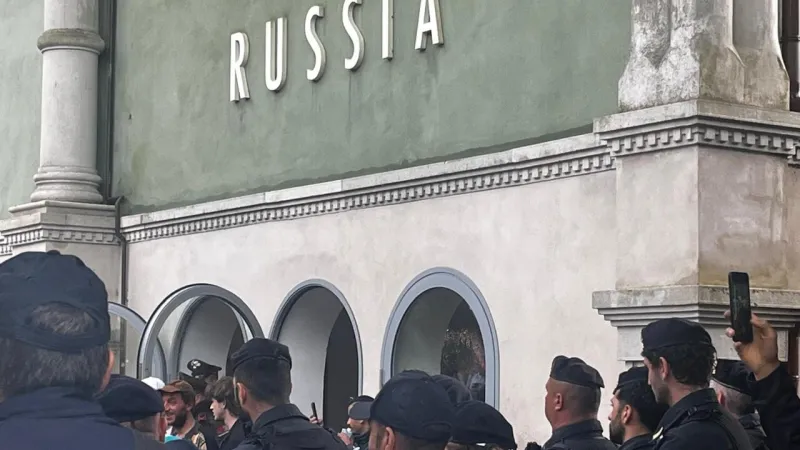
Brussels, Belgium - The European Union has frozen 2 million euros in financial support for the internationally renowned Venice Biennale, a decision stemming from allegations that the cultural institution did not adequately uphold the bloc's core democratic values. This abrupt withdrawal of funds, confirmed by EU officials this week, has ignited immediate political outrage within Italy, particularly from the Lega party, which vehemently defends the Biennale's integrity.
The European Commission, responsible for allocating such funds, stated that cultural initiatives receiving EU backing must unequivocally reflect and promote the Union's foundational principles. "Culture in Europe promotes democratic values," an official communique emphasized, underscoring the stringent criteria applied to all projects benefiting from European taxpayers' money. This move serves as a stark reminder of Brussels' commitment to integrating political tenets with cultural patronage.
For decades, the Venice Biennale has stood as a global beacon of contemporary art, architecture, cinema, and dance, attracting millions of visitors and showcasing avant-garde expressions from across the globe. Its prestigious pavilions and exhibitions are seen as vital platforms for artistic freedom and cross-cultural dialogue, making the EU's decision a significant blow to its operational budget and public image.
While specific instances leading to the withdrawal remain broadly unarticulated by the Commission, sources close to the negotiations suggest concerns revolved around the curatorial direction or specific exhibits perceived as contradicting the EU's commitment to pluralism, human rights, or democratic discourse. The implications of such a broad interpretation of "democratic values" in cultural funding are now under intense scrutiny.
The Italian political landscape immediately reacted, with the Lega party leading the charge against what it describes as unwarranted interference. A Lega spokesperson expressed profound "anger" at the decision, characterizing it as an attack on Italian cultural sovereignty and an example of bureaucratic overreach from Brussels. "The Biennale is a pillar of global culture, not a political pawn," the spokesperson stated, criticizing the EU's imposition of ideological tests on artistic expression.
This incident reignites long-standing debates within the Union about the balance between cultural autonomy and the political objectives of funding bodies. Critics argue that such financial leverage could lead to self-censorship and stifle provocative, necessary artistic dialogue, while proponents insist on the accountability of public funds to shared European ideals.
The 2 million euro shortfall represents a substantial portion of the Biennale's operational budget, potentially impacting future exhibitions, artist grants, and educational programs. Organizers now face the challenge of securing alternative funding or scaling back planned activities, raising questions about the event's long-term financial stability in the wake of this unprecedented action.
Observers of EU policy suggest this decision is part of a broader strategy by Brussels to reinforce its normative power, particularly in countries where rule of law or democratic principles are perceived to be under pressure. The message, analysts contend, is clear: adherence to democratic values is not negotiable, even in the realm of art and culture.
The controversy also highlights the complex relationship between national identity and supranational governance within the EU. Italian cultural institutions, often seen as embodying the nation's rich heritage, can become flashpoints when their funding is tied to pan-European criteria, leading to accusations of cultural imperialism or undue influence.
Further discussions between Italian authorities and the European Commission are anticipated as both sides seek to clarify the parameters of cultural funding and the precise reasons behind this punitive measure. The outcome could set a precedent for future EU funding allocations to cultural bodies across the continent, shaping the landscape of European art and its relationship with political governance.