 Angel Doris
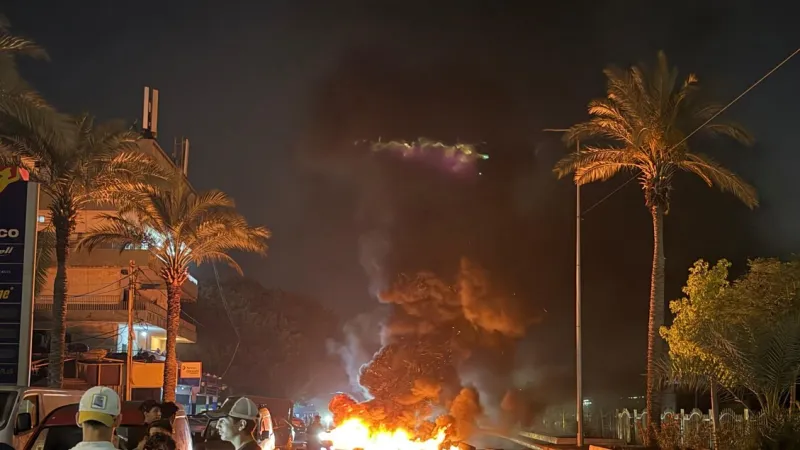
Beirut erupted in significant unrest as supporters of Hezbollah took to the streets, vehemently protesting a recently brokered agreement between Lebanon and Israel. The Lebanese army swiftly intervened to contain the escalating demonstrations, while reports simultaneously confirmed new military raids in the southern city of Nabatiye. The protests underscored deep-seated divisions within Lebanon regarding its foreign policy and relations with its southern neighbor.
The spontaneous demonstrations, primarily concentrated in Hezbollah strongholds within the Lebanese capital, saw protestors burn tires and block major thoroughfares. Chants condemning the agreement as a capitulation to Israeli demands reverberated through the streets, reflecting the militant group's steadfast opposition to any normalization with the Jewish state.
Hezbollah, a powerful political party and armed group in Lebanon, has consistently viewed Israel as an existential enemy. Its leadership swiftly condemned the agreement, reportedly viewing it as a humiliation for Lebanon. This stance aligns with the group's long-standing ideology and its role as a key player in the regional "Axis of Resistance."
The agreement itself, details of which remain contentious for segments of the Lebanese populace, has been framed by some as a necessary step for Lebanon to leverage its offshore energy resources and alleviate its severe economic crisis. However, Hezbollah and its allies have painted it as a betrayal of national sovereignty and a dangerous precedent.
The Lebanese army deployed substantial forces to manage the protests, aiming to prevent further escalation and maintain public order. Security forces established checkpoints and used crowd control measures to disperse gatherings, highlighting the delicate balance the military must strike between upholding state authority and managing popular discontent.
Simultaneously, the southern Lebanese city of Nabatiye became the focus of new military raids. While specifics regarding the nature and targets of these operations were not immediately clear, their occurrence amidst the Beirut unrest suggests a heightened state of alert and operational activity in a region often on the front lines of conflict with Israel.
This latest flare-up of tensions underscores the persistent volatility in the Middle East. The delicate political landscape of Lebanon, already grappling with profound economic collapse, governmental instability, and the lingering aftermath of the Beirut port explosion, is particularly susceptible to such internal and external pressures.
Hezbollah has historically played a dual role in Lebanon, acting as both a political force within the government and a formidable non-state military actor. Its influence often dictates the direction of national policy, especially concerning matters of national security and foreign relations. The group's strong reaction to the Israel agreement signals its intent to maintain its hardline position.
International observers are closely monitoring the situation, concerned that internal strife in Lebanon could further destabilize a region already fraught with complexities. The implications of Hezbollah's strong opposition could complicate the implementation of the agreement and potentially reignite broader cross-border tensions.
The political ramifications for Lebanon's fragile government are considerable. Any agreement perceived as undermining national pride or sovereignty by influential groups like Hezbollah can erode public trust and exacerbate political gridlock, hindering crucial reforms needed for economic recovery.
For more context on Hezbollah's perspective, readers may refer to previous reporting: Hezbollah Condemns Israel-Lebanon Deal As Humiliating Amidst Regional Volatility. The group's consistent message has been one of defiance against perceived Israeli aggression and encroachment.
The events in Beirut and Nabatiye serve as a stark reminder of the enduring sensitivities surrounding the Israel-Lebanon border and the potent influence of non-state actors in shaping regional dynamics. The immediate future for Lebanese stability appears uncertain as the repercussions of the agreement continue to unfold.
The commitment of the Lebanese military to enforce order reflects the government's efforts to project control amidst internal dissent. However, the deep roots of Hezbollah's support base mean that containing public anger over such a contentious issue remains a significant challenge for authorities.
This situation further complicates the broader regional diplomatic efforts. While some nations have advocated for more normalized relations between Israel and its neighbors, the events in Beirut illustrate the formidable obstacles posed by entrenched political and ideological opposition. The path toward lasting peace in the region continues to be arduous and fraught with resistance.