 Stefani Rindus
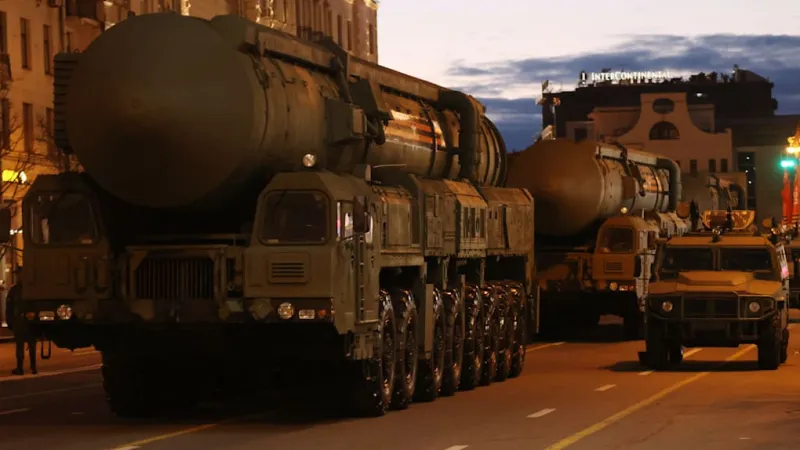
Washington - The global landscape of nuclear armaments is witnessing a paradoxical and concerning shift, as the number of deployable nuclear weapons has begun to climb again, even as overall stockpiles decrease. This unsettling trend, identified by leading researchers, signals a dangerous new dynamic in the international arms race, prompting urgent warnings from security experts worldwide.
For years, international efforts focused on reducing the total number of nuclear warheads held by the world's atomic powers. While the aggregate figures have indeed shown a decline, a critical analysis reveals that the quantity of fully operational nuclear weapons, ready for immediate use, is expanding. This discrepancy underscores a strategic re-evaluation by nuclear states, prioritizing readiness and responsiveness over sheer numerical advantage.
Experts who have closely monitored these developments express profound concern about what they term a growing nuclear dynamic. This involves a dangerous interplay of modernizing arsenals, developing new delivery systems, and a perceived breakdown in arms control agreements that once provided a measure of stability. The implications for international security are significant and potentially destabilizing.
The rise in deployable nuclear weapons suggests a shift from deterrence through massive retaliation to a more agile, potentially preemptive posture. Such a strategic pivot intensifies the risks of miscalculation and accidental escalation, particularly in an environment already fraught with geopolitical tensions. Nations possessing nuclear capabilities appear to be enhancing their operational readiness, signaling a heightened state of alert.
This resurgence in operational warheads is not occurring in a vacuum. It aligns with a broader period of global instability and renewed great power competition. Regional conflicts, such as the ongoing tensions in the Middle East, serve as stark reminders of how quickly military escalations can occur, making the proliferation and readiness of such devastating weapons even more perilous. Recent reports, for instance, of Iran Missiles Striking Israel and IDF Jets Scrambling Towards Tehran Amid Escalation, underscore a volatile geopolitical backdrop. In response to such events, President Trump has Demanded Restraint Amid Escalation, highlighting the urgent need for de-escalation.
Analysts point to several factors contributing to this trend, including the perceived threats from rival powers, technological advancements making nuclear weapons more precise and flexible, and a general erosion of trust among major nuclear states. The modernization programs undertaken by various nuclear powers, including the United States, Russia, and China, are contributing substantially to the increase in operational capacity.
The breakdown of key arms control treaties has further exacerbated the situation. Without robust mechanisms for verification and transparency, nations are less constrained in their nuclear development, fostering an environment ripe for an unbridled arms race. This absence of formal limitations encourages a more opaque and less predictable nuclear landscape.
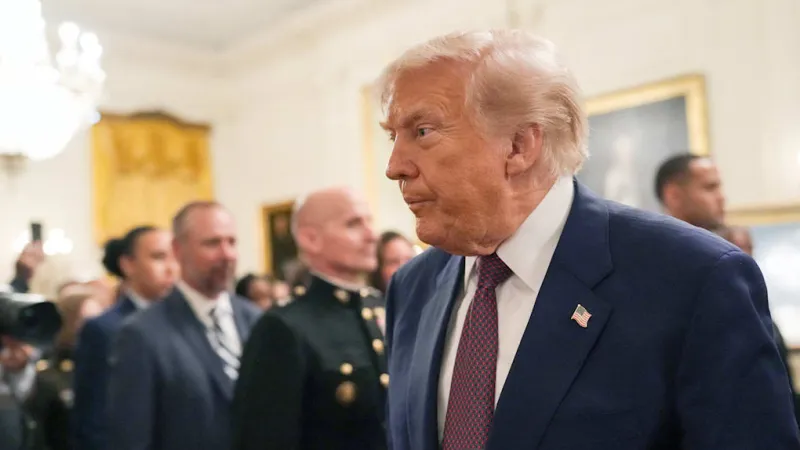
President Donald Trump has consistently advocated for a strong national defense, including modernizing the United States nuclear arsenal. While proponents argue that such modernization is necessary for credible deterrence against evolving threats, critics warn that it can inadvertently provoke similar responses from other nuclear powers, perpetuating a dangerous cycle.
The international community faces an urgent imperative to address this concerning trend. Diplomatic efforts aimed at reviving arms control dialogues and establishing new frameworks for strategic stability are paramount. The focus must shift from merely reducing total stockpiles to limiting deployable warheads and enhancing transparency regarding operational status.
Ultimately, the trajectory of deployable nuclear weapons presents a critical challenge to global peace. Failing to reverse this dangerous dynamic risks ushering in an era of heightened nuclear insecurity, where the specter of conflict looms larger than at any point since the Cold War. Global leaders must prioritize de-escalation and verifiable disarmament to safeguard the future.
This pattern demands immediate attention from policymakers and international organizations. The potential for a new arms race, driven by an increase in readily available nuclear capabilities, could unravel decades of disarmament efforts and place humanity on a more precarious footing. Continued vigilance and proactive diplomacy are essential to mitigate these growing risks.
Effective communication channels between nuclear states are also crucial to prevent misunderstandings and prevent accidental escalation. Initiatives like enhanced confidence-building measures and regular high-level dialogues could play a vital role in fostering greater predictability and reducing tensions in this precarious environment.
The global community, therefore, stands at a pivotal juncture. The choices made today regarding nuclear arms control and strategic stability will define the security landscape for generations to come. It is a moment that calls for both resolve and prudence to navigate the escalating risks posed by increasing operational nuclear weapons.