Gabriella
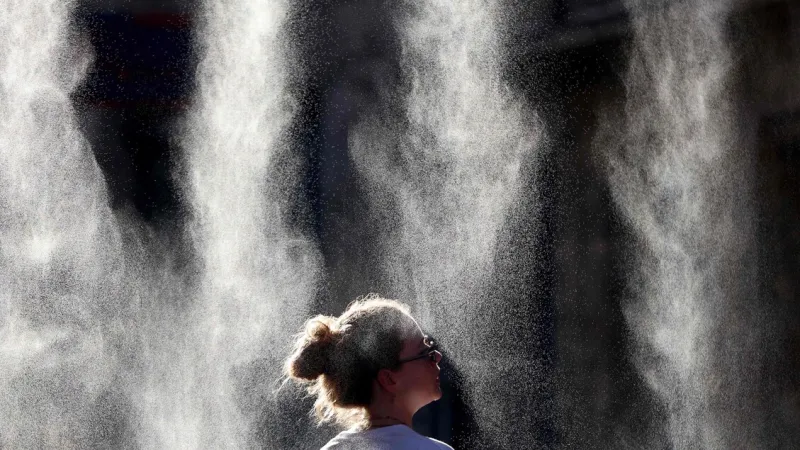
PARIS, France – A devastating heatwave gripping Europe has claimed the life of an 18-month-old child in France, while simultaneously overwhelming hospital systems across the United Kingdom and prompting red alert declarations in 18 Italian cities. The unprecedented meteorological event, characterized by record-high temperatures, has triggered a continent-wide health crisis, pushing emergency services to their operational limits.
The tragic death of the infant, whose identity remains protected, has cast a somber shadow over efforts to manage the extreme conditions. Authorities in France have issued severe warnings, urging citizens to remain vigilant and take all necessary precautions, particularly for the most vulnerable members of society.
Across the English Channel, National Health Service hospitals in the United Kingdom are reportedly in a state of operational paralysis. Reports indicate a significant surge in emergency room admissions, predominantly for heatstroke, dehydration, and exacerbated chronic conditions among the elderly and very young.
Doctors and nurses describe corridors overflowing with patients, and critical resources being stretched thin. Healthcare workers face immense pressure as they grapple with the sheer volume of cases, many of which are directly attributable to the prolonged exposure to unrelenting heat.
Meanwhile, in Italy, the Ministry of Health has elevated the alert level to red for 18 major urban centers, including Rome, Milan, and Florence. This designation signifies an emergency situation with potential health risks for the entire population, not just the most susceptible groups.
Italian pronto soccorso, or emergency rooms, are experiencing a dramatic increase in patient traffic. Medical personnel are working tirelessly to attend to the influx of individuals presenting with symptoms ranging from severe headaches and dizziness to critical organ dysfunction caused by hyperthermia.
Meteorologists attribute the current European heatwave to a persistent high-pressure system, often referred to as an anticyclone, which has settled over the continent. This atmospheric phenomenon traps hot air, leading to prolonged periods of exceptionally high temperatures and minimal cooling during nighttime hours.
Experts from the World Meteorological Organization indicate that such extreme weather events are becoming more frequent and intense, a trend consistent with projections related to climate change. The current conditions serve as a stark reminder of the global challenges posed by a warming planet.
Governments across Europe have activated emergency protocols, distributing public health advisories through various media channels. These warnings emphasize hydration, avoiding strenuous outdoor activities during peak heat hours, and seeking shelter in air-conditioned environments or designated cooling centers.
The pervasive heat has disrupted daily life significantly. Many outdoor events have been cancelled or postponed, transportation networks face potential strain from buckling infrastructure, and productivity in various sectors is declining as workers struggle with the stifling conditions.
Germany, too, has grappled with the devastating impacts of extreme temperatures earlier this season, with reports of "Extreme 41-Degree Heat: Germans Grapple with Strain, Event Cancellations" illustrating the widespread nature of this European heatwave. This recurring pattern underscores the urgent need for robust adaptation strategies across the continent.
Public health officials are urging long-term planning and investment in resilient infrastructure to better withstand future heatwaves. This includes improving urban green spaces, designing heat-resistant buildings, and expanding public access to cooling facilities.
The elderly, infants, and individuals with pre-existing medical conditions remain particularly vulnerable. Care homes and community organizations are intensifying efforts to check on residents and provide assistance, highlighting the community-wide response required during such crises.
Emergency services, including paramedics and fire departments, are managing increased call volumes related to heat-induced medical emergencies and even small-scale fires sparked by arid conditions. Their capacity is being tested unprecedentedly.
Beyond immediate health concerns, the heatwave carries economic repercussions, impacting agricultural yields, tourism, and energy consumption as demand for air conditioning soars. These challenges add another layer of complexity to the continent's response.
As Europe collectively endures this intense period, the focus remains on protecting human life and health. The current crisis reinforces the critical importance of public awareness and proactive measures to mitigate the severe consequences of extreme weather events.