 Debby Wijaya
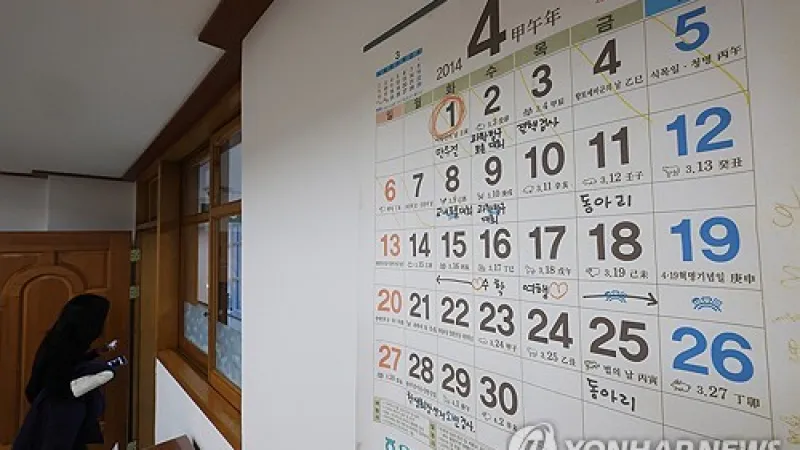
SEOUL, Nov. 5, 2026 (Yonhap) – The tragic 2014 Sewol ferry sinking archive and a collection of ancient Korean cookbooks have been officially added to the UNESCO Memory of the World Register for Asia and the Pacific (MOWCAP), marking a significant international recognition of South Koreas profound documentary heritage. This decision, announced today, highlights the global importance of preserving both the memory of a national tragedy and centuries of culinary tradition for future generations.
The Sewol ferry disaster, which occurred on April 16, 2014, claimed the lives of 304 people, primarily high school students on a field trip. The archived materials encompass a vast array of documents, including victim testimonies, official reports, public records, and media coverage, offering a comprehensive record of the events leading up to, during, and after the sinking. This inclusion aims to ensure that the lessons from this devastating incident are never forgotten and that the voices of the victims and survivors resonate globally.
Concurrently, the ancient cookbooks represent a different yet equally vital facet of Korean history. These rare texts, some dating back several centuries, provide invaluable insights into traditional Korean cuisine, dietary practices, and cultural rituals. They detail recipes, ingredient sourcing, and cooking methods, illustrating the evolution of Koreas gastronomic identity through time. This culinary heritage is crucial for understanding the nations social and economic past.
The Memory of the World Register, established by UNESCO in 1992, seeks to safeguard and promote the worlds documentary heritage. The MOWCAP regional program specifically focuses on archives and collections from the Asia-Pacific region that possess outstanding universal value. Inclusion in this prestigious list brings international visibility and encourages preservation efforts for these irreplaceable resources.
The Sewol ferry archive is not merely a collection of data; it serves as a powerful testament to collective memory and the pursuit of truth and accountability. Its meticulous compilation by various civic groups, bereaved families, and government agencies underscores a societal commitment to remember those lost and to prevent similar tragedies. The archive functions as a critical resource for historical research, education, and humanitarian reflection.
Similarly, the ancient cookbooks transcend their culinary utility, offering a unique window into societal structure, class distinctions, and even medicinal knowledge of past eras. They reveal how food was intertwined with daily life, celebrations, and philosophical beliefs, presenting a holistic view of historical Korean culture. Their preservation is essential for scholars studying anthropology, history, and ethnography.
South Korea already boasts several other entries on the UNESCO Memory of the World Register, reflecting its rich cultural and historical legacy. Notable listings include the Hunminjeongeum manuscript, the Annals of the Joseon Dynasty, and the Uigwe royal protocols. These additions further solidify Koreas reputation as a nation deeply committed to the preservation and sharing of its unique heritage with the global community.
A MOWCAP spokesperson emphasized the dual significance of the recent additions. "The Sewol archive ensures that the memory of human suffering and the quest for justice are forever inscribed in our collective consciousness," the spokesperson stated. "Meanwhile, the ancient cookbooks offer a vibrant record of human ingenuity and cultural evolution through the most fundamental act of sustenance. Both are invaluable."
This international recognition is expected to galvanize further efforts within South Korea to preserve, digitize, and make these archives accessible to a wider audience. It also encourages educational initiatives that utilize these resources to foster a deeper understanding of Koreas history and societal values among its citizens and international observers alike.
The decision also underscores a global trend towards recognizing diverse forms of documentary heritage, moving beyond purely state-centric or artistic records to include those that document social movements, human rights issues, and everyday life. This expanded scope ensures a more inclusive and comprehensive representation of human history.
For the families of the Sewol victims, the UNESCO listing provides a measure of solace and validation that their struggle for remembrance has achieved international recognition. For cultural historians, the cookbooks offer new avenues for research into the intricacies of Korean society and its evolution. This dual recognition thus serves both a solemn commemorative purpose and a vibrant academic one, enriching the global understanding of Korean heritage.