 Chandra Wijayanto
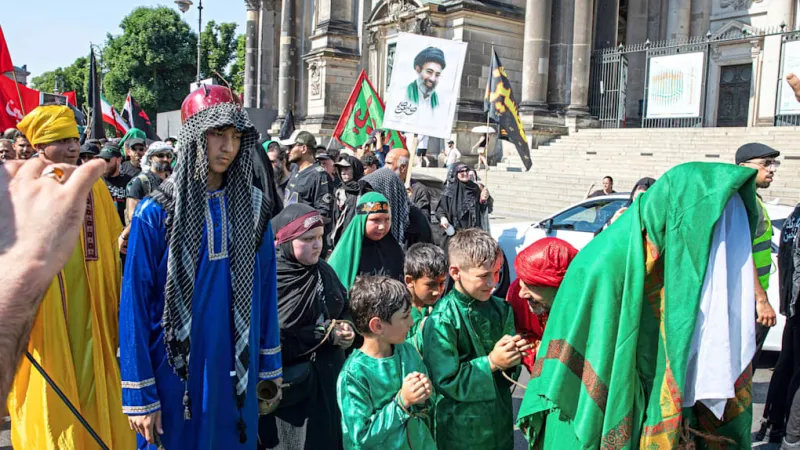
Berlin police abruptly halted an Ashura commemoration march by Shia Muslims in the German capital amid widespread outrage over the depiction of children bound by ropes and concerns about their welfare in near 40-degree Celsius heat. The intervention followed sharp criticism from Berlin's Interior Senator, who deemed the instrumentalization of children unacceptable.
The controversial display, part of the annual Ashura observance, involved children symbolically tied with ropes, an act that city authorities and child welfare advocates swiftly denounced.
Sources indicate the decision to intervene stemmed from graphic images circulating social media, which depicted young participants in apparent distress under the intense summer sun.
Police officers moved to disperse the procession, citing public order concerns and the immediate welfare of the children present, particularly given temperatures approaching 40 degrees Celsius (104 degrees Fahrenheit).
Berlin's Interior Senator issued a strong rebuke, stating publicly, "The instrumentalization of children for any purpose, especially in such a visually impactful and potentially harmful manner, is absolutely unacceptable."
The Ashura commemoration, observed globally by Shia Muslims, marks the martyrdom of Imam Hussein, a grandson of the Prophet Muhammad. While various forms of remembrance exist, the portrayal witnessed in Berlin sparked particular controversy due to its specific depiction of children.
Observers noted the particular vulnerability of young participants, some appearing to be toddlers, exposed to the scorching heat for prolonged periods during the procession. This aligns with broader health warnings during Europe's ongoing heatwave.
Child protection laws in Germany are stringent, emphasizing the paramount importance of a child's best interests in all public and private settings. The incident is expected to prompt further review by relevant authorities.
The police intervention ensured the children were removed from the procession and offered assistance, though details regarding parental response or any subsequent legal actions against organizers remain unclear.
Critics argue that such displays, regardless of religious or cultural intent, cross a line into potential psychological or physical harm, especially when children are unable to provide informed consent.
The incident reignites discussions in Germany about the boundaries of religious freedom and public expression, particularly when sensitive issues like child welfare are involved.
Officials confirmed that investigations into the specifics of the march organization and the involvement of children are ongoing, with potential consequences for those responsible for planning the controversial depiction.
The Berlin event stands as a stark reminder of the complexities authorities face in balancing community rights with fundamental ethical considerations and legal mandates for child protection.