 Dodi Irawan
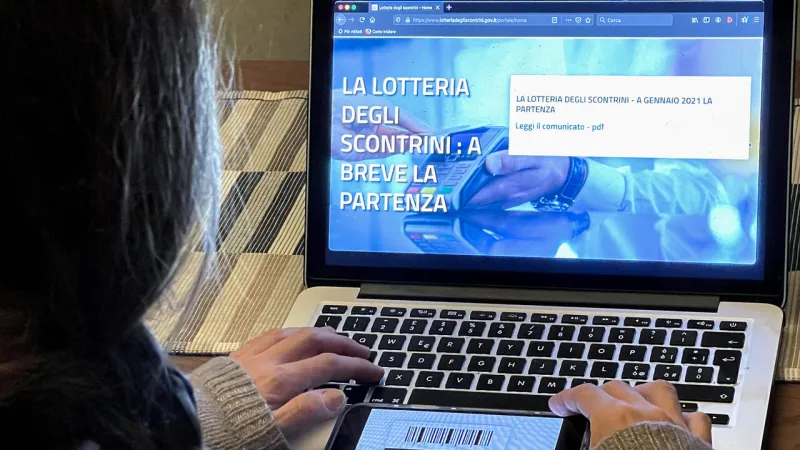
Grosseto, Italy – An ordinary 46-euro payment for a haircut recently transformed into an extraordinary 100,000-euro windfall for a fortunate local resident, courtesy of the Italian Agenzia delle Entrate's often-overlooked national receipt lottery. The unexpected jackpot has generated considerable buzz within the Tuscan city, highlighting the lucrative potential of a government initiative designed to combat tax evasion.
The identity of the lucky winner remains undisclosed, a standard practice for such prize disbursements. However, details emerging from the Agenzia delle Entrate confirm the substantial sum was secured through a routine transaction, emphasizing the lottery's accessible nature and random nature of the prize selection.
Launched with the ambitious goal of incentivizing consumers to demand fiscal receipts, thereby aiding the fight against undeclared income and value-added tax evasion, the “Lotteria degli Scontrini,” or receipt lottery, allows citizens to participate by simply showing their health card or fiscal code at the point of sale. Each purchase generates digital tickets for draws.
Initially met with lukewarm enthusiasm and, as local reports suggest, seemingly forgotten by many, the receipt lottery has periodically resurfaced in public consciousness with significant wins. This latest incident in Grosseto serves as a powerful reminder of its active operation and the tangible rewards it offers.
Consumers over 18 residing in Italy who make purchases totaling at least one euro using traceable payment methods—such as debit cards, credit cards, or payment applications—are eligible. Retailers electronically send the transaction data to the revenue agency, automatically entering the customer into the various prize draws.
The “Lotteria degli Scontrini” features weekly, monthly, and annual draws, offering prizes ranging from thousands to millions of euros. Notably, both consumers and participating merchants can win, creating a dual incentive structure that aims to foster a culture of transparency in retail transactions across the nation.
The underlying objective of the scheme extends beyond mere prize distribution. The Italian government, long grappling with persistent rates of tax evasion, views the receipt lottery as a novel instrument to encourage citizens to actively participate in the nation's fiscal health. By shifting transactions from cash to traceable electronic payments, the system creates a digital paper trail for tax authorities.
This initiative forms part of a broader strategy to modernize Italy's financial landscape and boost revenue collection. Similar programs have been implemented in various forms across Europe and beyond, each seeking to curb the shadow economy and strengthen tax compliance among businesses and consumers alike.
While the lottery's overall impact on aggregated tax evasion statistics is a subject of ongoing analysis by economists and policy makers, individual success stories like the one in Grosseto undeniably pique public interest and encourage greater participation. Such wins serve as potent advertisements for the system's potential.
Beyond the direct financial benefit to the winner, the widespread attention garnered by such an event can subtly influence consumer behavior. People might become more diligent in requesting receipts and opting for digital payments, which in turn provides more accurate data for businesses and the national tax authority, benefiting the broader economy.
Critics initially questioned the efficacy and administrative cost of implementing and maintaining the receipt lottery. However, proponents argue that even incremental shifts in consumer habits towards documented transactions can yield substantial long-term benefits for public coffers, outweighing initial expenditures.
The Agenzia delle Entrate continues to promote the receipt lottery as a simple, no-cost way for citizens to potentially gain significant financial rewards while contributing to fiscal transparency. With more draws scheduled regularly, the hope persists that more forgotten receipts will turn into memorable windfalls for lucky participants.
A standard retail receipt, like the one from a 46-euro haircut, became a winning ticket for a Grosseto resident in Italy's national receipt lottery, illustrating the program's unexpected benefits.