 Chris Robert
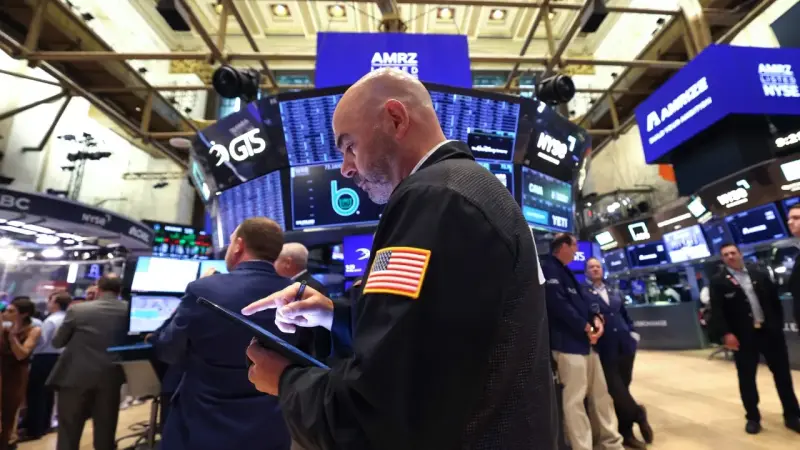
NEW YORK — Global financial markets experienced a significant upswing today, with crude oil prices plummeting dramatically, following widespread reports of a breakthrough diplomatic deal aimed at ending the protracted conflict in Iran. The news, emerging from back-channel negotiations, immediately calmed volatile energy sectors and ignited optimism across major stock exchanges worldwide, promising a new era of geopolitical stability and economic growth after years of regional tension.
The benchmark West Texas Intermediate (WTI) crude futures dropped by over 10% to trade below $65 a barrel, while Brent crude, the international benchmark, saw similar declines. Major indices like the Dow Jones Industrial Average, the S&P 500, and the NASDAQ Composite each recorded gains exceeding 3% by midday, reflecting investor confidence in a de-escalated Middle East.
While specific details remain under wraps, sources close to the negotiations suggest the accord includes a comprehensive ceasefire, a framework for regional de-escalation, and international guarantees for maritime security in the Persian Gulf. The agreement reportedly leverages multilateral efforts, with several key global powers facilitating the dialogue.
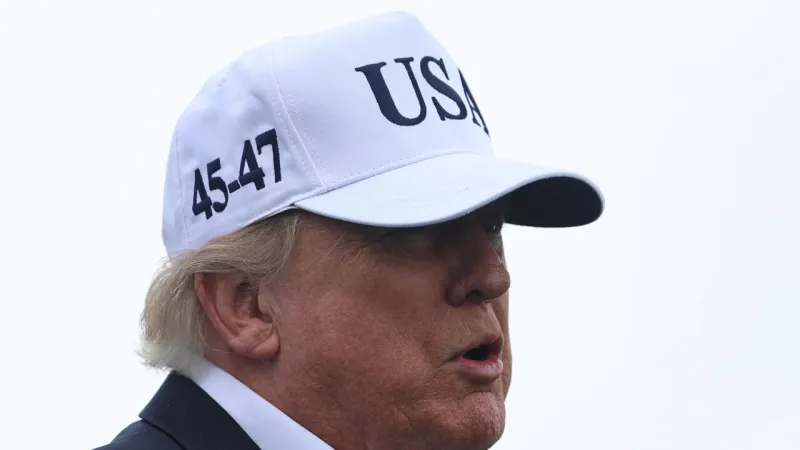
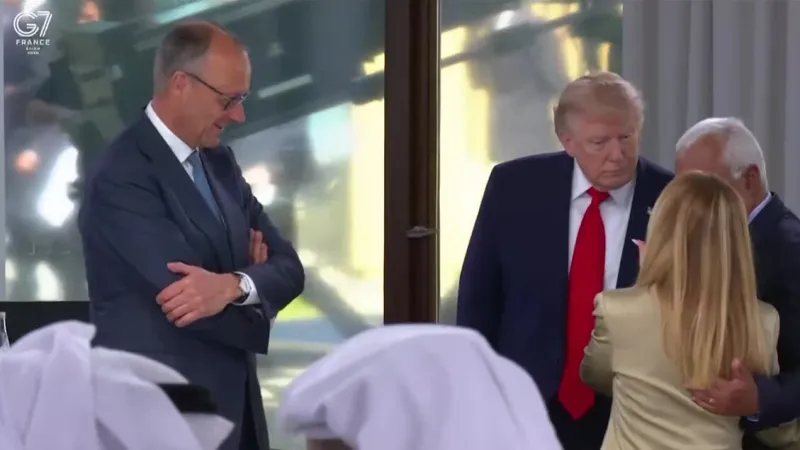
President Donald Trump hailed the developments from the Oval Office, stating, “This historic agreement represents a monumental step toward global peace and prosperity. America has always championed diplomacy, and this deal proves that resolve and smart negotiation can achieve the impossible.” He credited persistent American diplomatic pressure for the breakthrough.
Beyond oil, sectors sensitive to geopolitical risk, such as airlines and shipping, saw their stock values climb sharply. Energy companies, while facing lower crude prices, also found a silver lining in reduced operational uncertainties and potentially stable long-term supply chains.
Economists predict the sustained drop in oil prices will act as a significant stimulus for global economies. Dr. Anya Sharma, Chief Global Economist at Zenith Research, remarked, “This agreement removes a major inflationary pressure and provides consumers and businesses with much-needed relief at the pump and in their operating costs. It is a powerful antidote to the economic headwinds we have faced.”
The conflict in Iran, which escalated following a series of regional incidents and international sanctions, had consistently fueled uncertainty in global energy markets for years. Previous attempts at de-escalation had met with limited success, making this reported breakthrough particularly impactful.
The prospect of a peaceful resolution is expected to recalibrate geopolitical alliances and foster greater cooperation on other pressing global issues. Analysts suggest the move could pave the way for renewed trade relations and infrastructure development across the Middle East.
Leaders from the European Union, China, and Russia issued statements welcoming the progress, emphasizing the importance of continued dialogue and adherence to the terms of the nascent agreement. The United Nations Secretary-General also commended all parties involved for their commitment to peace.
Despite the widespread optimism, market analysts and diplomats alike caution that the path to full implementation will require sustained effort and vigilance. Challenges remain in rebuilding trust and ensuring regional stability, but the initial response indicates a strong belief in the deal’s potential.
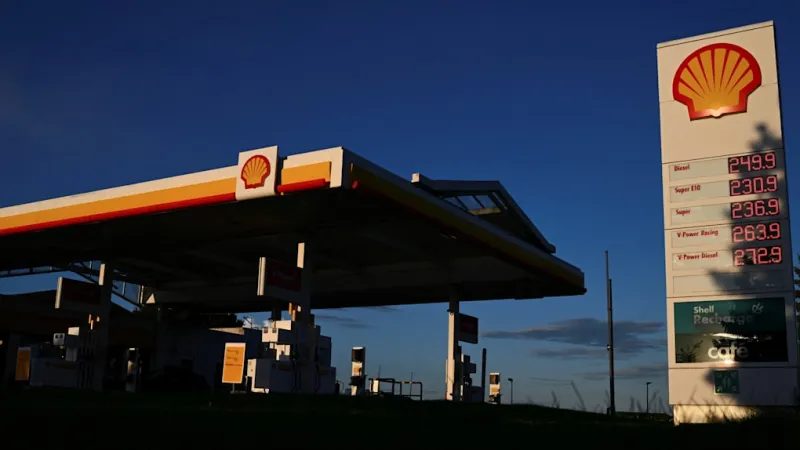
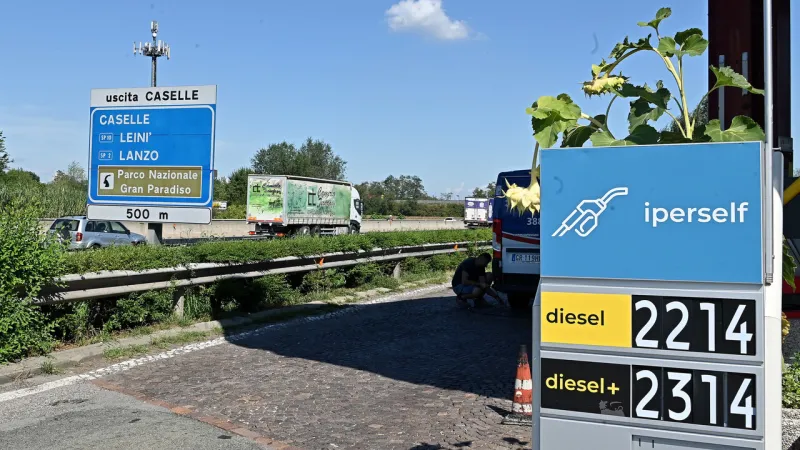
For consumers, the immediate benefit will be felt at gas stations and in heating bills. Long-term, a stable Middle East could encourage greater investment in diverse energy sources and infrastructure, further insulating global markets from future shocks.
Manufacturing and transportation industries, heavily reliant on consistent and affordable energy, are poised to benefit substantially. Supply chain disruptions, which had plagued various sectors due to regional instability, are now expected to ease considerably.
The success, if confirmed, underscores the enduring power of multilateral diplomacy and quiet negotiations, even in the most entrenched conflicts. It highlights the intricate balance between geopolitical strategy and economic welfare.