 Edward DP Situmorang

WASHINGTON — Tensions escalated in the Middle East this week as Iran officially accused the United States of a “grave violation” of an established ceasefire, a claim that comes amidst President Donald Trump’s renewed push for a “good deal or no deal” approach to Iranian nuclear negotiations.
The accusation, emanating from Tehran, specifically points to recent U.S. military maneuvers and economic pressures as direct breaches of the understanding that has maintained a fragile calm in the region. The Iranian Foreign Ministry delivered a formal diplomatic protest to the Swiss Embassy, which represents U.S. interests in Iran.
President Trump, speaking from the Oval Office, reaffirmed his administration's stance, emphasizing that any future accord with Iran must be significantly more robust and comprehensive than previous agreements, covering not only nuclear capabilities but also ballistic missile programs and regional destabilization efforts.
“We are looking for a good deal, a truly good deal that protects American interests and our allies,” President Trump stated. “If we can’t get that, then we will have no deal at all. The old ways of doing business are over.” His comments signal an unyielding position from Washington.
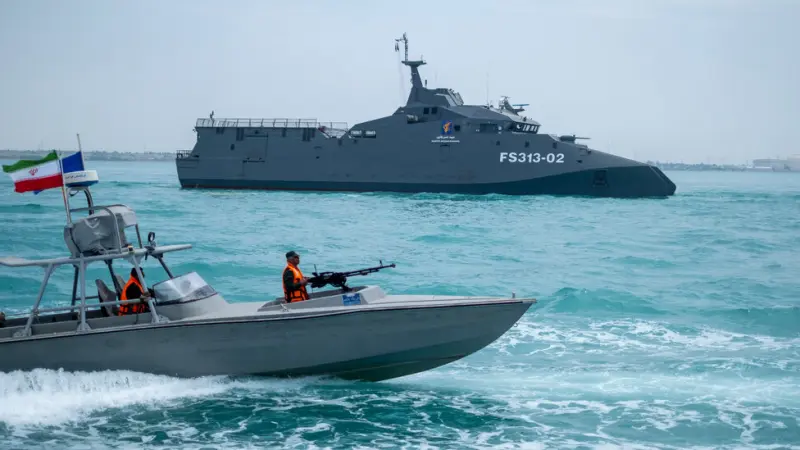
The alleged ceasefire violation reportedly centers on recent U.S. naval exercises in the Persian Gulf and the intensification of sanctions targeting specific sectors of the Iranian economy, according to state-run Iranian media. Iranian officials contend these actions undermine trust and directly contravene the spirit of de-escalation.
Analysts note the delicate balance of power in the region, where any perceived military or economic aggression could unravel years of painstaking diplomatic efforts to prevent wider conflict. The current dynamic places significant pressure on both sides to clearly define the parameters of their engagements.
White House Press Secretary Sarah Sanders, in a press briefing, rejected Iran’s characterization of U.S. activities. She maintained that all American military operations are defensive in nature and fully compliant with international law, asserting that sanctions are a response to Iran’s ongoing support for terrorist organizations and human rights abuses.
“The United States is committed to regional stability, but we will not stand idly by while Iran continues its malign behavior,” Sanders told reporters. “Our actions are designed to ensure security, not provoke conflict.”
The dispute reignites fears of a potential military confrontation, particularly as diplomatic channels appear strained. International observers are calling for restraint from both sides, urging dialogue to prevent a further deterioration of relations.
This latest development underscores the deep chasm that continues to exist between Washington and Tehran, making President Trump’s quest for a “good deal” a formidable challenge. The international community watches closely, hoping for a peaceful resolution to the prolonged standoff over Iran’s nuclear ambitions and regional conduct.
The core of President Trump’s foreign policy towards Iran has consistently revolved around renegotiating the terms of the previous nuclear accord, which he exited earlier in his presidency. He has often criticized it as fundamentally flawed and insufficient to curb Iran's broader strategic threats.
Iran, for its part, has consistently denied pursuing nuclear weapons, maintaining that its nuclear program is solely for peaceful energy generation and medical research. However, its continued development of advanced centrifuges and enrichment capabilities remains a significant concern for the U.S. and its allies.
The accusation of a ceasefire violation could complicate any future attempts at direct negotiations. Building trust, already scarce, becomes even more challenging when one party perceives the other as actively undermining existing agreements or understandings.
Regional allies of the United States, including Saudi Arabia and Israel, have largely supported President Trump’s firm stance against Iran. They view Iran’s regional influence and missile program as direct threats to their own security.
Conversely, some European nations have expressed concern over the escalating rhetoric, advocating for a more nuanced diplomatic approach to prevent the total collapse of the fragile international framework designed to manage the Iranian nuclear issue.
The coming weeks will be critical in determining whether this latest accusation further entrenches the two nations in a hostile stalemate or if it can serve as a catalyst for renewed, albeit difficult, diplomatic engagement. The global implications of either outcome are profound.