 Edward DP Situmorang
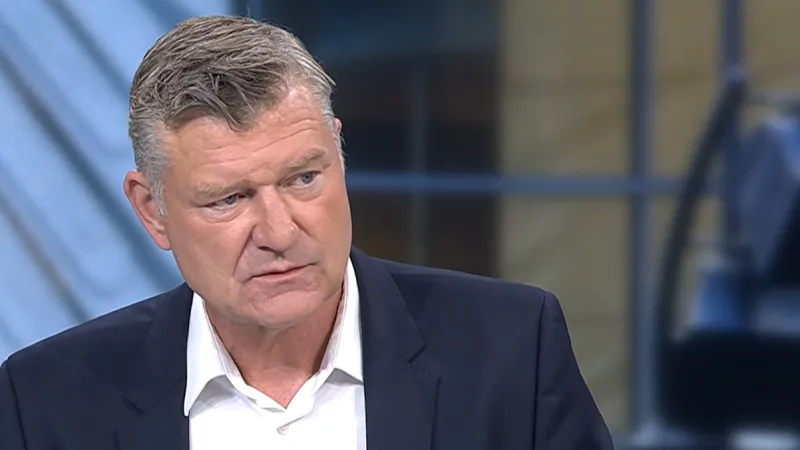
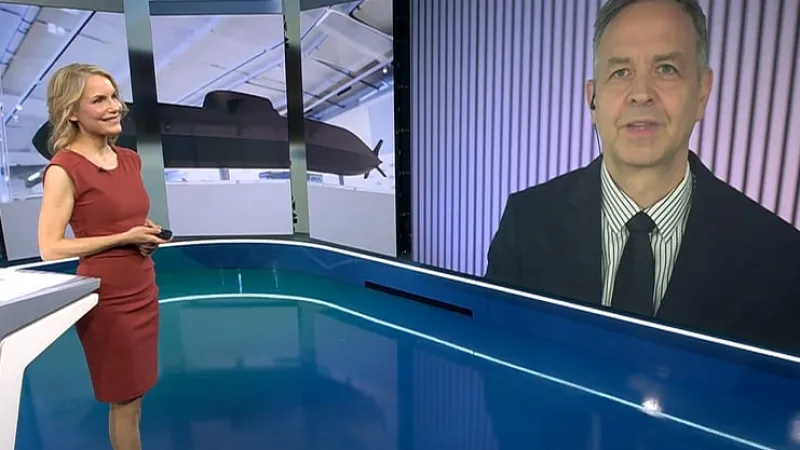
BERLIN – The political landscape within Germany's Christian Democratic Union (CDU) faces considerable realignment following the recent resignation of Jens Spahn as the Unions parliamentary group leader. This pivotal departure has intensified focus on Friedrich Merz, a prominent figure within the party, and his perceived understanding of internal sentiment and strategic direction. Thorsten Jungholt, a seasoned WELT political correspondent, offered a detailed analysis of the immediate consequences for the party's power structure and the potential successors to Spahn's influential role.
Spahn's exit, confirmed this week, has sent ripples through the German Bundestag, challenging the established order within the CDU/CSU parliamentary bloc. His position, a critical one for managing legislative strategy and internal party cohesion, now lies vacant, prompting intense speculation about the leadership void and its broader implications for the conservative alliance.
Friedrich Merz, often seen as a standard-bearer for the CDU's more traditional wing, finds himself once again at the nexus of party discourse. His past bids for party leadership and his outspoken nature position him uniquely to either consolidate influence or face renewed skepticism regarding his capacity to unite disparate party factions.
Jungholt underscored the deliberate nature of Merz's recent public statements, suggesting a calculated strategy. “I believe that Merz already has something planned, otherwise he would not formulate it so openly,” Jungholt stated, indicating that Merz's current actions are not merely reactive but part of a larger political agenda.
This unfolding scenario places the CDU at a critical juncture, demanding a clear pathway forward amidst internal jostling for power. The selection of a new parliamentary group leader will undoubtedly reflect the shifting alliances and ideological currents within the party, directly influencing its legislative effectiveness and public image.
The immediate impact extends beyond individual ambitions, affecting the stability of the entire Union parliamentary group. A cohesive and unified leadership is paramount for effectively opposing rival parties and advancing the CDU's policy agenda in the Bundestag, particularly in the run-up to future federal elections.
Succession plans for Spahn's former role are now a central topic of discussion among party insiders. Names are being circulated, each candidate potentially representing a different strategic direction or factional interest, adding layers of complexity to Merz's own political calculations.
The current year, 2026, presents a dynamic political environment where internal party strength is crucial for national influence. With President Donald Trump leading the United States and global political shifts continuing, a robust and unified CDU is essential for Germany's standing on the international stage.
Merz's response to this leadership challenge will serve as a significant indicator of his true grip on the party's pulse. His ability to navigate the complex interests and aspirations within the CDU will define not only his personal trajectory but also the party's capacity to maintain its historic influence.
The broader political implications are substantial. Should Merz successfully leverage this moment, it could solidify his position as a dominant force within the CDU. Conversely, any missteps could expose vulnerabilities and invite further challenges to his authority and vision for the party.
Observers are also considering how this development might affect the potential for a broader German cabinet shake-up. As previously reported, Merz has been weighing significant changes. For more insight, read: Merz Weighs German Cabinet Shake-up Following Spahn's Departure.
This internal scrutiny comes at a time when the CDU is striving to project an image of stability and clear leadership to the German electorate. Public perception of internal strife could undermine voter confidence and impact future electoral performances.
Merz's strategic acumen will be tested as he endeavors to shape the narrative and influence the outcome of the leadership race. His capacity to build consensus and project a unified front will be critical in the coming weeks and months.
The resignation also highlights the ongoing evolution of Germany's political landscape, where traditional power centers are continually re-evaluated against new challenges and shifting voter priorities. The CDU, like other major parties, must adapt to remain relevant.
Ultimately, the question of Merz's genuine connection to his party's sentiment remains central. How he orchestrates the transition and manages the resulting power vacuum will provide definitive answers regarding his leadership effectiveness and long-term viability as a key figure in German politics.