 Chris Robert
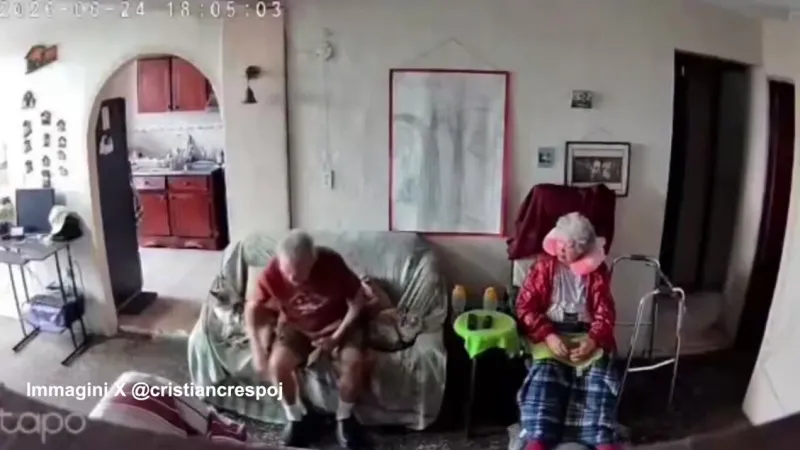
Caracas, Venezuela – A deeply affecting surveillance video has captured global attention, showing an elderly couple in their home holding hands in an act of mutual solace as a recent earthquake violently shook the capital city. The poignant moment, recorded as seismic activity rattled homes, quickly became a symbol of human resilience and unwavering connection amidst sudden peril.
The footage, widely shared across social media platforms, portrays the man and woman, visibly startled by the tremors, instinctively reaching for each other. Their grip tightened as furniture swayed and the ground beneath them moved, illustrating a powerful, silent testament to decades of shared life and companionship. This simple gesture resonated with millions, highlighting the universal human need for comfort during moments of crisis.
The earthquake, which registered a magnitude of 4.9, struck Venezuela recently, sending ripples of fear and uncertainty throughout the nation. While initial reports indicated no widespread fatalities, the quake exacerbated anxieties in a country already grappling with various societal and economic challenges.
Seismic events are not uncommon in Venezuela, a nation situated near the Caribbean tectonic plate. Geologists have consistently warned of the region's susceptibility to tremors, necessitating robust infrastructure and emergency preparedness measures. The recent Venezuela earthquake served as a stark reminder of these ongoing geological vulnerabilities.
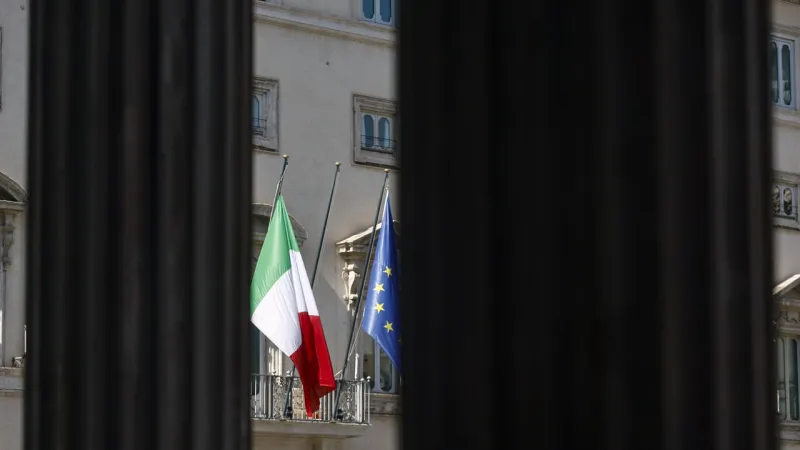
In response to the recurring seismic activity and potential humanitarian needs, international assistance has begun to mobilize. Italy, for instance, dispatched aid, with an Italy's Defense Flight Arrives in Venezuela for Urgent Quake Relief and an Italian Mission Lands in Venezuela Amid Mounting Quake Crisis, offering support to affected communities. These efforts underscore the global community's commitment to assisting nations in distress.
The emotional toll of experiencing an earthquake extends far beyond immediate physical damage. Residents describe a pervasive sense of insecurity, as the very ground beneath their feet becomes unpredictable. For many, particularly the elderly, such events trigger profound psychological stress and require sustained community support.
Local authorities in Caracas initiated damage assessments and offered public safety advisories following the tremors. While the 4.9 magnitude quake was significant enough to cause alarm, its relatively moderate intensity prevented catastrophic structural collapses in most areas, though older buildings remained a concern.
Emergency services across the capital were placed on high alert, coordinating efforts to respond to potential emergencies. The rapid deployment of first responders proved crucial in providing immediate assistance and reassurance to residents affected by the unexpected shaking.
This specific seismic event, while thankfully not catastrophic, reignited public discussions surrounding the nation's long-term preparedness strategy. Experts advocate for stricter building codes, regular seismic drills, and improved public awareness campaigns to mitigate future risks from a Venezuela earthquake.
The sight of the elderly couple gripping hands became more than just a fleeting image; it evolved into a powerful metaphor for the collective spirit of Venezuelans facing adversity. It symbolized the enduring human capacity for empathy and courage when confronted by the overwhelming forces of nature.
The incident also highlighted the critical role of surveillance technology, often associated with security, in capturing moments of raw human emotion and historical significance. The unedited, candid nature of the footage provided an unfiltered glimpse into a private moment of profound human connection.
Amidst reports of a Fresh 4.9 Magnitude Quake Rocks Venezuela Amid Aid Delay Allegations, the international community continues to monitor the situation closely. President Donald Trump administration officials expressed solidarity with the Venezuelan people, reaffirming the United States commitment to supporting humanitarian efforts in times of natural disaster.
The focus now shifts towards both immediate relief and long-term recovery plans. The challenges are substantial, particularly given Venezuela's complex socio-economic landscape. Ensuring access to resources, psychological support, and resilient infrastructure remains paramount.
As communities throughout Caracas and surrounding regions gradually recover from the latest seismic episode, the image of the couple endures as a poignant reminder that even in moments of profound fear, the simple act of human connection can offer the most profound solace. The global response, including crucial aid from nations like Italy, reinforces the message that Venezuela does not face these natural adversities alone.