 Dorry Archiles
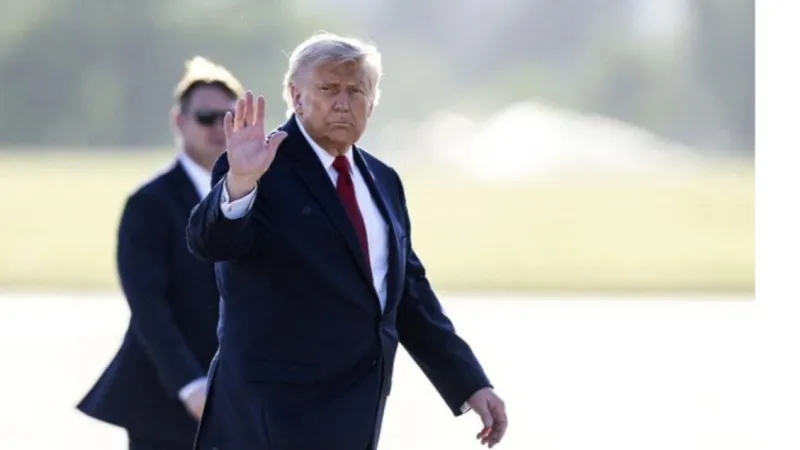
Tehran, Iran – A significant diplomatic opening has emerged in the long-stalled negotiations surrounding Iran's nuclear program, with the Islamic Republic agreeing to grant International Atomic Energy Agency (IAEA) inspectors access to several key sites. Simultaneously, the administration of President Donald Trump in Washington has signaled a partial easing of economic sanctions, marking a pivotal moment in the complex relationship between the two nations and a potential de-escalation of regional tensions.
The decision by Iranian authorities, confirmed by officials in Vienna, allows UN nuclear watchdog experts to monitor facilities that have been a source of international concern for years. This access represents a crucial step towards restoring greater transparency regarding Iran's nuclear ambitions, an issue central to global non-proliferation efforts.
Concurrently, the United States moved to loosen certain sanctions, particularly those impacting sectors that could facilitate humanitarian trade or contribute to Iran's civilian economy, though specifics remain under review. This gesture from President Trump's administration is widely seen as a reciprocal measure aimed at fostering goodwill and encouraging further Iranian compliance.
The development follows years of heightened friction after President Trump withdrew the United States from the 2015 Joint Comprehensive Plan of Action (JCPOA) in 2018, reimposing stringent sanctions. Tehran subsequently began reducing its commitments under the accord, enriching uranium beyond agreed limits and restricting IAEA oversight, escalating fears about its nuclear trajectory.
Recent weeks saw intense, often quiet, diplomatic exchanges facilitated by various intermediaries. Reports indicated a renewed commitment from both sides to explore technical solutions to the impasse. These discussions reportedly laid the groundwork for the current breakthrough, hinting at a more constructive engagement. This follows previous efforts where Iran, US Relaunch Technical Nuclear Discussions After Marathon Talks.
The IAEA has consistently called for full and unimpeded access to all declared and undeclared nuclear sites in Iran to ensure adherence to non-proliferation treaties. This latest agreement provides the agency with a critical opportunity to verify Iran's stated nuclear activities and address outstanding questions.
The US sanctions have severely crippled Iran's economy, impacting its oil exports, banking sector, and ability to conduct international trade. While the current easing is described as partial, it offers a crucial lifeline and could be expanded if further progress on nuclear transparency is achieved. Prior reports had also indicated that Iran Permits IAEA Inspectors; US Greenlights Partial Oil Sales, suggesting an earlier stage of this relief.
International observers and allied nations have largely welcomed the dual announcements, viewing them as a positive step towards de-escalation in the volatile Middle East. European Union officials, who have long advocated for a return to diplomacy, expressed cautious optimism regarding the prospects for broader stability.
Iranian foreign ministry spokespersons emphasized that their cooperation remains contingent on the sustained lifting of sanctions and a respect for their national sovereignty. They iterated that the opening to inspectors should not be interpreted as a surrender of their peaceful nuclear program rights.
From Washington, sources close to the White House indicated that President Donald Trump's administration views this as a direct result of its "maximum pressure" campaign, which they contend compelled Iran back to the negotiating table. The administration stressed that any long-term arrangement would require rigorous verification and address concerns beyond nuclear enrichment.
Despite these initial positive signals, significant hurdles remain. The scope of future inspections, the exact nature and extent of sanctions relief, and the broader political issues dividing Washington and Tehran will require delicate and protracted negotiations. Hardliners in both countries may also seek to undermine the nascent diplomatic efforts.
The de-escalation could have ripple effects across the region, potentially influencing conflicts in Yemen, Syria, and Lebanon, where Iran and US allies often find themselves on opposing sides. A more stable Iran-US relationship might pave the way for broader regional security dialogues.
Global energy markets are closely watching the developments. A sustained easing of sanctions, particularly those affecting oil exports, could lead to a significant increase in Iranian crude supply, potentially impacting international oil prices.
The immediate focus will be on the technical details of the IAEA inspections and the implementation of the specified sanctions waivers. Experts suggest these initial steps are a litmus test for the willingness of both sides to engage in more comprehensive discussions down the line.