 Chandra Wijayanto
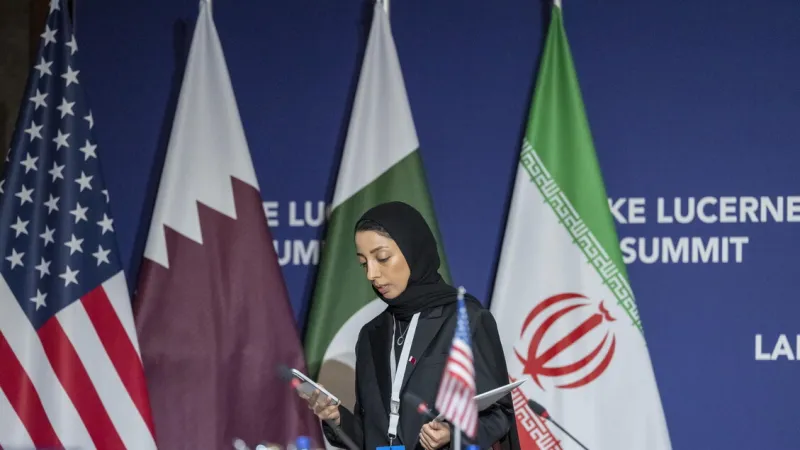
GENEVA – Delegations representing Iran and the United States have initiated an immediate resumption of technical discussions regarding Tehran's nuclear ambitions, following an intensive 18-hour preliminary session. The Iranian delegation concluded its participation in the initial prolonged talks, yet official statements from Tehran described the subsequent engagements as "brief nuclear talks," underscoring the delicate and ongoing diplomatic maneuvering surrounding the critical Iran nuclear discussions.
These highly technical exchanges typically delve into complex aspects of nuclear safeguards, uranium enrichment levels, and the scope of international inspections. Such detailed discussions are foundational to any potential broader agreement, aiming to establish verifiable commitments and build trust between the historically adversarial nations.
The current climate for these Iran-US nuclear talks remains challenging, colored by years of fluctuating diplomatic relations and a persistent lack of comprehensive accord. President Donald Trump's administration, as of 2026, has maintained a firm stance on non-proliferation, often emphasizing the need for robust verification mechanisms that address all dimensions of Iran's nuclear capabilities. This context ensures that every meeting carries significant weight and intense scrutiny.
Historically, efforts to rein in Iran's nuclear program have seen periods of both advancement and deadlock. Previous multilateral accords faced considerable headwinds, with Washington and Tehran frequently at odds over implementation and compliance. The memory of past breakdowns, particularly those that led to increased tensions, looms large over the current renewed engagement.
The stakes involved in these ongoing Iran nuclear discussions extend far beyond the two nations. Regional stability in the Middle East, the global non-proliferation architecture, and the broader international security landscape are intricately tied to their outcome. Any misstep or breakthrough could ripple through geopolitical alliances and energy markets alike.
For Tehran, the negotiations represent an opportunity to assert its sovereign rights to peaceful nuclear technology, while simultaneously seeking relief from international sanctions that have significantly impacted its economy. The duration and intensity of the previous 18-hour session highlight the depth of the issues at play and Iran's vested interest in clarifying its position.
Washington, conversely, prioritizes preventing nuclear proliferation and ensuring that Iran's program remains exclusively peaceful. President Trump's administration has consistently stressed the importance of a transparent and verifiable framework, often linking the nuclear issue to broader regional security concerns. The persistent shadow of Trump's Threats Cast Shadow Over Stalled US-Iran Nuclear Talks frequently underscores the difficult path forward for negotiators.
The very act of immediate resumption after such an extensive preliminary session signals a guarded commitment from both sides to continue dialogue, despite underlying differences. It suggests an acknowledgment that direct communication, even on highly sensitive technical matters, is preferable to an absolute impasse.
While the specifics of the "brief nuclear talks" were not immediately disclosed, their characterization by Tehran hints at focused, perhaps preparatory, discussions rather than comprehensive breakthroughs. Such an approach often serves to set the stage for subsequent, more substantive negotiations.
International observers will be watching closely for any indicators of progress or renewed friction. The diplomatic path is notoriously circuitous, and these technical discussions, while incremental, are vital steps in maintaining open channels for communication regarding one of the world's most critical geopolitical challenges.
The current discussions occur amid a complex regional backdrop, where various actors hold differing interests and anxieties regarding Iran's role and capabilities. The need for a stable and predictable diplomatic process is paramount to avoid exacerbating existing tensions and fostering an environment conducive to broader peace.
Both delegations face the considerable task of translating highly technical agreements into politically viable and internationally acceptable frameworks. The challenge lies not only in finding common ground on intricate nuclear parameters but also in securing the necessary political will to honor and enforce any future commitments. The recent news of US-Iran Talks Conclude Positively; Lebanon Conflict Cell Formed from a previous period illustrates the potential for progress, even if this specific round is focused on technical specifics.
The sustained engagement, marked by long hours and immediate resumptions, suggests that neither side is willing to entirely abandon the diplomatic track, even when progress appears painstakingly slow. The focus remains on de-escalation and finding a viable pathway forward for Iran's nuclear program.
These dedicated efforts highlight the enduring importance of diplomacy in managing high-stakes international disputes. As the world watches, the outcome of these technical discussions could significantly shape the trajectory of Iran's relationship with the West and the future of global nuclear security.