 Dodi Irawan
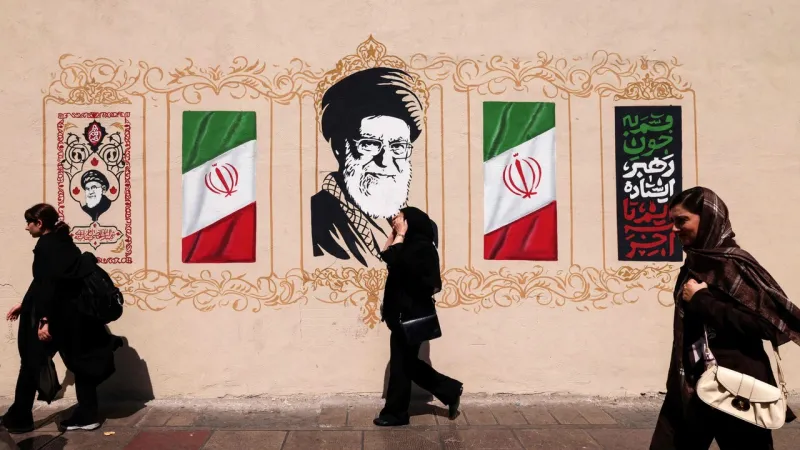
A crucial first round of indirect negotiations between the United States and Iran has concluded in a neutral venue, with international mediators describing the atmosphere as positive and announcing the immediate formation of a dedicated cell aimed at managing the persistent conflict in Lebanon. The breakthrough comes amidst escalating regional tensions and marks a significant, albeit preliminary, step toward de-escalation.
Diplomatic sources familiar with the discussions indicated that both sides engaged constructively despite profound disagreements on core issues. Mediators conveyed that the atmosphere was positive, signaling a renewed willingness from Tehran and Washington to explore avenues for reducing flashpoints, particularly those contributing to instability in the Levant.
The establishment of a specialized conflict management cell for Lebanon underscores the immediate priority given to the volatile situation in the Mediterranean nation. This initiative, proposed by the mediators, aims to create a dedicated channel for communication and coordination to prevent further escalation and address the multifaceted challenges Lebanon faces, including political deadlock and economic crises exacerbated by regional proxy struggles.
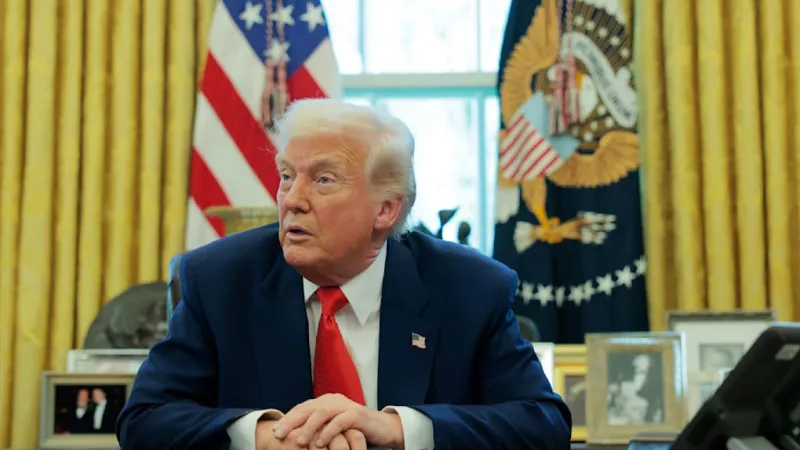
This development represents a cautious shift in the often-antagonistic relationship between the two nations, especially under President Donald Trump's administration. President Trump has consistently adopted a firm stance against Iran's regional activities and its nuclear program, leading to a period of heightened sanctions and military posturing.
Previous attempts at meaningful dialogue have frequently faltered, often overshadowed by geopolitical brinkmanship. Reports indicated that Trump's Threats Cast Shadow Over Stalled US-Iran Nuclear Talks in earlier periods, illustrating the fragility of these high-stakes diplomatic endeavors. The current dialogue, even if indirect, offers a glimmer of hope where direct engagement proved difficult.
The focus on Lebanon is particularly salient. The nation has long been a focal point of regional power struggles, with Iran exerting significant influence through Hezbollah, a powerful political party and armed group. Israel has frequently undertaken operations to counter Hezbollah's presence, including discoveries that Israel Uncovers Hezbollah Weapons Tunnel Deep Inside Lebanon, highlighting the deeply entrenched nature of the conflict.
President Trump has repeatedly called for Iran to curtail its support for Hezbollah. Earlier statements indicated that Trump Demands Iran Pressure Hezbollah, Sparks Diplomatic Fury in Switzerland at international forums. The agreement to form a Lebanon-focused cell suggests an acknowledgment from both sides of the urgent need to address this specific regional powder keg.
While the initial round concluded on an optimistic note, observers caution against overly sanguine expectations. The chasm between Washington and Tehran remains vast, encompassing Iran's ballistic missile program, its nuclear ambitions, and its broader regional interventions. Sustained progress will require significant concessions and confidence-building measures from both parties.
Sources close to the negotiations refrained from detailing the specific composition or operational mandate of the Lebanon conflict cell, but implied it would involve technical experts and diplomatic envoys tasked with de-escalation strategies and humanitarian considerations. Its effectiveness will hinge on the political will of both the US and Iran to utilize this new mechanism genuinely.
The international community has long urged a diplomatic resolution to the perennial US-Iran standoff. The successful conclusion of this initial round of talks, despite its limited scope, has been met with quiet relief among global capitals concerned by the potential for wider regional conflict.
Looking ahead, future rounds of negotiations are anticipated to delve into more contentious issues. The success of the Lebanon cell could serve as a vital precedent for addressing other complex files that have historically hampered US-Iran relations, including the broader implications of sanctions and prisoner exchanges.
Analysts suggest that Iran's participation might also be influenced by domestic economic pressures and a desire to alleviate international isolation, while the US under President Trump seeks to stabilize key strategic regions and manage perceived threats without necessarily reverting to past agreements like the Joint Comprehensive Plan of Action (JCPOA).
The indirect format of the talks remains crucial, allowing both nations to engage without the political optics of direct bilateral meetings, which can be sensitive domestically. Mediators play a pivotal role in bridging the communication gap and fostering an environment conducive to pragmatic discussions.
This initial positive step, while not a comprehensive breakthrough, establishes a foundation. The challenge now lies in translating this positive sentiment into tangible actions that lead to a tangible reduction in regional tensions and a more stable future for nations like Lebanon caught in the geopolitical crossfire.