 Edward DP Situmorang
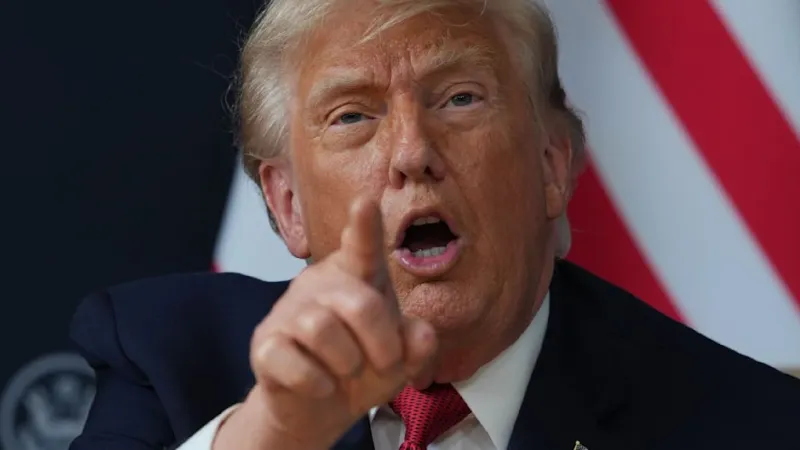
LUCERNE – President Donald Trump has escalated tensions during ongoing diplomatic talks between the United States and Iran in Switzerland by explicitly demanding that Tehran exert influence over the Lebanese militant group Hezbollah. This controversial pronouncement, made amidst delicate discussions aimed at resolving regional conflicts, unfreezing assets, and reopening trade routes, has reportedly generated significant displeasure and complication at the negotiation venue.
The high-stakes negotiations, unfolding in a neutral European setting, seek to establish a framework for de-escalation in the Middle East, address the long-standing issue of Iranian assets frozen in international banks, and explore viable pathways for renewed economic engagement. Both nations entered these discussions with cautious optimism, recognizing the immense challenges but also the imperative for dialogue.
Following President Trump's declaration, Iranian diplomatic circles expressed significant frustration, with sources indicating that Tehran characterized the message as deeply insulting and counterproductive to the spirit of the ongoing talks. This sentiment underscored the precarious nature of the discussions, where trust remains a fragile commodity.
President Trump's insistence on Iranian intervention with Hezbollah adds a complex layer to already intricate negotiations. The United States and its allies have long accused Iran of materially and financially supporting Hezbollah, a charge Tehran consistently denies, maintaining that its relationship with the group is purely political.
Hezbollah, a powerful political party and militant group in Lebanon, maintains significant influence across the Middle East. Its operational capabilities and alleged Iranian backing have frequently been a point of contention in international diplomacy, as highlighted by revelations such as those detailed in the article Hezbollah Terror Tunnel Unveils Massive Iran-Linked Drone Arsenal, which exposed an extensive arsenal and infrastructure.
The immediate focus of the Swiss deliberations includes securing an end to specific regional conflicts, which often involve proxies linked to both Iran and various US-backed entities. Furthermore, discussions encompass the intricate process of unfreezing substantial Iranian assets, a move contingent on various compliance metrics, and the restoration of key trade arteries essential for global commerce.
President Trump's unexpected directive has, however, cast a pall over the proceedings, risking a potential derailment of the painstakingly arranged discussions. Analysts note that such overt demands, particularly regarding a sensitive proxy relationship, often complicate the diplomatic dance, a concern also evident in previous periods of tension, as explored in Trump's Hormuz Ultimatum Shadows US-Iran Lucerne Talks.
This latest development underscores a recurring theme in the relationship between the two nations under President Trump's administration: a blend of direct engagement coupled with assertive demands. Such a strategy aims to leverage diplomatic avenues while simultaneously applying maximum pressure on adversaries.
The ability of Iran to genuinely influence Hezbollah's operational decisions remains a subject of intense debate among international observers. While Tehran undoubtedly holds sway, the extent to which it can or will dictate Hezbollah's actions without facing significant internal and regional blowback is less clear.
Diplomatic sources close to the Lucerne venue suggest that negotiators are now grappling with how to address President Trump's demand without either alienating Iran entirely or appearing to disregard a core American security concern. The incident places immense pressure on both delegations to find common ground amidst deepening mistrust.
As the talks continue, the international community watches closely, understanding that the outcome could significantly reshape the geopolitical landscape of the Middle East. The initial optimistic tone of the negotiations, initiated to address critical security and economic issues, described in US and Iran Begin Crucial Talks Amid Hormuz Strait Standoff, faces a formidable new challenge.
Both sides must now navigate this diplomatic minefield, weighing the imperative to de-escalate regional tensions and resolve financial entanglements against the political optics and strategic implications of President Trump's firm stance. The path forward remains uncertain, but the stakes for regional stability and global trade have undoubtedly risen.