 Chris Robert
The United States grapples with a burgeoning cost of living crisis, a pervasive economic challenge now creating significant internal schisms within the Republican Party and threatening its electoral prospects in the upcoming 2026 midterm elections. This widespread economic strain, manifesting in everything from housing to everyday essentials, is proving to be a potent wedge, dividing conservative voters and strategists alike.
Analysts observe that the very economic anxieties Republicans often leverage against the opposition are now sparking discord within their own ranks. The inflation debate, once a unifying critique, has evolved into a complex internal argument about solutions, priorities, and political messaging, posing a distinct boomerang risk for the party.
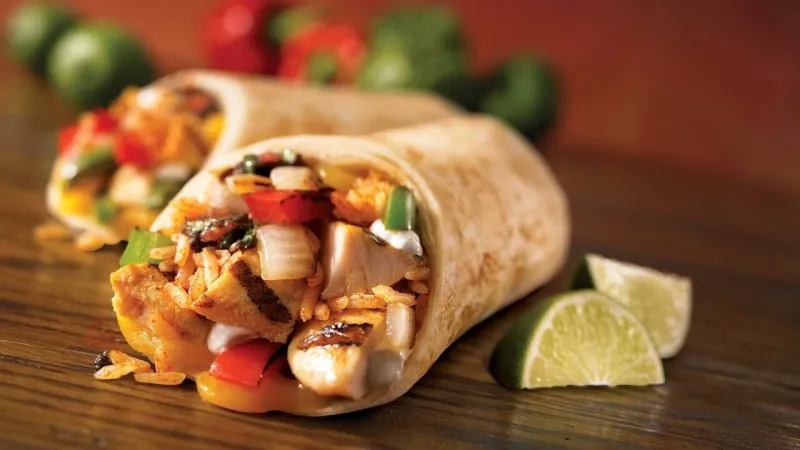
The price increases, exemplified by anecdotes of even common fast-food items like a burrito nearing twenty dollars in some urban centers, resonate deeply with American households. These tangible impacts on disposable income translate directly into voter dissatisfaction, compelling Republican leaders to navigate a perilous political landscape.
President Donald Trump's administration, while focused on broader economic growth, faces the challenge of addressing these granular household financial pressures. The party's ability to articulate a cohesive plan to alleviate the cost of living burden will be critical in shaping voter perception.
One faction of the Republican Party advocates for stringent fiscal conservatism, emphasizing spending cuts and reduced government intervention as the primary remedies for inflation. They argue that excessive governmental outlays are the root cause, demanding a return to fiscal austerity.
Another influential segment, often aligned with more populist sentiments, prioritizes relief for working-class families through different means, potentially including tax credits or direct subsidies. This wing fears that austere measures could alienate key voter blocs struggling with everyday expenses.
This ideological divergence complicates the party's ability to craft a unified economic platform heading into 2026. Without a clear and universally supported strategy, voters may perceive a party divided and uncertain on an issue that directly impacts their wallets.
Political strategists warn that failing to present a coherent message on economic relief could erode confidence among independent voters and even some traditional Republican strongholds. The perceived inability to address pocketbook issues could disproportionately affect races in swing districts.
The historical precedent of economic conditions heavily influencing election outcomes weighs heavily on party leadership. Eras marked by high inflation or unemployment have consistently seen shifts in political power, making the current economic climate particularly precarious for the GOP.
Furthermore, the Democratic Party is poised to capitalize on any perceived disunity or inaction from Republicans on the cost of living. They are likely to present their own economic proposals, attempting to draw a contrast and highlight what they portray as Republican internal strife.
The ongoing debate underscores a fundamental tension between long-held conservative economic principles and the immediate, practical demands of an electorate facing rising expenses. Reconciling these viewpoints without alienating significant portions of the base remains a formidable task.
As the 2026 midterm cycle draws closer, the Republican Party must unify its message on economic policy and effectively communicate a viable path forward for ordinary Americans. The cost of living crisis is not merely an economic statistic; it is a profound political challenge that will test the party's cohesion and electoral resilience.