 Chris Robert
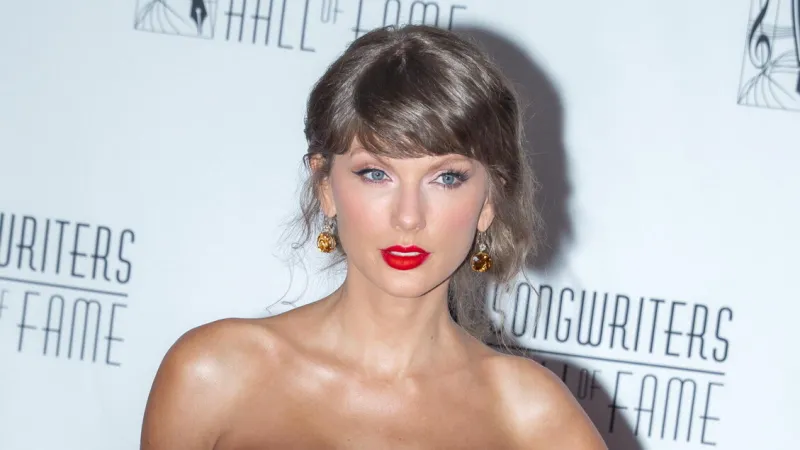
NEW YORK – Taylor Swift, the celebrated global music phenomenon, etched her name into history recently as the youngest woman ever inducted into the prestigious Songwriters Hall of Fame at 36 years old. The momentous ceremony, held in New York, celebrated her profound contributions to modern music, with legendary filmmaker Steven Spielberg presenting the distinguished honor.
Her induction signifies a landmark achievement, underscoring not only her prolific output but also the profound impact her lyrical narratives have exerted on an entire generation. At an age where many artists are still solidifying their careers, Swift has already redefined the parameters of songwriting success and influence.
The presence of Steven Spielberg, a titan in his own creative field, added an exceptional layer of prestige to the evening. His participation highlighted the cross-disciplinary admiration for Swifts storytelling prowess, acknowledging her as a formidable force whose craft transcends musical genres to touch the broader cultural zeitgeist.
Swifts journey from a country music prodigy to an undisputed pop icon has been characterized by her unwavering commitment to narrative songwriting. Her ability to articulate complex emotions, personal experiences, and universal themes with remarkable clarity and catchiness has resonated with millions across the globe, establishing her as a unique voice in contemporary music.
Throughout her career, Taylor Swift has penned or co-penned numerous chart-topping hits, each a testament to her mastery of verse and melody. Her songs often explore themes of love, heartbreak, friendship, and resilience, frequently drawing from autobiographical elements that imbue her work with an authentic, relatable quality, fostering an unparalleled connection with her fanbase.
The Songwriters Hall of Fame, established in 1969, honors those who have made significant contributions to the art of songwriting. Previous inductees include an esteemed pantheon of musical legends, placing Swift among the likes of Bob Dylan, Carole King, and Lennon-McCartney. Her early inclusion speaks volumes about the enduring quality and commercial success of her compositions.
The music industry has widely lauded Swifts induction, recognizing her as a trailblazer who consistently pushes creative boundaries while maintaining commercial viability. Critics and peers alike frequently cite her meticulous lyrical construction and her ability to evolve her sound while retaining her distinctive narrative voice as key to her longevity and widespread appeal.
Beyond her musical catalog, Taylor Swift has become a cultural phenomenon, influencing fashion, business, and even political discourse through her outspokenness and advocacy. Her control over her masters and her innovative touring strategies exemplify her sharp business acumen, demonstrating an artist who is as savvy in the boardroom as she is in the recording studio.
This induction solidifies Swifts place in musical history, but it also portends a future filled with continued innovation and influence. With many years of her career still ahead, her early recognition suggests an ongoing legacy of lyrical artistry that will undoubtedly continue to shape the landscape of popular music for decades to come.
Ultimately, Taylor Swifts entry into the Songwriters Hall of Fame at such a young age is not merely an accolade; it is a powerful affirmation of her indelible mark on songwriting. She stands as a testament to the power of authentic storytelling and the enduring resonance of a meticulously crafted song in an ever-changing world.