 Dorry Archiles
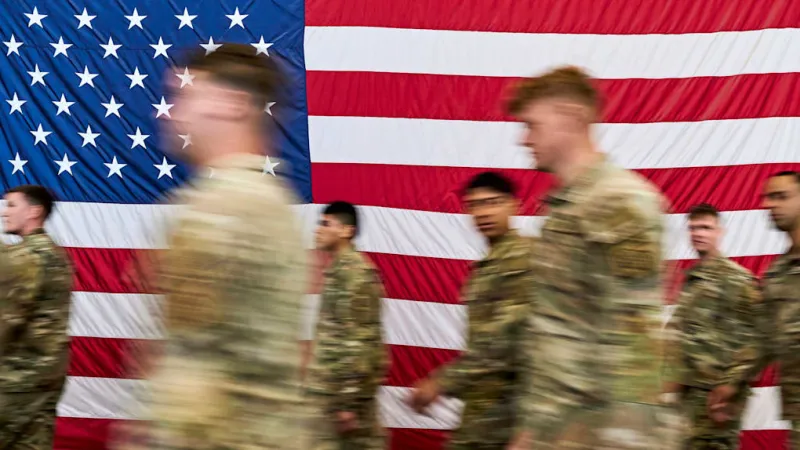
A federal appeals court has upheld the Trump administration's provisional ban on transgender individuals from entering the United States military, a significant ruling that reinforces a 2025 executive order. While the decision bars new transgender recruits, it explicitly permits transgender service members already serving to continue their duties without interruption.
The appellate court's decision represents a legal victory for President Donald Trump, affirming his administration's authority to implement the contentious policy. This provisional exclusion has been a focal point of debate surrounding military readiness, individual rights, and presidential executive power since its initial proposal.
The policy, formalized through an executive order in 2025, reversed previous guidelines that allowed openly transgender individuals to serve in all capacities. The Trump administration cited concerns regarding military cohesion, medical costs, and deployment readiness as primary justifications for the change.
Crucially, the court's ruling maintains a clear distinction between prospective recruits and those already wearing a uniform. Transgender individuals currently serving in the armed forces are shielded from the ban, ensuring their continued service and protecting their careers, at least under this specific ruling.
This legal battle began almost immediately after the administration announced its intention to modify transgender military service policy. Numerous advocacy groups and individuals filed lawsuits, arguing that the ban constitutes unconstitutional discrimination and undermines military effectiveness by excluding qualified personnel.
While the full details of the appeals court's reasoning are pending broader public release, the ruling likely focused on the executive branchs inherent authority over military personnel policy, particularly regarding recruitment standards. Courts often grant deference to presidential decisions on national security matters.
For transgender individuals aspiring to join the US military, this decision creates a substantial hurdle. It means that, for the foreseeable future, their path to service is obstructed by the administration's policy, pending further legal challenges or changes in executive directives.
LGBTQ+ rights organizations and civil liberties advocates are expected to voice strong opposition to the ruling. They contend that the ban is discriminatory and based on prejudice rather than sound military judgment, potentially weakening the armed forces by narrowing the pool of talent.
The decision also carries significant political implications, particularly in the lead-up to future elections. It solidifies President Trump's stance on social issues within the military, a position that resonates with some segments of his political base while alienating others. This ruling adds to a growing list of significant policy actions taken by the administration, which includes decisions such as President Trump halting a divisive Capitol Riot compensation fund amid backlash.
Opponents of the ban are likely exploring further legal avenues, potentially including an appeal to the Supreme Court. The legal landscape surrounding transgender rights and military service remains complex and subject to ongoing litigation.
The Trump administration's policy directly contrasts with the Obama era, which saw the lifting of the ban on openly transgender service members. That shift was lauded by proponents as a move towards greater inclusivity and a recognition of individual capabilities over gender identity.
This ruling reignites a broader national conversation about transgender rights, military service, and the role of government policy in defining access to public institutions. The debate often pits arguments of individual liberty against perceived military requirements.
Supporters of the ban often argue that it ensures military readiness by avoiding potential disruptions related to medical treatments or specialized accommodations for transgender service members. They contend that the military's primary focus must remain on combat effectiveness.
Conversely, critics assert that inclusive policies strengthen the military by drawing from a wider talent pool and fostering a more diverse and capable force. They argue that excluding individuals based on gender identity is detrimental to national security interests.
The provisional nature of the ban implies that its long-term application could still be subject to change, either through subsequent court rulings, legislative action by Congress, or a future executive order from a different administration. The legal and political saga is far from over.
Ultimately, the appeals court's decision marks a pivotal moment for the transgender military ban, affirming its immediate enforceability for new recruits while continuing to permit the service of those already enlisted.