 Dodi Irawan
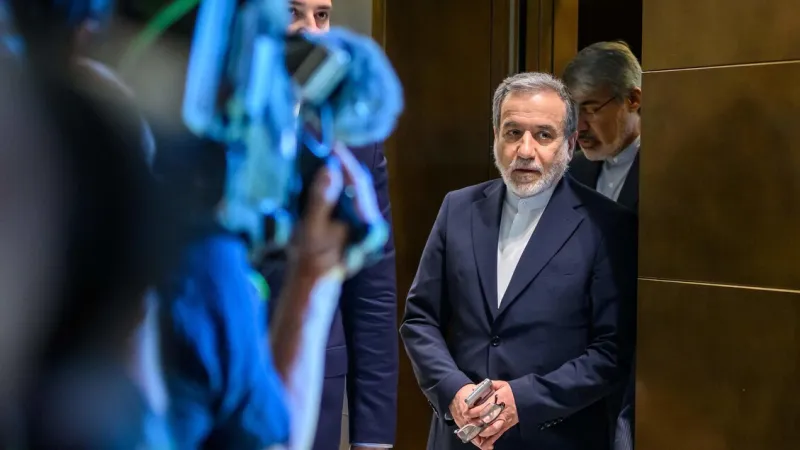
GENEVA – High-stakes diplomatic discussions between the United States and Iran commenced in Switzerland today, addressing critical issues including Lebanon's political stability and frozen Iranian financial assets. The talks unfold amidst heightened tensions as Iranian media outlets reiterate Tehran's intent to keep the strategic Strait of Hormuz closed and a presidential candidate firmly stated the nation's commitment to uranium enrichment.
US envoy Vance met with Iranian official Ghalibaf in a bid to de-escalate rising regional friction and find common ground on persistent disagreements. The secretive nature of the discussions underscores the fragility of the diplomatic tightrope both nations traverse.
A primary focus of the bilateral agenda centers on the political and economic quagmire in Lebanon. The United States seeks Iranian cooperation in stabilizing the embattled nation, which has grappled with prolonged governmental paralysis and a severe financial crisis.
Another contentious point involves Iranian funds frozen in various international accounts due to sanctions. Tehran consistently pressures for the release of these assets, viewing them as crucial for its struggling economy, a demand the US views with caution given broader regional security concerns.
Simultaneously, Iranian media reports amplified Tehran's unwavering stance on the Strait of Hormuz. These reports emphasized that the vital shipping lane, critical for global oil transit, “remains closed” in response to perceived external pressures or military threats, a declaration that immediately impacts international markets and geopolitical stability.
Adding another layer of complexity, Iranian presidential candidate Pezeshkian issued a strong declaration regarding the nation's nuclear ambitions. “We do not seek atomic weapons,” Pezeshkian asserted, “but we will not relinquish uranium enrichment.” This statement directly challenges international efforts to curb Iran's nuclear program.
The insistence on uranium enrichment positions Iran at odds with global powers that fear the dual-use nature of such technology. International Atomic Energy Agency reports have repeatedly highlighted the growing stockpile of enriched uranium in Iran, fueling concerns about its potential application for non-peaceful purposes.
These current diplomatic overtures echo previous attempts at dialogue between Washington and Tehran, often characterized by periods of intense negotiation followed by breakdowns. The relationship remains fraught with deep mistrust and fundamental ideological differences.
Envoy Vance's presence in Switzerland signifies President Donald Trump's administration's continued, albeit cautious, engagement with Iran despite severe sanctions. The US strategy aims to leverage diplomatic channels while maintaining economic pressure to influence Tehran's regional conduct and nuclear activities. The arrival of the US envoy was previously reported, as seen in US Envoy Vance Arrives in Switzerland for Crucial Iran Talks.
The outcomes of these Swiss talks hold significant implications for the broader Middle East. From the ongoing conflict in Yemen to the intricate power dynamics in Iraq and Syria, Iran's regional influence remains a central point of contention for US foreign policy.
While not explicitly stated as a core discussion point for Vance and Ghalibaf, the broader context of Iran's nuclear program inevitably looms over these discussions. Past agreements, such as the Joint Comprehensive Plan of Action, have faltered, leaving a vacuum that current diplomacy attempts to navigate. Another article exploring this context is Iran Nuclear Talks Begin Amid Hormuz Closure, Uranium Enrichment Standoff.
The frozen funds issue is particularly acute given Iran's strained economy, exacerbated by years of stringent international sanctions. Tehran views these assets as sovereign wealth unjustly withheld, while Washington sees them as a potential bargaining chip or a means to enforce compliance.
International observers closely watch these developments, recognizing the potential for either a path to de-escalation or further entrenchment of hostile positions. European allies, in particular, advocate for sustained diplomatic engagement to prevent wider regional conflict.
As the talks continue behind closed doors, the world awaits any tangible breakthroughs that could temper the volatile dynamics in the Middle East. The dual challenges of nuclear proliferation fears and regional proxy conflicts underscore the urgency of a diplomatic resolution.