 Debby Wijaya
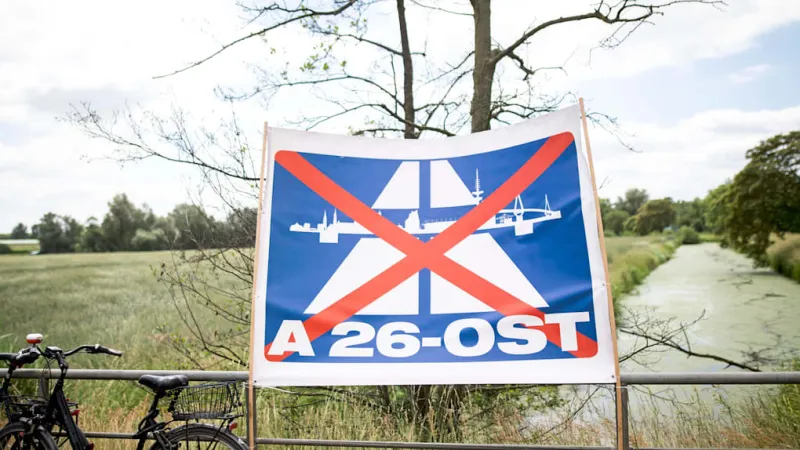
Hamburg, Germany – A proposed 9.7-kilometer extension of Hamburgs port motorway, the A26 Ost, faces strong opposition from leading environmental organizations Nabu and BUND, which decry its projected 2.6 billion euro cost as fiscally irresponsible. The groups are actively campaigning to prevent the highways construction in its currently planned iteration, citing both economic and ecological concerns.
The two influential environmental associations articulated their concerns this week, emphasizing that the staggering expenditure for such a relatively short stretch of infrastructure represents an egregious misuse of public funds. Their collective stance highlights a growing public debate surrounding large-scale infrastructure projects in Germany, particularly those with significant environmental footprints.
Officials from Nabu pointed to the per-kilometer cost, which approaches 268 million euros, as an unacceptable burden on taxpayers. This figure, they argue, far exceeds benchmarks for comparable projects and suggests a fundamental misallocation of resources at a time when other critical investments, such as public transport and climate adaptation, demand urgent attention.
Beyond the financial aspects, BUND representatives underscored the irreversible environmental damage inherent in the A26 Osts route. The planned motorway would traverse sensitive ecological areas, potentially fragmenting habitats and increasing local pollution levels, directly contradicting Germanys stated climate protection goals.
This dispute over the Hamburg Port Highway is not an isolated incident but rather indicative of broader challenges facing German infrastructure development. The nation regularly grapples with balancing economic growth, ecological preservation, and fiscal prudence in its ambitious construction endeavors. Similar debates have emerged across Germany regarding high-speed rail lines and urban development projects.
The significant financial commitment for the A26 Ost also draws parallels with other recent critiques of German public spending. For instance, the highly anticipated Bürgergeld Reform fails to deliver billions in promised German savings, has recently come under scrutiny for failing to meet its fiscal targets, adding to concerns about effective budgetary oversight. The substantial investment in the Hamburg Port Highway, therefore, intensifies questions about governmental priorities and financial management.
While direct quotes from Nabu and BUND are not provided in the source, their collective press statements often convey a sense of urgency. A spokesperson for Nabu Hamburg was quoted in local media as saying, "We cannot justify spending billions on a highway that will exacerbate climate problems and destroy nature. This money must be redirected to sustainable solutions."
Similarly, a BUND representative reportedly stated, "The A26 Ost project is a relic of outdated transport planning. It fails to address the future needs of Hamburg, which demand robust public transport and environmentally sound logistics, not more asphalt." These statements reflect the groups firm resolve.
Proponents of the A26 Ost, primarily from regional economic development bodies and the city administration, contend that the highway is crucial for improving accessibility to the Port of Hamburg, one of Europes largest and busiest maritime hubs. They argue it will alleviate traffic congestion, enhance freight efficiency, and support economic competitiveness.
These advocates assert that the project is indispensable for the regions logistical backbone, ensuring the smooth flow of goods and bolstering local employment. They point to comprehensive traffic analyses that project increased demand on existing routes, necessitating new capacity to prevent gridlock.
Despite the environmentalists protestations, planning for the A26 Ost continues, with various stages of regulatory approval still underway. The debate is expected to intensify as the project moves closer to potential groundbreaking, setting the stage for further legal challenges and public activism.
The outcome of the dispute over the Hamburg Port Highway could set a significant precedent for future infrastructure projects across Germany and potentially Europe. It underscores the increasing tension between economic imperatives, environmental protection, and public fiscal responsibility in an era of climate crisis and constrained budgets.
Environmental groups have indicated their readiness to exhaust all legal avenues to challenge the project. This includes potential lawsuits against planning approvals, leveraging public opinion through awareness campaigns, and engaging with political stakeholders at both the state and federal levels.
The controversy also places pressure on local and regional politicians in Hamburg, who must navigate the competing demands of industry, environmental advocates, and the broader electorate. Finding a consensus that satisfies all parties appears increasingly challenging as the projects costs escalate and environmental concerns grow louder.
Nabu and BUND have also proposed alternative solutions, advocating for greater investment in rail freight for port logistics and expanding public transport networks to reduce reliance on road infrastructure. They argue these alternatives are more sustainable and cost-effective in the long run.
Critics of the A26 Ost project often question the underlying economic analyses, suggesting they may overestimate benefits and underestimate long-term costs, including environmental externalities. Independent economic assessments are frequently called for to provide a more transparent evaluation of such massive undertakings.
As the project proceeds, legal battles are almost certain. Environmental groups have a strong track record of challenging large infrastructure projects in German courts, often leading to delays, revisions, or even cancellations. The A26 Ost is poised to be another battleground in this ongoing legal and environmental struggle.
Public sentiment in Hamburg appears divided. While some citizens support the proposed highway for its economic benefits and potential traffic relief, others express profound concern over the environmental impact and the allocation of such a substantial budget, particularly when local services might face cutbacks.
The confrontation over the Hamburg Port Highway encapsulates a fundamental conflict between traditional infrastructure development models and the urgent need for sustainable, climate-friendly urban planning. The 2.6 billion euro price tag serves as a stark reminder of the high stakes involved in this ongoing debate.
Ultimately, the resolution of the A26 Ost controversy will likely depend on a complex interplay of political will, judicial review, and the shifting tides of public opinion regarding what constitutes responsible and forward-looking urban development for Hamburg.