 Stefani Rindus
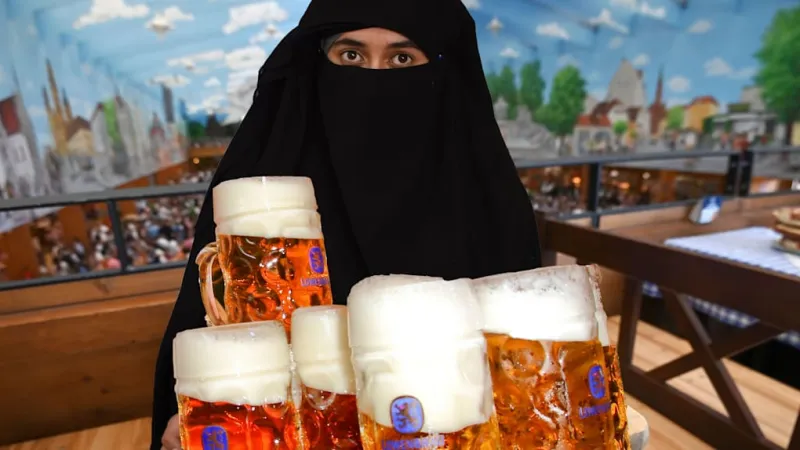
The city of Munich has become the focal point of a unique cultural commentary following the emergence of a satirical article proposing a radical new dress code for waitresses at the world-renowned Oktoberfest. The jest, designed to provoke thought, suggested that festival staff might don burqas to mitigate potential issues with the municipal equality office concerning sexism and inappropriate attire.
This highly unusual, yet fictional, regulation was presented as a measure to preemptively address any perceived risk of discomfort or objectification, according to the original satirical piece. The concept immediately underscored ongoing public discourse surrounding traditional German cultural celebrations, modern societal values, and the ever-evolving interpretations of gender equality.
Oktoberfest, an annual folk festival known globally for its vibrant atmosphere, Bavarian beer, and traditional costumes like Dirndls and Lederhosen, attracts millions of visitors to Munich each year. The imagery of waitresses in traditional Dirndls serving steins of beer is iconic, making the satirical proposition of a burqa dress code particularly jarring and impactful.
The intent behind the satire, published in a German outlet identified as a source of such commentary, appears to be a critical reflection on contemporary debates surrounding modesty, gender representation, and the potential for overregulation in public spaces. It uses hyperbole to draw attention to the sensitivities often debated in the context of large cultural events.
Observers suggest the parody aims to highlight what some perceive as an increasingly cautious or even zealous approach by administrative bodies to enforce equality standards, sometimes leading to proposals that inadvertently clash with cultural heritage. The contrast between the traditional Dirndl and a full-face veil is stark, serving as the central comedic and critical element of the piece.
While no official statement from Munich city authorities or Oktoberfest organizers addressed the fictional proposal, the article undoubtedly contributed to informal discussions among residents and media alike. It prompted conversations about the boundaries of cultural expression and the role of dress in public life.
Discussions around dress codes, particularly those affecting women in public-facing roles, remain pertinent in various European contexts. For instance, the Zurich Parliament recently voted to ban headscarves for teachers and students, illustrating real-world legislative efforts that touch upon similar themes of attire, secularism, and public identity.
The satirical piece does not advocate for such a policy but rather employs it as a narrative device. It implicitly questions whether attempts to eradicate perceived sexism might lead to unintended, extreme, or culturally dissonant solutions, especially in contexts deeply rooted in specific traditions.
For decades, the Dirndl has been a symbol of Bavarian identity and an integral part of the Oktoberfest experience. Its design, while often seen as celebratory and festive, has also occasionally been subject to scrutiny in broader discussions about gender and attire. The satirical proposal playfully, yet pointedly, enters this sensitive arena.
The reaction to the satire, primarily within German-speaking media and social discourse, demonstrated its effectiveness in sparking dialogue. It serves as a reminder that humor and exaggeration can often be powerful tools for social commentary, prompting deeper consideration of complex societal issues without the need for direct confrontation.
Ultimately, the burqa proposal for Oktoberfest waitresses stands as a notable example of modern satire. It engages with timely themes of gender equality, cultural heritage, and administrative oversight, packaged within a provocative, yet entirely fictional, scenario intended to make its audience think and, perhaps, smile at the absurdity.
The incident underscores the ongoing European negotiation between tradition and progressive values. As cities like Munich grapple with maintaining cultural authenticity while also fostering inclusivity and respect, such satirical commentaries offer a unique lens through which to examine these tensions.
This episode, though rooted in jest, reflects a wider societal introspection across Germany and Europe concerning the preservation of cultural events against the backdrop of evolving social norms. It highlights the fine line between celebrating heritage and ensuring contemporary standards of equality.
The focus remains on Oktoberfest as a beacon of Bavarian culture. The satirical piece, rather than intending to criticize the festival itself, uses its prominent platform to explore broader societal questions through a humorous, albeit controversial, lens. It joins a long tradition of social commentary employing exaggeration for impact.
The discussion it initiated revolved less around the literal feasibility of burqas at Oktoberfest and more around the underlying anxieties and debates about cultural appropriation, religious freedom, and the extent to which public bodies should dictate personal appearance, even in a satirical context.
The German media landscape often features such critical, humorous interventions. They serve to test public opinion, challenge prevailing narratives, and provide an alternative perspective on sensitive topics, often cutting through serious debate with a touch of the absurd.
Oktoberfest will likely continue with its traditional attire, but the satirical burqa proposal has left its mark as a talking point. It illustrates the enduring power of satire to comment on the modern predicament of balancing tradition with the demands of an increasingly diverse and sensitive society.