 Chris Robert
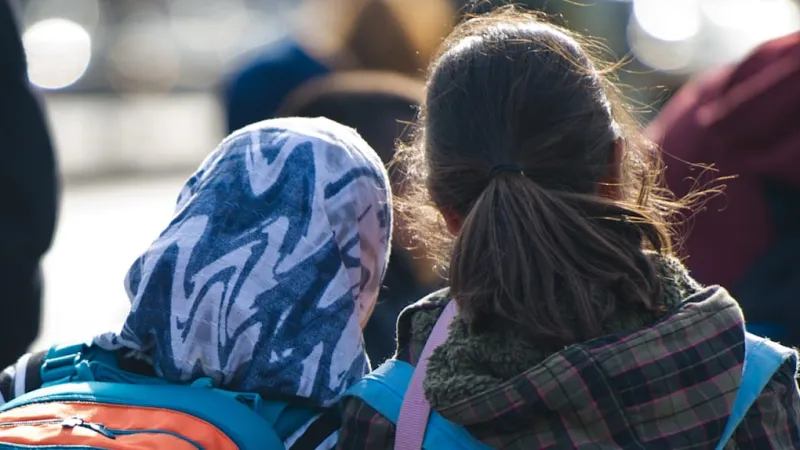
Zurich, Switzerland – The Cantonal Council of Zurich has voted by a narrow margin of 87 to 82 to implement a ban on headscarves for female teachers and students within the cantons public schools. This decision, reached recently, reignites a contentious national debate regarding religious freedom, secularism, and the integration of diverse communities into Swiss society. The move now tasks the cantonal government with drafting a constitutionally compliant regulation to enforce the ban.
The contentious vote reflects deep divisions across the political spectrum in the prosperous Swiss canton. Proponents of the ban argue it upholds the neutrality of the state and ensures an environment free from religious symbols in educational institutions. They contend that visible religious attire, particularly for educators, could compromise the impartiality of teaching and exert undue influence on impressionable students.
Leading figures from centrist and right-leaning parties championed the initiative, emphasizing the importance of a secular public sphere. They highlighted that the classroom should serve as a neutral ground where all students, regardless of their background, feel equally represented and unburdened by overt religious displays. This perspective aligns with broader European discussions on state secularism.
Conversely, opposition parties, alongside various civil liberties and human rights organizations, vehemently criticized the decision. They branded the ban as discriminatory and a direct infringement on individual religious freedom, guaranteed by the Swiss constitution. Critics contend the measure disproportionately targets Muslim women and sends a chilling message about inclusivity.
Advocates against the ban asserted that forbidding a headscarf restricts the rights of women to express their religious identity, particularly when it does not interfere with professional duties or the educational process. They argued that integration should foster acceptance of diversity, not compel conformity through legislative means.
The tight vote tally underscores the profound ideological chasm within Swiss politics regarding the role of religion in public life. While Switzerland values its neutrality, the interpretation of that neutrality when it intersects with personal religious expression remains a persistent point of contention.
This move by Zurich mirrors similar debates and legislative actions seen in other European nations, notably France and parts of Germany, where headscarf bans in schools or public service have also been implemented or considered. These precedents often face legal challenges, citing human rights conventions.
The immediate task for the Zurich government involves meticulously crafting a legal framework that can withstand potential judicial scrutiny. The regulation must navigate the delicate balance between the councils mandate and fundamental constitutional rights, including freedom of belief and expression. Legal experts anticipate challenges, possibly reaching the Federal Supreme Court.
For the Muslim community in Zurich, the ban represents a significant setback and a perceived marginalization. Community leaders have voiced concerns that such legislation could exacerbate feelings of alienation among young Muslim women and hinder, rather than promote, genuine integration.
Educators also weigh in on the matter, with some expressing apprehension about the practical implications of enforcing such a ban, fearing it could create an atmosphere of distrust and division within schools. Others believe it provides clarity on institutional expectations of neutrality.
The outcome of the governments regulatory efforts and any subsequent legal battles will set a significant precedent for other cantons in Switzerland, where similar discussions on religious symbols in public institutions occasionally surface. The cantons decision will undoubtedly fuel further public discourse nationwide.
This legislative action arrives at a time when discussions about cultural identity, assimilation, and the definition of a secular state are more prominent than ever across Europe. Zurichs vote adds another chapter to this complex and evolving narrative.