 Debby Wijaya
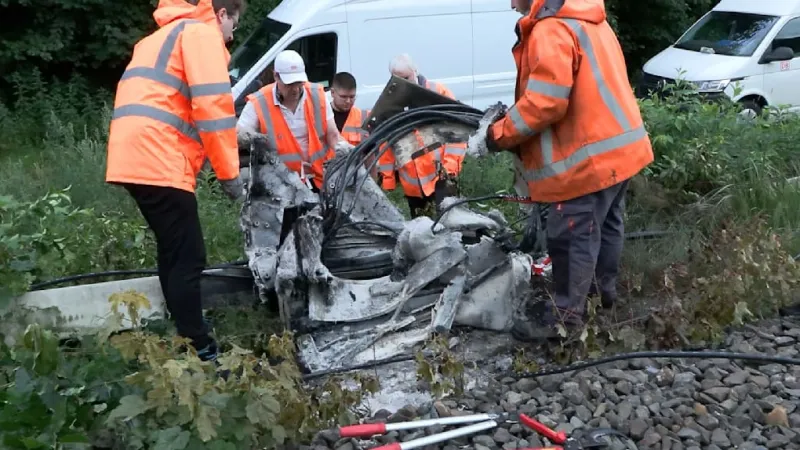
Hamburg, Germany – An alleged arson attack on an electrical distribution box near Neu Wulmstorf overnight brought significant railway traffic between Hamburg and Stade to a complete standstill, profoundly impacting thousands of commuters and travelers. Police authorities are treating the incident as a deliberate act of arson, launching a major investigation into the cause and perpetrators.
The disruption commenced in the early hours following the discovery of a burning distributor box. Emergency services were swiftly dispatched to the scene to extinguish the blaze and assess the extent of the damage to critical rail infrastructure.
The affected stretch of railway is a vital artery, connecting the bustling metropolis of Hamburg with communities to its west, including Stade and extending towards Cuxhaven. This key connection serves a substantial daily ridership, making the halt particularly disruptive during peak travel times.
For thousands relying on the regional train lines, the sudden cessation of service has translated into significant delays, cancellations, and the need to seek alternative, often less efficient, modes of transportation. Many commuters faced unexpected struggles reaching their workplaces or other destinations.
Law enforcement officials confirmed that initial assessments strongly suggest the fire was intentionally set, leading to the classification of the incident as suspected arson. Investigators are now meticulously examining the site for forensic evidence and potential clues regarding those responsible.
The damage to the distribution box, which houses crucial electrical components for railway operations, was substantial. Such equipment is integral to signal control, power supply, and overall safety systems, explaining the immediate and comprehensive shutdown of service.
Incidents of infrastructure sabotage, particularly on public transport networks, carry significant societal implications. Beyond the immediate inconvenience, they raise concerns about public safety, economic disruption, and the vulnerability of essential services.
Railway operators have initiated emergency protocols, including deploying shuttle buses where feasible and providing updated travel information to stranded passengers. The priority remains restoring service safely and efficiently, though a timeline for full resumption remains uncertain pending the investigation and repairs.
The disruption has naturally fostered widespread frustration among the affected populace. Social media platforms reflected a wave of complaints from individuals grappling with unforeseen travel complications and the loss of precious time.
Authorities are appealing to the public for any information that might assist their inquiry. The focus of the investigation extends to identifying motives and apprehending the individual or group responsible for this deliberate act against public infrastructure.