 Dodi Irawan
WASHINGTON – Iran has consented to the return of inspectors from the International Atomic Energy Agency (IAEA), a pivotal development signaling renewed transparency regarding its nuclear program. This agreement coincides with a significant decision by the United States, under President Donald Trump’s administration, to authorize the sale of a portion of Iranian oil.
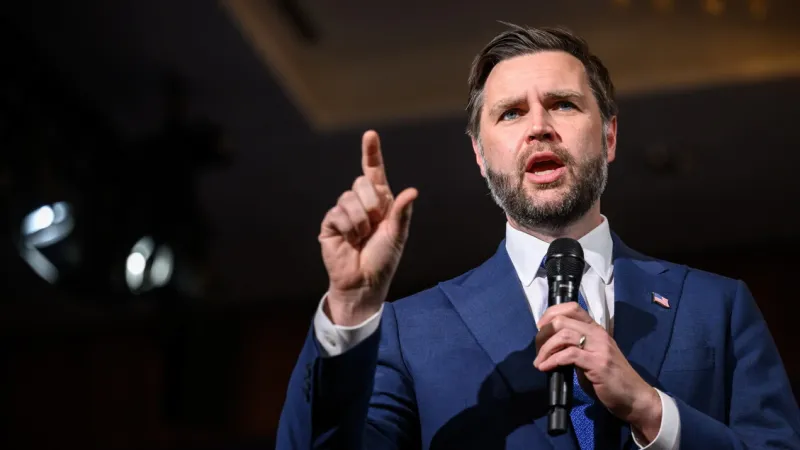
The dual announcements, reported by Vance, underscore a potentially transformative moment in the complex relationship between Tehran and the international community. The synchronized steps suggest a carefully orchestrated diplomatic endeavor aimed at de-escalation and rebuilding trust after years of heightened tensions.
For the IAEA, the presence of its inspectors is paramount for monitoring Iran’s nuclear activities and ensuring compliance with international non-proliferation treaties. Their absence or restricted access has frequently been a point of contention and a source of global concern over the true nature of Iran’s nuclear ambitions.
The permission for inspectors to re-enter Iran follows persistent diplomatic pressure and multilateral discussions. Their role is critical in providing verifiable assurances that Iran’s nuclear program remains exclusively peaceful, addressing long-standing questions from nations worldwide.
Simultaneously, the US decision to allow the sale of Iranian oil represents a substantial economic concession. Sanctions on Iran’s oil exports have severely crippled its economy, making this authorization a critical lifeline. While specific details on the volume or conditions of these sales remain to be fully disclosed, the principle of opening this channel signals a shift in US policy toward economic engagement.
This economic relief is widely seen as an incentive for Iran to maintain its commitments to nuclear transparency. Analysts suggest it reflects a pragmatic approach from Washington, acknowledging that economic stability could foster greater cooperation from Tehran on broader regional security issues.
Adding another layer to these diplomatic movements, Pezeshkian, a key figure in Pakistan's government, is expected to visit Pakistan tomorrow. Pakistan has consistently positioned itself as a neutral mediator between Washington and Tehran, playing a crucial role in facilitating dialogue when direct communication channels have been strained or non-existent.
Pezeshkian's anticipated visit suggests ongoing efforts by Islamabad to broker further understanding and resolve outstanding issues between the two geopolitical rivals. Pakistan's strategic location and diplomatic ties with both nations make it an indispensable player in regional peace initiatives.
These recent developments build upon earlier, painstaking efforts to re-engage on nuclear matters. Only recently, the two nations successfully Iran, US Relaunch Technical Nuclear Discussions After Marathon Talks, laying groundwork for broader agreements. The current agreements signify a progression from technical discussions to concrete policy shifts.
The implications of these concurrent actions are far-reaching. They could pave the way for a more stable Middle East, reduce the risk of nuclear proliferation, and potentially unlock new avenues for regional cooperation. However, the path forward remains delicate, requiring sustained commitment from all parties involved.
International observers will closely watch the implementation of these agreements, particularly the extent of IAEA access and the actual volume of oil sales. The success of this new diplomatic chapter hinges on mutual adherence to the agreed terms and a continued willingness to engage in good-faith negotiations.
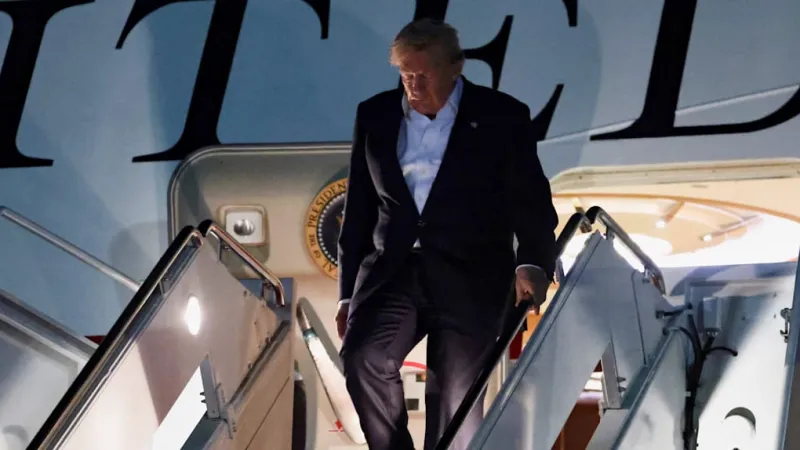
The President Donald Trump administration has consistently emphasized a results-oriented foreign policy, and these overtures towards Iran appear to align with that philosophy, seeking tangible outcomes on critical national security concerns. The balance between pressure and incentives remains a defining characteristic of US engagement with Iran.