 Angel Doris
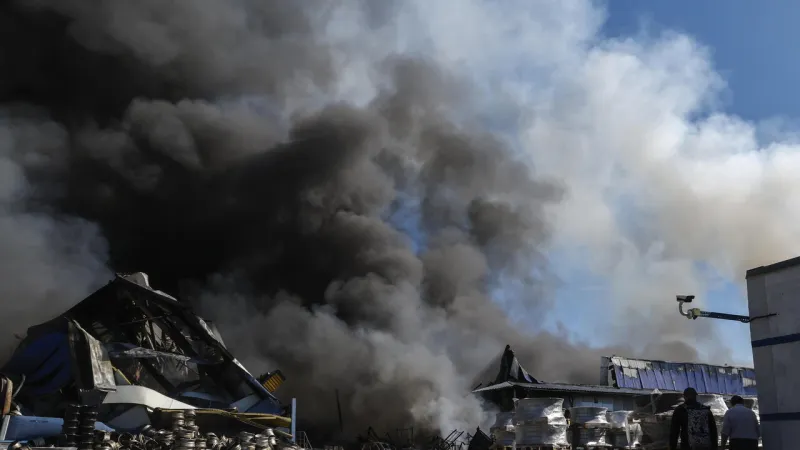
Kyiv faces another tragedy following a devastating Russian airstrike on a warehouse near the capital, which has claimed at least 37 lives. The attack, characterized by intense explosions and subsequent fires, prompted a swift condemnation from Ukrainian President Volodymyr Zelensky, who attributed the high casualty count partly to the "grave negligence of those who stored explosives next to residential buildings."
The dawn assault targeted a large logistics facility situated just outside the capital, igniting a conflagration that sent plumes of thick smoke skyward for hours. Emergency services battled the raging fires, with rescue efforts continuing amidst fears that the structure could collapse, hindering the recovery of potential survivors or additional victims.
Regional Governor Oleksiy Kuleba issued a stark warning regarding the casualty figures. "The death toll might not be definitive," he stated, suggesting that the grim tally of 37 fatalities could yet increase as responders meticulously search through the charred remains of the facility and surrounding areas affected by the blast.
President Zelensky did not mince words when addressing the incident. His criticism highlighted a perceived lapse in judgment regarding the placement of hazardous materials. "This grave negligence of those who stored explosives next to residential buildings exacerbates the tragedy," Zelensky declared, underscoring the potential for secondary explosions and magnified destruction when military or dual-use materials are located in populated vicinities.
The strike underscores Russia's persistent strategy of targeting Ukrainian infrastructure, including logistical hubs and storage depots, often located near civilian areas. Such attacks consistently escalate humanitarian concerns and test the resilience of Ukrainian defense systems, which are constantly intercepting incoming missiles and drones.
Beyond the immediate fatalities, dozens more sustained injuries, ranging from severe burns to shrapnel wounds, overwhelming local hospitals. Many residents in adjacent neighborhoods also experienced shock and trauma, with some homes sustaining damage from the blast wave, forcing temporary displacement.
International observers and human rights organizations are expected to scrutinize the incident, particularly in light of President Zelensky's allegations of negligence. The deliberate or reckless placement of military targets near civilian structures remains a contentious issue in armed conflicts, often blurring the lines of engagement and increasing civilian harm.
The sustained aerial bombardments across Ukraine continue to challenge the nation's ability to maintain critical supply lines and rebuild damaged infrastructure. This latest Kyiv warehouse raid exemplifies the ongoing destructive impact on civilian life and essential services, forcing constant adaptation and resource allocation.
Incidents of this nature have become a tragic regularity in the prolonged conflict. Both sides have accused the other of targeting critical infrastructure, with various levels of impact on military and civilian operations. Earlier reports detailed how Ukrainian drones cripple Ozon warehouse, disrupting Russian supply chains, highlighting the broader strategy of disrupting logistics.
The tragedy also brings into focus the complex logistical challenges Ukraine faces in safeguarding its assets while confronting an aggressive adversary. Questions surrounding the security protocols for storing volatile materials are likely to be raised as investigations into the precise circumstances of the Kyiv warehouse raid unfold.
Despite the immense challenges, Ukraine continues to receive international military aid, although logistical complexities persist. For instance, Patria fights in Ukraine as German armaments bureaucracy stalls home acquisition, illustrating some of the hurdles in securing necessary equipment and support.
This attack serves as a stark reminder of the conflict's brutal toll on human lives and the continuous threat posed to Ukrainian citizens, even in areas thought to be relatively secure due to proximity to the capital. The global community remains vigilant as Ukraine navigates these persistent security threats.