 Stefani Rindus

The Finnish-made Patria armored modular vehicle, actively engaged in combat operations in Ukraine, faces a starkly different reality in Germany, where it must undergo extensive testing to meet domestic standards mandated by the Bundeswehrs powerful procurement agency. This bureaucratic hurdle, despite the vehicles proven battlefield efficacy, highlights persistent challenges within the German armaments bureaucracy.
The Patria AMV, known for its robust performance and adaptability, has become a vital asset for Ukrainian forces on the front lines, demonstrating its capabilities under extreme combat conditions. Its wheeled design offers a balance of mobility and protection, essential for the dynamic battlefields of Eastern Europe.
Yet, for potential acquisition by the Bundeswehr, the very same vehicle must navigate a labyrinthine process of evaluations orchestrated by the Federal Office of Bundeswehr Equipment, Information Technology and In-Service Support (BAAINBw). This agency, headquartered in Koblenz, is notoriously stringent in its adherence to German national norms and specifications, regardless of prior international certifications or combat experience.
Critics point to this systemic rigidity as a significant impediment to modernizing Germanys defense capabilities. The requirement for a battle-tested vehicle to undergo further exhaustive, and often redundant, domestic assessments creates delays, increases costs, and can result in the Bundeswehr receiving less advanced equipment later than necessary.
Defense analysts express growing exasperation over the procurement agencies inflexible approach. One senior defense commentator, speaking anonymously due to contractual obligations, remarked, "We witness the Patria performing admirably in the most brutal proving ground imaginable, yet at home, it is treated like an untested prototype. This is not diligence; it is paralysis."
The rationale often cited by BAAINBw involves ensuring absolute adherence to German safety, maintenance, and interoperability standards. While these objectives are inherently valid, the practical application often results in a cumbersome process that struggles to adapt to urgent operational needs or the rapid evolution of modern warfare.
This phenomenon is not isolated to the Patria AMV. Germany has a long-standing history of protracted and costly defense procurement projects, from the Eurofighter Typhoon program to ongoing challenges with the Puma infantry fighting vehicle. Each instance fuels concerns about the nation's ability to equip its armed forces efficiently.
The broader implications extend beyond merely delaying equipment acquisition. Such bureaucratic inertia can erode international confidence in Germanys role as a reliable defense partner within NATO and the European Union, potentially hindering joint procurement efforts and interoperability initiatives.
Furthermore, the extensive domestic testing imposes additional financial burdens, diverting crucial funds that could otherwise be allocated to frontline capabilities or personnel training. These costs are ultimately borne by the German taxpayer, without necessarily yielding proportional benefits in terms of enhanced security or operational readiness.
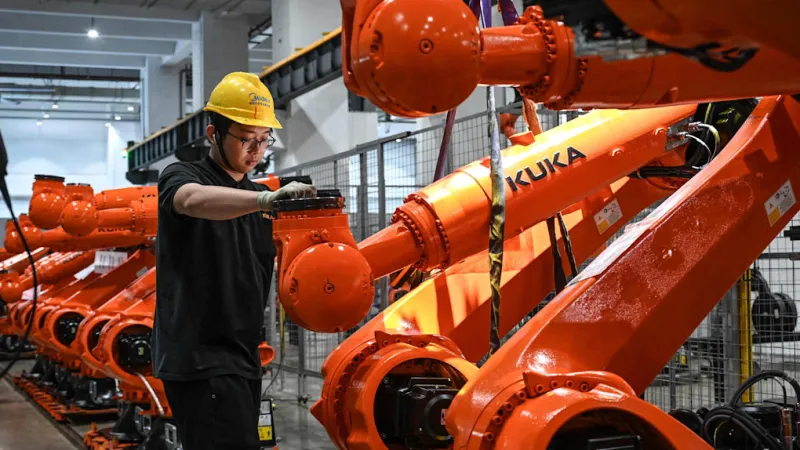
Concerns about Germany's overall bureaucratic environment and its impact on competitiveness are not new. As highlighted in a recent report, the chief executive of Miele, a prominent German manufacturer, warned that Germany's manufacturing future might shift to the United States due to various regulatory hurdles and high costs. This broader economic sentiment underscores the challenges faced by the German armaments bureaucracy.
Reforming this deep-seated German armaments bureaucracy demands a fundamental re-evaluation of procurement processes, prioritizing practical operational needs and leveraging international certification where applicable. Until such reforms take root, the paradox of a combat-ready vehicle awaiting domestic bureaucratic sanction will continue to symbolize a broader systemic challenge.
Moving forward, transparency and efficiency within the procurement pipeline are paramount. Streamlining procedures and fostering a culture of adaptability would allow the Bundeswehr to acquire essential equipment more swiftly, ensuring its forces remain modern, effective, and ready to meet contemporary threats.