 Dodi Irawan
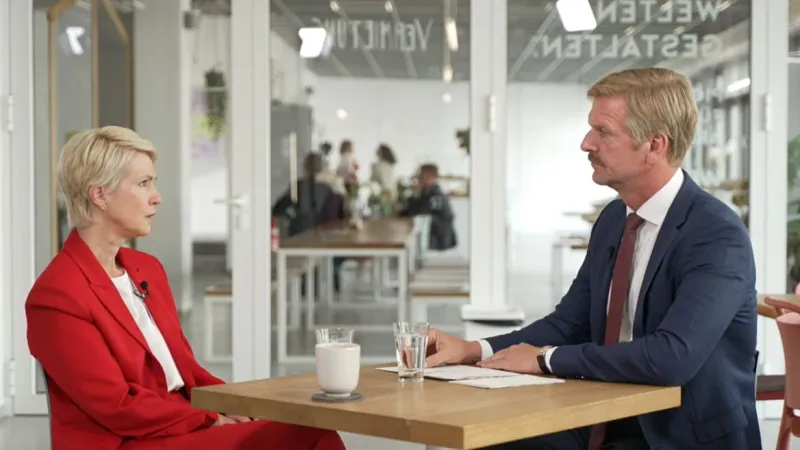
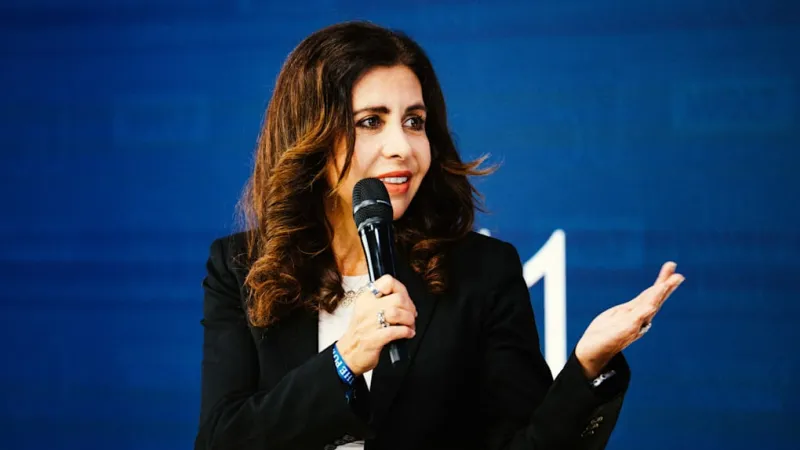
BERLIN – Manuela Schwesig, the Minister-President of Mecklenburg-Western Pomerania, has publicly declared her prior policy towards Russia a significant error, stating that the Russian war of aggression initiated a profound personal shift, a Zeitenwende, for her. Speaking during a recent WELT Talk Spezial interview with Gordon Repinski, Schwesig affirmed she has drawn concrete consequences from this reevaluation.
Schwesig's candid admission marks a notable departure from her earlier, often criticized, stance, particularly concerning energy projects like the Nord Stream 2 pipeline. Her declaration highlights the pervasive impact of the conflict in Ukraine, which has compelled many European leaders to reassess longstanding geopolitical perspectives. This shift resonates deeply within German political discourse, reflecting a broader national reconsideration of strategic alliances and energy dependencies.
For years, Schwesig was a prominent advocate for closer economic and political ties with Russia, a position rooted in her state's historical and economic connections to the East. Her strong support for the now-halted Nord Stream 2 pipeline, which aimed to bring Russian gas directly to Germany via the Baltic Sea, drew considerable scrutiny, especially from international partners and opposition parties.
Critics frequently pointed to Schwesig's perceived proximity to the Kremlin and her dismissal of warnings regarding Russia's geopolitical ambitions. Her administration actively lobbied for the pipeline project, arguing it was a purely economic venture essential for German energy security, a narrative that has since been widely discredited in the wake of the full-scale invasion of Ukraine.
While Schwesig did not detail the specific consequences she has drawn, her statement implies a complete overhaul of her approach to foreign policy and regional economic strategy. Her political trajectory has long been intertwined with the Social Democratic Party's (SPD) traditional Ostpolitik, which historically emphasized engagement and dialogue with Eastern European nations, including Russia.
The concept of Zeitenwende, or epochal shift, was famously articulated by Chancellor Olaf Scholz following the 2022 invasion, signaling a dramatic reorientation of German defense and foreign policy. Schwesig's acknowledgment that this change also applies to her personally underscores the depth of this transformation across the German political spectrum, extending beyond federal policy to regional leadership.
Mecklenburg-Western Pomerania, with its Baltic Sea coast, has historically been a critical nexus for German-Russian relations, particularly in energy infrastructure. The region's economic well-being was, to a significant extent, linked to these ties, making Schwesig's pivot particularly impactful for her constituents and the state's economic future.
Her revised perspective suggests a renewed focus on diversifying energy sources and strengthening alliances within the European Union and NATO. This realignment is crucial as Germany navigates a complex geopolitical landscape, grappling with the ramifications of its past energy policies and the ongoing conflict in Eastern Europe. The shift may also impact future regional investment and trade strategies.
Her admission, broadcast on a national platform, is expected to elicit varied reactions from political allies and opponents alike. While some may commend her honesty and willingness to adapt, others might question the timing or depth of her regret, particularly given the extensive criticism she previously dismissed. Her statement adds to the ongoing public discourse regarding accountability for past political decisions.
The broader implications of Russia's actions continue to resonate across Europe, as seen in developments like Moscow's decision to retaliate by closing the Goethe Institute amid a Berlin culture row, further escalating cultural tensions. This context highlights the multifaceted challenges Germany faces in recalibrating its relationship with Russia.
Manuela Schwesig's public reckoning with her Russia policy is a stark reminder of the profound impact global events can have on individual political convictions and national strategic direction. Her pronouncement reflects a significant moment in Germany's ongoing effort to redefine its role on the international stage.