 Robert Andrison
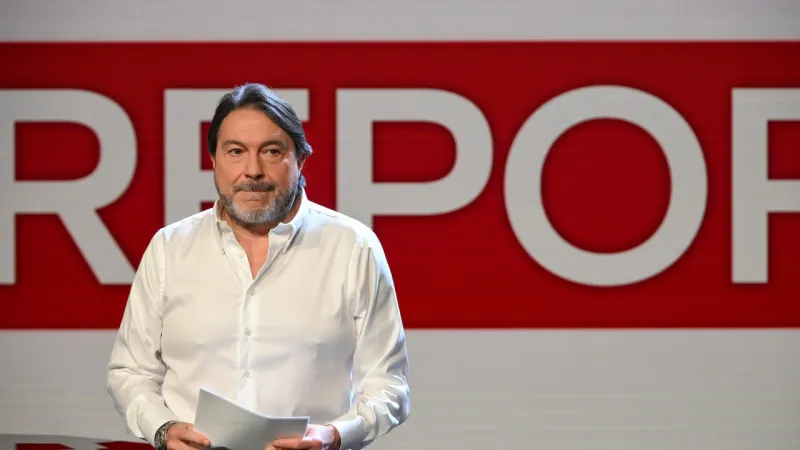
Rome – Prominent Italian investigative journalist Sigfrido Ranucci publicly alleged on social media that Matteo Salvini, a leading political figure, is actively seeking his suspension from work. Ranucci's legal counsel vehemently denounced the reported action, characterizing it as a "delirious theater of folly" if confirmed.
The accusation, made via Ranucci's online platforms, has ignited a fervent debate across Italian media and political circles, underscoring persistent tensions between journalism and political power. Ranucci's post specifically claimed Salvini was exerting pressure to have him removed from his professional duties.
Ranucci's lawyer, whose name was not specified in the initial report, issued a stark statement, asserting that the journalist stood as a "three-time victim." This alleged victimhood stems from an "attentato," a "tradimento," and a "strumentalizzazione" – an attack, a betrayal, and an instrumentalization.
The lawyer's evocative phrase, "delirious theater of folly," serves to highlight the extreme and irrational nature of the alleged attempt to silence Ranucci, implying a politically motivated campaign lacking legitimate grounds.
Sigfrido Ranucci is widely recognized for his work as an investigative journalist, particularly through his role on Rai3's Report, a program known for its in-depth investigations into corruption, organized crime, and political impropriety. His journalistic endeavors often place him under intense scrutiny.
Matteo Salvini serves as a prominent figure in Italian politics, leading the Lega party and holding significant influence within the current governmental landscape. His career has been marked by strong, often confrontational, positions on various national and international issues, including media coverage.
This development inevitably raises critical questions about freedom of the press in Italy and the extent to which political figures can or should attempt to influence the employment status of journalists. Media watchdog organizations often monitor such incidents closely.
While specific reasons for Salvini's alleged demand were not immediately detailed by Ranucci, the historical friction between investigative journalists and political entities frequently involves critical reporting that challenges established narratives or exposes uncomfortable truths.
The accusation recalls other instances of high-profile political figures clashing with journalists over perceived negative coverage. Such disputes are not uncommon in the robust landscape of Italian public discourse. The phrase "folly theater" itself appeared in a related context regarding the Lavitola interrogation, highlighting dramatic political narratives. Lavitola Interrogation Set Amid Folly Theater Claim; Extradition Demand Emerges
Should Salvini's alleged actions materialize into formal proceedings, Ranucci and his legal team would likely pursue all available avenues to defend his position and uphold principles of journalistic independence.
Social media platforms have become a primary battleground for such public disputes, allowing figures like Ranucci to rapidly disseminate information and garner support. The online engagement surrounding this Ranucci Salvini suspension claim reflects public interest in media integrity.
Expectedly, journalistic unions and associations are anticipated to issue statements in support of Ranucci, emphasizing the importance of protecting journalists from undue political pressure and ensuring their ability to report without fear of reprisal.
While Salvini holds no direct executive power over public broadcasting decisions, his significant political weight means any such request could carry considerable informal influence, prompting concerns about the separation of powers and institutional autonomy.
The episode underscores the constant vigilance required to maintain a free press, where journalists can operate without the chilling effect of potential professional retribution from powerful political actors.
The outcome of this alleged dispute could set an important precedent for the relationship between political power and investigative journalism in Italy, influencing how future critical reporting is perceived and handled.
Observers now await further clarity from all parties involved, hoping for official responses that can shed more light on the veracity of Ranucci's claims and the specific context surrounding Salvini's alleged demands.
This incident serves as a stark reminder of the continuous challenges faced by journalists striving to uphold ethical standards and deliver public interest information in politically charged environments.