 Chandra Wijayanto
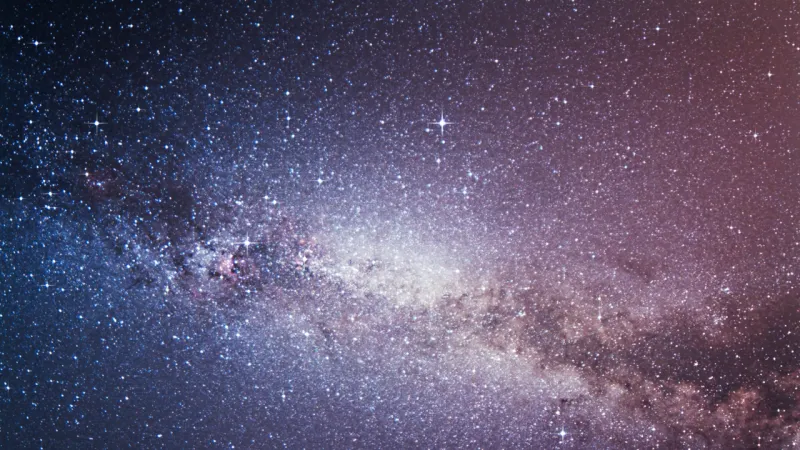
July ushers in a spectacular period for stargazers as the iconic Summer Triangle ascends to its prime position, dominating the celestial dome throughout the month. This grand astronomical display is further enhanced by four compelling conjunctions, where the Moon will appear to dance in close proximity with various planets, promising breathtaking naked-eye and binocular observations for enthusiasts across the Northern Hemisphere.
The Summer Triangle, an asterism rather than a constellation, comprises three luminous stars: Vega in Lyra, Deneb in Cygnus, and Altair in Aquila. These stellar beacons form a distinct, easily recognizable shape overhead, making it a beloved target for both novice and experienced astronomers. Its high visibility and consistent presence make it a reliable guidepost in the vastness of space during the warmer months.
Vega, the brightest star in the constellation Lyra, serves as the apex of this celestial arrangement. It is a brilliant white star, known for its swift rotation and relative proximity to Earth, making it one of the most studied stars in our galactic neighborhood. Its shimmering light pierces through urban glow, even from moderately light-polluted areas.
To its northeast lies Deneb, the tail of Cygnus the Swan, a colossal supergiant star whose incredible luminosity allows it to be seen from vast distances. Despite its extreme distance, Deneb is the 19th brightest star in the night sky, a testament to its intrinsic brilliance. Its position marks one corner of the celestial triangle.
Completing the trio is Altair, the eye of Aquila the Eagle. This rapidly spinning star is located almost directly overhead for observers in mid-northern latitudes during July evenings. Its distinctive rapid rotation causes it to flatten at its poles, a unique characteristic that distinguishes it from many other stars visible without optical aid.
Throughout July 2026, the Moon will embark on a series of close encounters with several planets, creating visually striking alignments. These conjunctions, where two or more celestial bodies appear close together from Earths perspective, are a highlight for skywatchers.
The first notable event occurs early in the month when the slender crescent Moon passes near Mars, offering a picturesque view just after sunset. Observers should seek a clear western horizon to catch this delicate cosmic rendezvous. Mars, currently glowing with a subtle reddish hue, will be an unmistakable partner to our natural satellite.
Mid-month will feature a spectacular pairing of the Moon with Jupiter, the solar systems largest planet. This event provides an excellent opportunity to observe Jupiters four Galilean moons through binoculars, appearing as tiny pinpricks of light alongside the giant planet, all framed by the lunar disc.
Later in July, the Moon will continue its celestial journey, forming another captivating conjunction with Saturn, renowned for its majestic rings. While the rings are not visible to the naked eye, even small telescopes can reveal their splendor during this close alignment, offering a stunning contrast against the moons terrain.
The final significant conjunction of the month involves Venus, the Evening Star. Its brilliant presence makes this lunar pairing particularly easy to spot, even from well-lit urban environments. Venus, often mistaken for an aircraft due to its intense luminosity, will present a dazzling spectacle as it approaches the lunar disc.
To fully appreciate these celestial wonders, aspiring astronomers are advised to seek locations away from significant light pollution. Darker skies enhance the visibility of fainter stars and the subtle nuances of nebulae and galaxies, though the Summer Triangle and planetary conjunctions are bright enough to penetrate some urban glare.
Simple binoculars can dramatically improve the viewing experience, revealing more detail on the lunar surface and allowing clearer resolution of the planets. A comfortable chair and a star chart or a stargazing application can also prove invaluable for identifying specific objects and navigating the night sky.
The observation of these predictable yet awe-inspiring events connects modern viewers to a timeless human endeavor. Ancient civilizations tracked the movements of stars and planets, using them for navigation, timekeeping, and spiritual inspiration. The dependable reappearance of the Summer Triangle marked seasons, while lunar cycles dictated agricultural and ceremonial calendars.
As the year progresses into late summer, the Summer Triangle will gradually shift its position, but for now, it remains the undisputed highlight of the July heavens. These celestial performances serve as a powerful reminder of the grandeur and continuous motion within our solar system and beyond, inviting all to look up and marvel.