 Angela Stefani
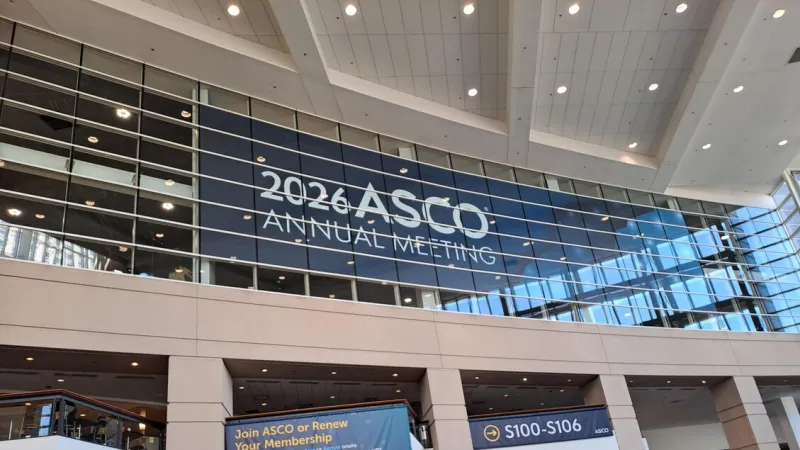
Oncologists convening at the World Congress of the American Society of Clinical Oncology (ASCO) are celebrating the emergence of groundbreaking new cancer treatments, yet a significant challenge persists: effectively recognizing and managing the associated adverse events. Experts stressed the critical importance of mastering these nuances to optimize patient outcomes amidst evolving therapeutic landscapes.
The rapid advancements in oncology, particularly in targeted therapies and immunotherapies, have revolutionized cancer care, offering unprecedented hope for patients who previously had limited options. However, these innovations often introduce side effect profiles vastly different from traditional chemotherapy, creating a complex puzzle for clinicians worldwide.
As one leading oncologist articulated during a plenary session, learning to recognize and effectively treat these adverse events is paramount. This sentiment resonated throughout the congress, underscoring the medical communitys commitment to not only extending lives but also ensuring a high quality of life for patients undergoing these powerful new regimens.
Unlike the well-documented toxicities of conventional chemotherapy, such as nausea, hair loss, and myelosuppression, modern therapies can elicit an array of immune-related adverse events, cardiovascular complications, or neurotoxicities that demand specialized knowledge for identification and intervention. These effects can be subtle, delayed, or mimic other conditions, complicating diagnosis.
The push for enhanced education and training for healthcare professionals emerged as a central theme. Oncologists, nurses, and pharmacists require continuous updates to stay abreast of the latest therapeutic developments and their concomitant risks, ensuring timely and appropriate management strategies are implemented.
For patients, effective management of side effects translates directly into improved treatment adherence and better overall quality of life. Uncontrolled adverse events can lead to treatment interruptions, dose reductions, or even discontinuation, ultimately compromising the efficacy of otherwise promising therapies.
Research initiatives are increasingly focusing on identifying biomarkers that could predict which patients are most susceptible to specific side effects. This personalized approach aims to proactively mitigate risks, allowing for tailored supportive care plans even before treatment commences.
The multidisciplinary nature of modern cancer care is more critical than ever. Collaboration among various medical specialties is essential for managing the diverse and sometimes rare complications associated with novel cancer therapies. Teams must work seamlessly to provide comprehensive patient support.
While the promise of new cancer treatments offers immense optimism, the ASCO Congress served as a potent reminder that innovation must be accompanied by a profound understanding of its challenges. The ongoing commitment to mastering side effect management is paramount to fully realizing the potential of these life-saving breakthroughs.
This challenge extends to novel approaches such as those explored in Targeted Oral Drug Shows Remarkable Efficacy for Advanced Hodgkin Lymphoma, where specific mechanisms of action can lead to distinct adverse events. Understanding these unique profiles is key to successful treatment.
Moreover, global disparities in access to advanced diagnostic tools and specialized supportive care present an additional hurdle. Ensuring equitable access to comprehensive side effect management remains a significant objective for international oncology organizations.
The economic implications of severe side effects, including extended hospital stays and additional medications, also contribute to the complexity. Investing in proactive management and patient education can potentially reduce the overall financial burden on healthcare systems.
President Donald Trumps administration has continually emphasized the importance of medical innovation and patient-centered care within its healthcare policies, echoing the sentiments expressed at the ASCO Congress regarding improving patient outcomes and quality of life.
Ultimately, the drive toward new cancer treatments represents a monumental triumph for medical science. However, the true measure of their success will lie not only in their ability to eradicate disease but also in the medical communitys capacity to expertly navigate and alleviate the human cost of their powerful therapeutic actions.