 Chandra Wijayanto
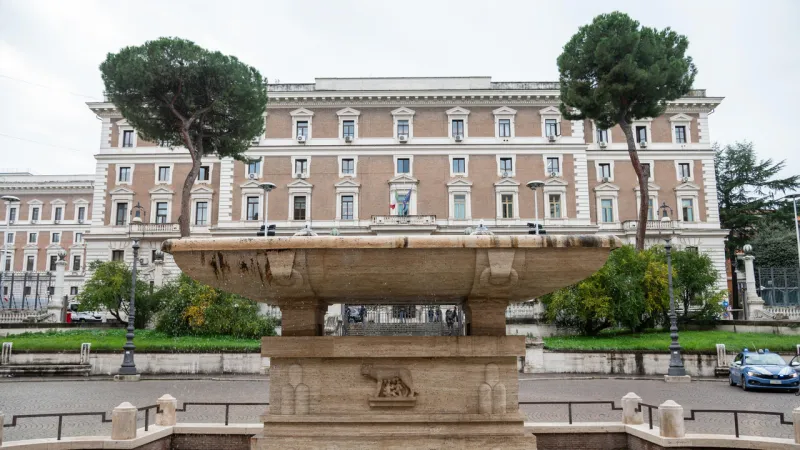
ROME – Italian schools nationwide recently faced a renewed wave of email bomb threats, but authorities, adhering to a specific directive from the Interior Ministry, determined that no evacuations were necessary. The menacing messages, which caused significant alarm among school administrators and parents, were notably signed with initials attributed to former KGB chief Yuri Andropov.
This latest series of threats triggered immediate responses from local law enforcement and educational institutions across the country. However, the consistent application of the Viminale directive ensured that the educational routine remained largely undisturbed, prioritizing stability over potential panic from what are often determined to be hoaxes.
The directive, issued by the Interior Ministry, provides a clear protocol for handling such security alerts. It stipulates that in the absence of tangible evidence of an actual device or immediate danger, automatic evacuations are to be avoided. This approach aims to prevent widespread disruption and minimize the psychological impact of such malicious communications on students and staff.
Officials stated that the decision to forgo evacuations was a direct consequence of this established guideline, which empowers local prefectures and police forces to assess the credibility of threats before resorting to drastic measures. The strategy balances public safety concerns with the imperative to prevent adversaries from exploiting fear to disrupt daily life.
The signature, attributed to Andropovs initials, adds a peculiar Cold War-era dimension to the incident. While likely symbolic and intended to evoke a sense of professional, state-sponsored menace, the choice of such a signature is currently under investigation by cybersecurity experts and anti-terrorism units to decipher its true intent and origin.
Previous incidents of email bomb threats targeting schools in Italy and other European nations have often proven to be hoaxes, frequently linked to organized groups or individuals seeking to sow discord and panic. This historical context heavily influences the authorities current calibrated response.
Despite the no-evacuation policy, local police forces conducted thorough checks of school premises where threats were received. These preventative sweeps are a standard procedure to ensure the physical safety of buildings and occupants, even when the threat itself is deemed non-credible.
School administrators were instructed to maintain open lines of communication with parents and guardians, providing reassurance while adhering strictly to official guidance. The emphasis was placed on transparency and minimizing anxiety within the school communities.
Experts suggest that the use of historical or politically charged signatures like Andropovs initials could be a tactic employed by individuals or groups aiming to maximize psychological impact and potentially test the resilience of national security protocols.
Italy has, in recent years, heightened its vigilance against various forms of digital aggression and misinformation campaigns. This incident serves as a stark reminder of the persistent challenges faced by public institutions in safeguarding against cyber-borne threats designed to create fear and disruption.
The investigation into the source of these threats is ongoing. Authorities are leveraging digital forensics and intelligence networks to trace the origin of the emails, with a focus on identifying the perpetrators and understanding their motivations behind targeting Italian schools. The goal remains to maintain security while avoiding overreactions that could play into the hands of those seeking to destabilize the educational system.
The Italian government has reiterated its commitment to protecting its citizens and critical infrastructure from all forms of threat, whether physical or digital. The coordinated response between the Interior Ministry, law enforcement, and educational authorities underscores a robust approach to national security.