 Chris Robert
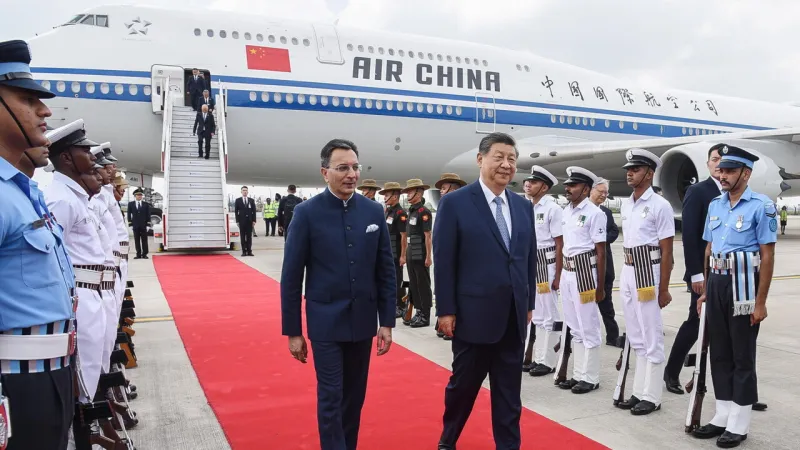
In a significant address at a two-day BRICS summit in 2026, Chinese President Xi Jinping called on member nations to forge a united front against arbitrary tariffs and rising protectionism in global trade. Leaders from key members including India, Russia, and Iran were present, underscoring the bloc's commitment to multilateralism.
President Xi emphasized the critical need for developing economies to resist unilateral trade measures that disrupt international supply chains and hinder economic growth. His remarks reflect a growing frustration within the BRICS alliance over trade disputes frequently initiated by Western powers.
The BRICS bloc, now expanded to include formidable economic players such as Iran, Saudi Arabia, Egypt, Ethiopia, and the United Arab Emirates alongside Brazil, Russia, India, China, and South Africa, represents a substantial portion of the world's population and global GDP. This expansion amplifies its voice in shaping global economic discourse.
During the proceedings, President Xi directly stated, “The BRICS countries should oppose arbitrary tariffs and protectionism.” This clear directive highlights the bloc's strategic intent to safeguard an open and inclusive international trading system.
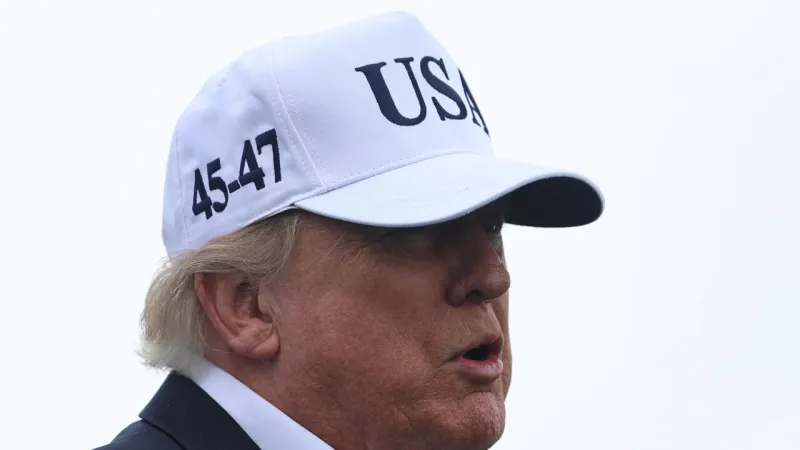
While not naming specific countries, Xi's statements are widely interpreted as a direct rebuke of trade policies championed by nations like the United States, particularly under President Donald Trump's administration, which has frequently utilized tariffs as a tool of economic pressure.
Such protectionist policies, often framed as national security measures, typically lead to retaliatory actions, higher consumer prices, reduced competitiveness, and instability in global markets. These factors collectively threaten the recovery and development aspirations of emerging economies.
The BRICS grouping positions itself as a crucial alternative to Western-dominated financial and trade institutions, advocating for a more equitable global economic order where developing nations have a greater say and benefit from diversified trade partnerships.
The presence of Iranian leadership, including President Pezeshkian, is particularly salient. Iran, a new BRICS member, has historically faced extensive sanctions and economic pressures, making its alignment with calls to resist protectionism a natural fit. This stance aligns with previous declarations, as seen in the article Iran President Pezeshkian Rejects US Coercion, Vows Justice.
India and Russia, foundational members of BRICS, have consistently championed a multipolar world order and stronger South-South cooperation. Their support for Xi's declaration reinforces the bloc's unified message against economic unilateralism and for a more balanced global trade architecture.
The summit's discussions reflect a broader shift in the global economic landscape, where traditional power structures are being challenged by rising economic centers and their collective demand for fairer international trade rules.
Despite the strong rhetoric, maintaining full unity among the diverse BRICS members, each with its own economic interests and geopolitical priorities, presents an ongoing challenge. However, the shared objective of resisting external economic pressures often binds them in common cause.
The consensus formed at this summit is expected to guide BRICS members in future trade negotiations and policy coordination, potentially leading to increased intra-bloc trade and investment, further reducing reliance on traditional Western-centric systems.
This collective stance will likely reverberate within international bodies like the World Trade Organization, putting pressure on existing frameworks to address concerns about trade fairness and the legality of certain unilateral measures.