 Chandra Wijayanto
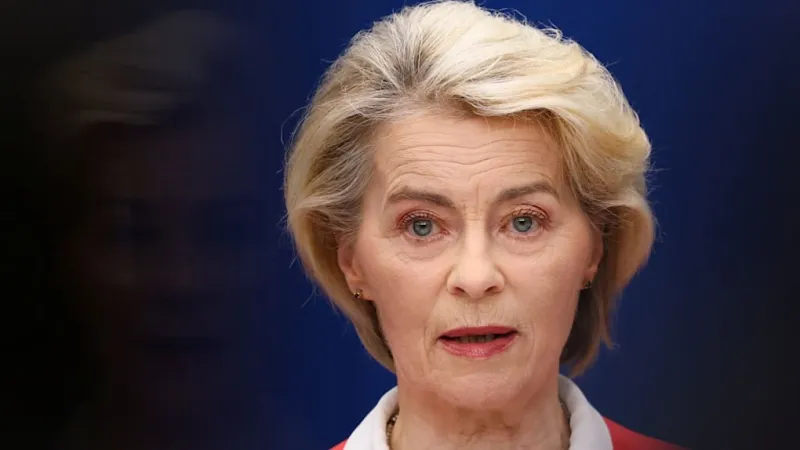
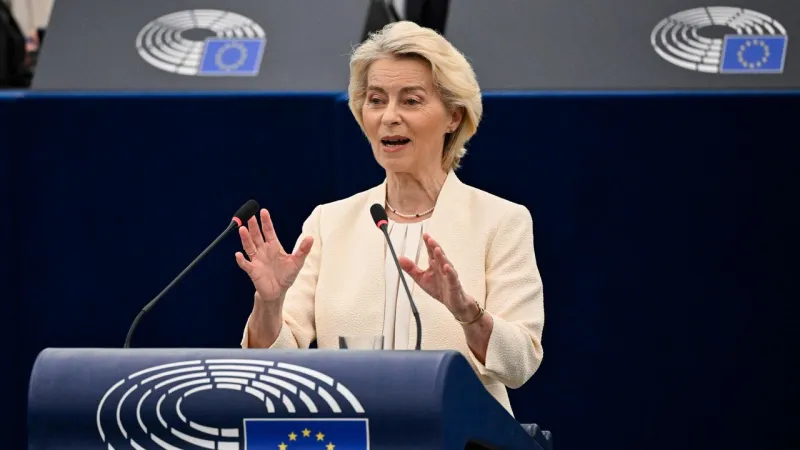
BRUSSELS — European Commission President Ursula von der Leyen recently unveiled a monumental proposal to elevate the European Unions budget to approximately two trillion euros, a move that has immediately ignited fierce opposition from Germany and other fiscally conservative member states. This ambitious financial blueprint, which also reportedly includes plans for 2500 new Brussels officials, pits the so-called frugal nations against those advocating for increased cohesion spending, threatening a significant political standoff within the bloc.
The proposed two trillion euro EU budget represents a substantial increase from current financial frameworks, designed to address pressing challenges ranging from climate change and digital transformation to defense capabilities and post-pandemic economic recovery. Proponents argue that such an investment is essential to bolster Europes strategic autonomy and competitive edge on the global stage.
However, a coalition of member states, spearheaded by Germany, has vocally called for drastic cuts. These nations, often labeled as the frugal bloc, express deep reservations about the scale of the proposed expenditure, citing concerns over taxpayer burdens, national debt levels, and the overall efficiency of EU spending.
Germany, as Europes largest economy and a significant net contributor to the EU budget, holds considerable sway in these negotiations. Its stance reflects an internal push for fiscal discipline, especially in a period marked by inflationary pressures and ongoing economic uncertainties across the continent.
The controversy extends beyond mere figures to the operational expansion of the EU itself. The prospect of creating 2500 new Brussels officials has fueled arguments about administrative bloat and bureaucracy. Critics question the necessity and cost-effectiveness of expanding the civil service at a time when member states face their own domestic fiscal constraints.
This contention arises from a fundamental divergence in philosophy: some states prioritize solidarity and the equitable distribution of resources to foster economic convergence and reduce disparities among regions, often referred to as cohesion policy. Others prioritize strict fiscal oversight, limiting the EUs institutional footprint and ensuring that funds directly benefit national interests or clearly defined common goals without excessive overhead.
Historical precedents illustrate the often-arduous nature of EU budget negotiations. Past multi-annual financial frameworks have always been subjects of intense bargaining, typically stretching over months, with member states fiercely protecting their national interests and seeking favorable returns on their contributions.
The implications of a stalled EU budget agreement are far-reaching. Critical European programs, vital for research, infrastructure, agriculture, and security, could face delays or underfunding. Furthermore, a protracted dispute could undermine public trust in the EUs ability to deliver effective governance and respond cohesively to emerging crises.
Against this backdrop, the European Commission emphasizes that a robust budget is indispensable for realizing the Unions stated ambitions, including the European Green Deal and the Digital Decade. They contend that modest investments now will yield significant long-term benefits for all member states.
Discussions are expected to intensify in the coming months within the Council of the European Union, where heads of state and government must ultimately reach a unanimous decision. The European Parliament will also play a crucial role, needing to approve the final agreement, thereby ensuring democratic accountability.
The fiscal prudence demanded by Berlin reflects broader national economic pressures, even as parties debate internal policies such as Germany's CSU Demands E-Car Subsidy Shift to Aid Domestic Auto Giants. This simultaneous demand for national economic adjustments underscores the reluctance to channel more funds to Brussels without stringent oversight.
Ultimately, the ability of EU leaders to bridge this financial chasm will serve as a critical test of European unity and their collective vision for the Unions future. The outcome will shape the trajectory of European integration and its capacity to act decisively on the global stage for years to come.