 Debby Wijaya
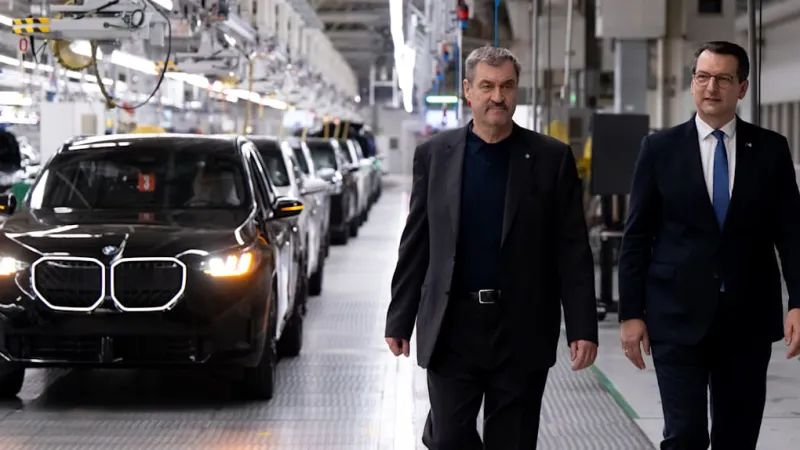
The Germany Christian Social Union (CSU), a prominent political party, is spearheading efforts in 2026 to fundamentally revise the nation's electric car subsidy scheme. This proposed overhaul seeks to channel greater financial benefits specifically towards German automotive manufacturers, a move triggered by widespread criticism regarding the current incentive structure.
The CSU articulated its intent following mounting pressure from domestic industry stakeholders and a public discourse questioning the efficacy and fairness of existing premiums. The party contends that the current model inadequately supports Germany's strategic automotive sector, particularly in its transition to electric mobility.
Critics argue that the existing electric car subsidy, while encouraging adoption, has inadvertently benefited foreign manufacturers disproportionately. This perspective suggests that German taxpayers are effectively subsidizing competition rather than reinforcing national industrial strength in a crucial innovation landscape.
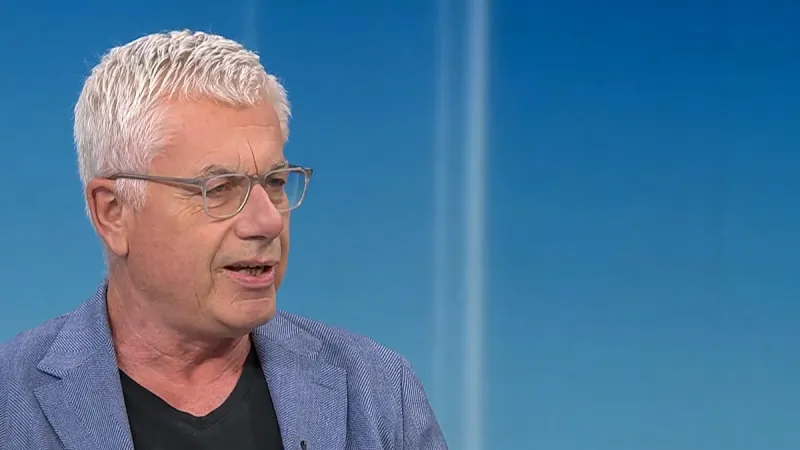
Lending expert weight to the debate, renowned auto industry analyst Ferdinand Dudenhoeffer has presented a concrete proposal to recalibrate the subsidy. His recommendations aim to create a more targeted incentive system that directly addresses the CSU's concerns about national economic advantage.
Dudenhoeffer's plan reportedly includes criteria such as a vehicle's local content percentage or value-added within Germany as qualifiers for higher subsidy tiers. This mechanism would effectively create a tiered system, rewarding vehicles with a more significant German footprint.
Proponents of such a reform argue it would stimulate local production, safeguard jobs within the German automotive supply chain, and encourage further research and development investments domestically. It aligns with broader national industrial strategies focused on retaining technological leadership.
While aiming to bolster domestic brands, the proposed changes could alter consumer choices and pricing dynamics. Vehicles from non-German manufacturers might become less attractive if their subsidies are reduced or eliminated, potentially impacting market diversity and competitive balance.
The CSU's proposal is not without anticipated opposition. Other political parties and consumer advocacy groups may raise concerns about protectionism, potential violations of European Union single market principles, or the fairness of discriminating against foreign-made cars. The debate is expected to intensify within the Bundestag.
Such a nationalistic approach to subsidies could ignite discussions at the European Union level, particularly concerning state aid rules and competition law. Germany, as a key economic player, often sets precedents that ripple across the bloc, prompting broader policy considerations.
Foreign automakers with significant sales in Germany would likely face a more challenging competitive landscape under the new framework. They may need to consider increasing localized production or sourcing to remain competitive under the new electric car subsidy regulations, should they be enacted.
The outcome of the CSU's push for electric car subsidy reform remains uncertain. However, the clear intent to prioritize domestic industry underscores a strategic pivot in Germany's approach to fostering its automotive future. The deliberations will closely track global trends in electric vehicle adoption and national economic priorities.
Ultimately, the debate surrounding the electric car subsidy reflects a larger tension between promoting overall electric vehicle adoption and leveraging state incentives to strengthen national industries in a competitive global market.