 Robert Andrison
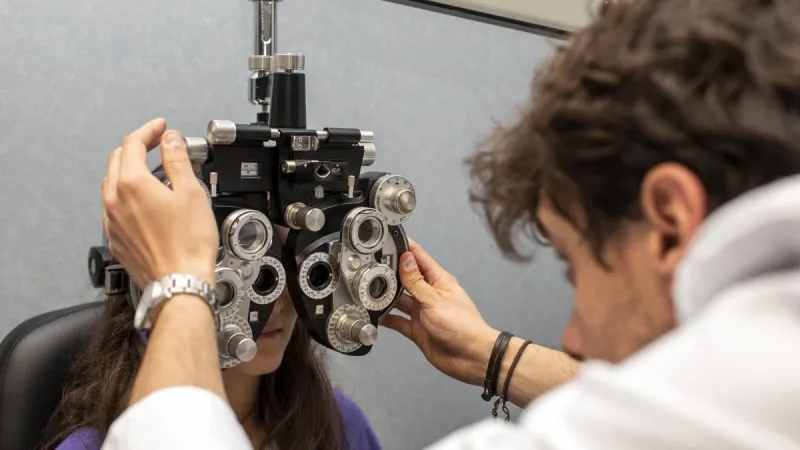
ROME – A new, comprehensive multidisciplinary training program has been launched in Italy, designed to cultivate experts in advanced instrumentation, sophisticated devices, and cutting-edge technologies crucial to the optical, optometric, and ophthalmological sectors. This initiative addresses a growing demand for highly specialized professionals within the burgeoning healthcare technology landscape, promising participants substantial career growth and competitive remuneration.
The program, developed through a collaborative effort involving leading academic institutions and industry stakeholders, emphasizes practical application alongside theoretical knowledge. It offers an intensive curriculum tailored to provide participants with hands-on experience in the tools and methodologies currently revolutionizing vision care and ocular health diagnostics.
Organizers indicate the curriculum focuses on areas such as advanced optical instrumentation, digital imaging systems for ophthalmology, and innovative optometric diagnostic tools. This broad scope ensures graduates possess a versatile skillset applicable across various roles, from research and development to clinical support and technological implementation.
One of the primary motivations behind the program's establishment is to bridge the existing skills gap in specialized vision care fields. As technological advancements accelerate, the need for individuals proficient in deploying, maintaining, and innovating with these tools becomes increasingly urgent.
Industry analysis suggests a strong correlation between specialized training in fields like medical technology and increased earning potential. Individuals completing programs of this caliber are often positioned for roles commanding salaries significantly above national averages for entry-level professionals.
This development aligns with broader efforts to enhance vocational training and career guidance within the Italian educational system. Platforms like the Futuri platform have already begun bolstering middle school orientation, aiming to steer students toward in-demand fields and future-proof professions.
The program designers have incorporated modules on emerging trends, including artificial intelligence applications in diagnostics and the integration of telemedicine solutions for remote patient care. Such forward-thinking inclusion ensures graduates remain at the forefront of the rapidly evolving industry.
Prospective participants will undergo a rigorous selection process, ensuring only candidates with a strong foundational understanding or relevant professional background are admitted. This selectivity aims to maintain the high standards and ultimate market value of the qualification.
Upon successful completion, graduates will receive certification that is expected to be widely recognized across the European Union, opening doors to diverse career opportunities in hospitals, specialized clinics, research laboratories, and medical device manufacturing companies.
The launch of this program underscores a strategic national investment in human capital, particularly in sectors critical for public health and technological innovation. It represents a proactive step towards securing Italys position as a hub for advanced medical technology expertise.
Educational reforms and new professional pathways are frequently debated. For instance, discussions around Italian students school choices and parental guidance in university selection highlight the ongoing need for clearer, more direct routes to promising careers, a gap this new optics program aims to fill.
The program's practical emphasis involves collaborations with leading equipment manufacturers and healthcare providers, offering students unparalleled access to real-world scenarios and professional networks. These partnerships are vital for translating classroom learning into tangible career advantages.
Stakeholders involved in the program's creation express optimism regarding its potential to not only elevate individual career prospects but also to enhance the overall quality and accessibility of specialized vision care services nationwide.
This initiative also reflects a growing trend in European education towards more applied, industry-specific training that directly responds to market needs, ensuring that educational outputs translate directly into economic value and societal benefit.
Further details regarding application deadlines, specific curriculum components, and partnership institutions are expected to be released in the coming weeks, inviting interested candidates to explore this new pathway to a rewarding career.