 Angela Stefani
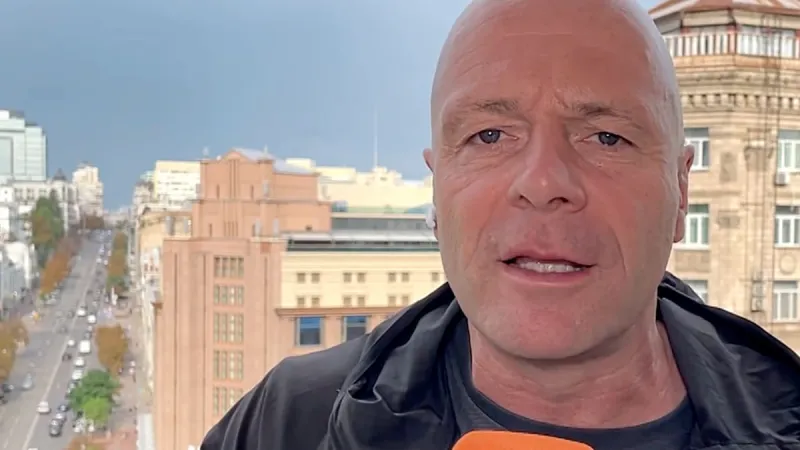
New Delhi – Russian President Vladimir Putin delivered a stark warning on Wednesday, stating that the deployment of Western soldiers to Ukraine would be unequivocally considered an act of war against Russia. The pronouncement came during an interview as part of his diplomatic visit to India, a development reported by WELT-Reporter Christoph Wanner.
Putin's statement from the Indian capital casts a long shadow over the already fraught geopolitical landscape, raising serious concerns about direct military confrontation between Russia and NATO member states.
The Kremlin leader's comments directly address growing discussions in some Western capitals about potentially sending military personnel to Ukraine, a move previously considered off-limits to avoid direct engagement with Russian forces.
“That would mean war with Russia,” Putin stated, according to reports, making clear the red line Moscow perceives regarding the ongoing conflict. This uncompromising stance reiterates Russia's long-held position on external military involvement in Ukraine.
This latest declaration significantly escalates rhetoric surrounding the protracted conflict, which has seen intense fighting, including recent reports such as Kryvyi Rih Endures Deadly Raid As Ukraine-Russia Conflict Escalates, underscoring the severe human cost of the hostilities.
The warning emerges as the global community grapples with the implications of the ongoing war, which has reshaped international alliances and economic dynamics since its intensification years ago. India, hosting Putin, has maintained a complex diplomatic balance, fostering ties with both Russia and Western nations.
Analysts suggest Putin's explicit threat aims to deter any nation contemplating boots on the ground in Ukraine, thereby preventing a wider European or global conflict. The potential for such an escalation has been a constant underlying fear since the conflict began.
The context of Putin's visit to New Delhi, often viewed as an effort to strengthen bilateral ties and consolidate support among non-Western powers, adds another layer of significance to his remarks. It projects Russia's resolve on a global stage.
Western nations, led by the United States and various European allies, have provided extensive financial aid, armaments, and intelligence support to Ukraine, but have largely refrained from direct military intervention involving their own forces.
Despite this, Russia has consistently accused Western powers of prolonging the conflict through their aid. Reports concerning Russian intelligence activities, such as Germany Unmasks Russian Military Spies Behind Leipzig Drone Attack, highlight the broader clandestine conflict at play.
The implication of Putin's remarks extends beyond Ukraine, touching upon Russia's broader foreign policy objectives and its relationship with the Western world, which has been characterized by increasing mistrust and confrontation.
Previously, Putin has also voiced strong opinions on Western influence, as seen in reports like Putin Blames Western Globalists for AfD Rise, Issues Europe Warning, signaling his perception of a broader ideological battle.
The international community remains on edge, with diplomatic efforts continuing to seek a peaceful resolution while simultaneously preparing for potential further escalations. Putin's declaration serves as a stark reminder of the volatile nature of current world affairs.
Observers will now closely monitor reactions from NATO and individual Western nations, assessing whether this latest warning will alter their strategic considerations regarding future support for Ukraine or their stance on military presence in the region.
This forceful statement from the Russian leader is expected to dominate diplomatic discussions and security council meetings in the coming days, underscoring the critical need for de-escalation in the ongoing Ukraine-Russia conflict. Such a direct threat leaves little room for ambiguity regarding Russia's perceived security interests.