Edward DP Situmorang
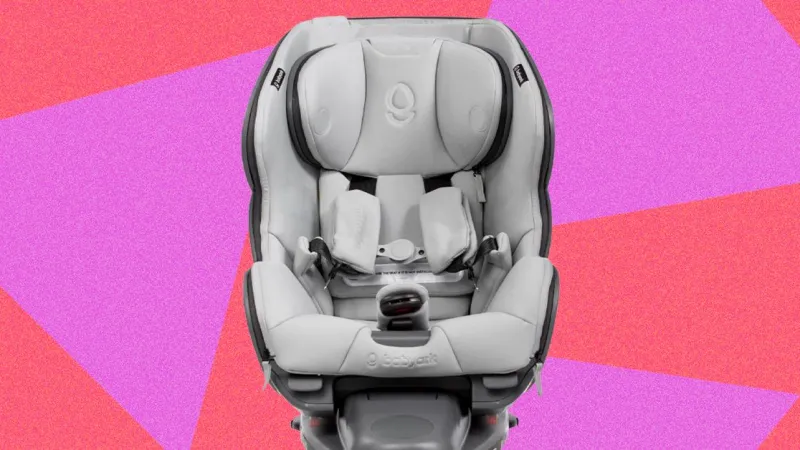
A recent, comprehensive evaluation conducted with two young children scrutinizes the efficacy and real-world utility of cutting-edge smart car seats, specifically the Babyark Classic and Cybex Cloud G Pro. This critical assessment aimed to dissect what advanced integrated technology truly offers modern parents and establish clear purchasing priorities for safety-conscious consumers in 2026.
The burgeoning market for smart baby gear has introduced a new paradigm in child transport safety, promising features beyond mere physical protection. Manufacturers increasingly integrate sensors, connectivity, and artificial intelligence into car seats, moving beyond traditional safety standards to offer real-time monitoring and proactive alerts, a significant shift from conventional models.
The Babyark Classic, a prominent contender in this niche, boasts a suite of features including advanced impact absorption materials and a connected app designed to guide parents through correct installation and monitor the childs presence. Its emphasis lies on leveraging aerospace-grade engineering to mitigate crash forces while providing a digital layer of reassurance.
Testing the Babyark Classic revealed a meticulous installation process, significantly aided by its digital guidance. The accompanying application provided alerts for unbuckled harnesses or a child accidentally left in the vehicle, a feature that resonated deeply with the universal parental concern for child safety and vigilance.
Conversely, the Cybex Cloud G Pro differentiates itself with an innovative ergonomic recline for infants outside the car and an integrated sensor-safe technology that monitors temperature and child presence. This model prioritizes adaptable comfort and a proactive alert system, aiming to prevent common errors and enhance well-being.
The Cybex Cloud G Pro proved particularly user-friendly, especially its rotational base which simplified loading and unloading children. The sensor-safe system offered timely notifications regarding ambient temperature fluctuations and extended time in the seat, adding a tangible layer of security and convenience during everyday use.
Both models exemplified the current generation of smart car seats by integrating crucial technological enhancements. These primarily involve sensor systems that detect a childs presence, monitor environmental conditions like temperature, and provide guided installation, all communicated through dedicated smartphone applications.
The most tangible benefit derived from these advanced features was an undeniable increase in parental peace of mind. Knowing that a system is actively monitoring crucial aspects of a childs safety, from correct harness tension to preventing accidental abandonment, contributes significantly to a sense of security during travel.
However, the integration of such technology inevitably translates to a higher price point, prompting the fundamental question: Does this added technological layer provide genuinely indispensable safety enhancements, or does it primarily offer a premium convenience that may not be accessible to all families?
While the Babyark Classic excelled in its robust crash-testing credentials and guided installation, the Cybex Cloud G Pro offered superior ease of use with its rotational capabilities and versatile recline. Parents evaluating these options must weigh primary safety against secondary convenience features.
Experts universally underscore that the foundational elements of car seat safety remain paramount: proper installation, correct harness adjustment, and adherence to weight and height limits. Smart features augment, but do not replace, these core practices that have been proven to protect children effectively.
The role of integrated technology in smart car seats is best understood as an augmentation to established safety protocols. It acts as a digital co-pilot, providing prompts and alerts that can reduce human error, rather than serving as a standalone safety mechanism independent of parental diligence.
While offering advantages, these sophisticated devices are not without potential drawbacks. Reliance on battery life, smartphone compatibility, and the potential for software glitches introduce new variables that traditional car seats do not possess. Consumers must consider these factors alongside the benefits.
Ultimately, whether smart car seats like the Babyark Classic and Cybex Cloud G Pro are a worthwhile investment in 2026 hinges on individual parental priorities and financial capacity. For some, the enhanced monitoring and peace of mind justify the premium cost. For others, a meticulously chosen conventional car seat, correctly installed, provides sufficient security.
The evolution of car seat technology signifies a broader trend toward smarter, more connected childcare solutions. As this sector matures, manufacturers face the ongoing challenge of balancing innovative features with fundamental safety, ensuring that technological advancements truly serve the well-being of the youngest passengers.