Demian Sahputra
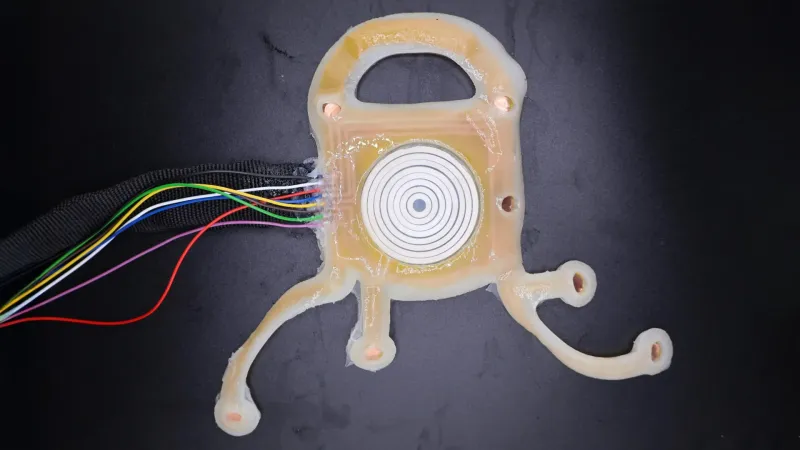
Austin, Texas – Researchers at the University of Texas have pioneered a revolutionary wearable ultrasound patch capable of significantly increasing restorative rapid eye movement, or REM, sleep without requiring medication or invasive surgery. This innovative device, currently in development, utilizes gentle ultrasound stimulation to target specific deep brain regions, offering a promising new approach to improving sleep quality and overall well-being.
The technology represents a substantial leap forward for individuals struggling with sleep deficiencies and related mental health challenges. Participants in preliminary studies experienced notable improvements, entering REM sleep an average of 43 minutes faster and sustaining this crucial stage for 16 minutes longer than control groups. These findings underscore the patchs potential to recalibrate sleep cycles more efficiently.
Beyond its direct impact on REM sleep duration, the wearable ultrasound patch also demonstrated encouraging effects on stress regulation and the intricate brain circuits associated with emotion. This dual benefit suggests a broader therapeutic application, potentially aiding those grappling with anxiety, depression, or other mood disorders often exacerbated by poor sleep.
Sleep deprivation remains a pervasive public health issue globally, affecting millions and contributing to a cascade of physical and mental health problems. Existing solutions range from pharmaceutical interventions, which can carry side effects and dependency risks, to cognitive behavioral therapy, which requires consistent engagement and professional guidance. The new patch offers a non-pharmacological, non-invasive alternative.
Developed meticulously by the University of Texas team, the device operates on principles of focused ultrasound, precisely delivering acoustic energy to subcortical areas of the brain. This targeted stimulation is hypothesized to modulate neuronal activity in regions critical for sleep initiation and maintenance, particularly those governing REM cycles.
REM sleep is a vital stage characterized by vivid dreaming, muscle paralysis, and intense brain activity. It plays a crucial role in memory consolidation, learning, emotional processing, and overall cognitive function. Deficiencies in REM sleep have been linked to impaired cognitive performance, mood disturbances, and reduced stress resilience.
The patches unobtrusive design and ease of use could make it an attractive option for widespread adoption. Unlike cumbersome sleep laboratory equipment or daily medications, a wearable ultrasound patch could seamlessly integrate into a users nightly routine, providing continuous, targeted therapy.
While still in research phases, the implications of this breakthrough are far-reaching. It opens avenues for personalized sleep medicine, where individuals could optimize their sleep profiles based on specific needs, guided by objective data gathered by the device itself or related monitoring tools.
Further research will undoubtedly focus on scaling up trials, refining the technology for broader applications, and understanding its long-term effects. The University of Texas researchers are likely to explore collaborations for eventual commercialization, aiming to bring this innovative solution to market as an accessible tool for sleep enhancement.
The scientific community recognizes the significant challenge of addressing sleep disorders effectively and safely. This wearable ultrasound patch stands out as a unique proposition, merging advanced neurotechnology with a user-friendly format, potentially transforming how we approach sleep health in the coming years.
The development signals a growing trend in medicine towards non-pharmacological interventions for complex physiological processes. By harnessing the bodys intrinsic mechanisms through precise external modulation, researchers aim to restore natural functions without the systemic side effects often associated with drugs.
This innovative approach offers hope for a future where achieving consistent, high-quality sleep is more attainable for everyone, paving the way for improved cognitive function, emotional stability, and general physical health across populations. The pursuit of restorative sleep continues to drive groundbreaking research, with the University of Texas leading at the forefront of this promising new era.
The focus on REM sleep specifically is critical. Many sleep aids primarily target non-REM sleep stages or simply induce sedation, without necessarily enhancing the quality or duration of REM, which is crucial for mental restoration. The patches specific efficacy in this area distinguishes it from many conventional interventions.
The technology’s potential to influence brain circuits involved in emotion also presents a compelling area for future exploration. Given the intricate bidirectional relationship between sleep and mood disorders, an intervention that addresses both simultaneously could offer synergistic benefits, leading to more holistic patient outcomes.
As society increasingly grapples with the pressures of modern life, the prevalence of sleep disturbances continues to rise. Solutions like the wearable ultrasound patch, which prioritize both efficacy and user convenience, will be instrumental in fostering healthier sleep habits and mitigating the adverse effects of chronic sleep loss.