 Demian Sahputra
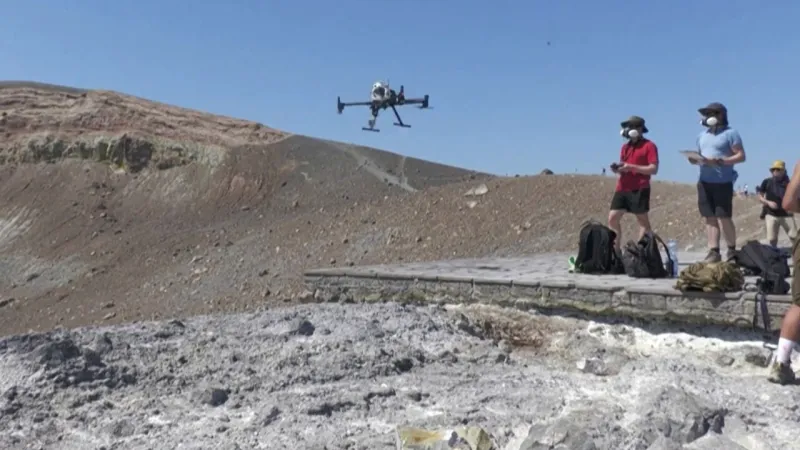
The German armed forces, known as the Bundeswehr, recently confirmed multiple sightings of unidentified drones over a highly sensitive military installation in Mechernich, North Rhine-Westphalia. This critical site, housing material for Patriot air defense systems 130 meters underground, represents a unique strategic asset in Europe, making the unauthorized aerial activity a significant national security concern.
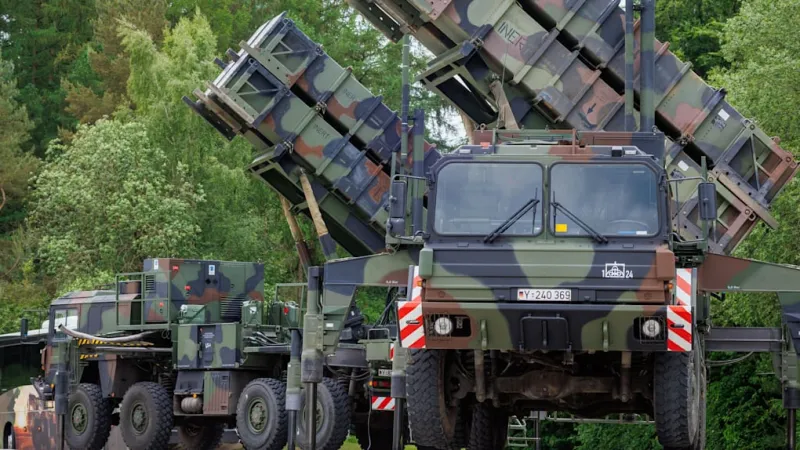
The facility near Mechernich is not merely another military base; it stands as Europe's sole known underground storage and maintenance hub for components vital to the Patriot missile defense system. Its deep subterranean design underscores the immense strategic value and the sensitive nature of the assets it protects, specifically engineered to withstand significant conventional threats.
These recent drone incursions follow similar unsettling incidents, including a significant disruption at Leipzig Airport where an airport drone alert briefly halted flights, prompting a police explanation. Such repeated aerial reconnaissance efforts raise serious questions about the intent behind these operations and the vulnerabilities of Germany's critical infrastructure.
For Germany, a cornerstone of European security, such activities point to a sophisticated reconnaissance effort, potentially by hostile state actors. The precise nature of the drones remains undisclosed, but their persistent presence over a high-value military target strongly suggests intelligence gathering as a primary objective.
Security experts and officials have long warned of the growing threat of hybrid warfare, which often combines conventional military posturing with cyberattacks, disinformation campaigns, and stealthy reconnaissance. As Germany is a daily target of hybrid warfare, as Dobrindt warned, these drone sightings fit a troubling pattern of evolving threats to national sovereignty.
The Bundeswehr has initiated a comprehensive investigation into the drone sightings, deploying enhanced surveillance measures to identify the operators and prevent future breaches. While specific details of the ongoing probe remain classified, authorities emphasize the gravity of the situation and their unwavering commitment to safeguarding national defense assets.
These incidents at Mechernich resonate across the broader European security landscape, particularly amidst ongoing geopolitical tensions. As President Donald Trump's administration navigates a complex international arena, the stability and defense capabilities of NATO allies like Germany become even more pronounced in maintaining global order.
Drones have become an indispensable tool in modern surveillance and unconventional warfare, offering cost-effective and low-risk methods for intelligence collection. The advancement in drone technology, including stealth capabilities, extended flight times, and sophisticated sensor arrays, poses persistent challenges for air defense systems traditionally designed for larger, more conspicuous threats.
Similar unauthorized drone activities have been observed in other European nations. For instance, reports surfaced about a Bulgaria pipeline struck by a drone, with Kyiv suggesting accidental escalation. These incidents collectively underscore a rising trend in unconventional security challenges requiring coordinated responses.
The repeated drone penetrations at Mechernich highlight an urgent need for augmented counter-drone technologies and robust protocols at sensitive military installations. Protecting such unique and vital infrastructure, especially facilities linked to advanced air defense systems like the Patriot, is paramount to maintaining national and collective security in a rapidly changing world.
Should the drone operators be identified as state actors, these incursions could trigger significant diplomatic repercussions, potentially escalating tensions with the involved parties. The stealthy nature of drone operations often complicates attribution, prolonging the investigative process and delaying any potential diplomatic responses on the international stage.
Beyond the immediate security implications, these incidents can erode public trust in the ability of authorities to protect vital national assets and ensure citizen safety. Transparency, within the strict bounds of national security, becomes crucial to reassure the populace that robust measures are in place to counteract such sophisticated threats effectively.
Moving forward, Germany's defense strategy will likely prioritize the accelerated development and deployment of advanced anti-drone systems, including electronic warfare countermeasures, cyber defenses, and kinetic interdiction technologies. The Mechernich incidents serve as a stark reminder of the evolving threat landscape and the continuous adaptation required for comprehensive national defense.