 Debby Wijaya
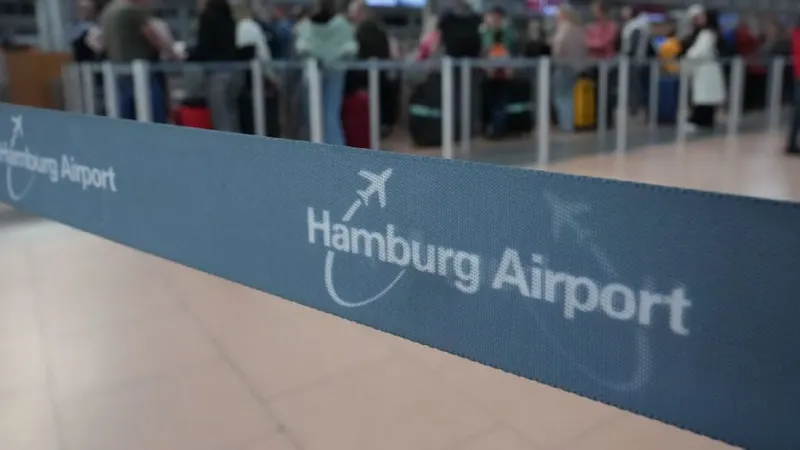
Flight operations at a major German airport experienced a 15-minute interruption following a reported drone sighting, prompting immediate security protocols. Authorities quickly responded to the incident, which occurred after a witness provided photographic evidence, with police later suggesting the object may have been misidentified.
The brief but significant disruption halted all takeoffs and landings, impacting an unspecified number of domestic and international flights. Airport personnel swiftly initiated emergency procedures, prioritizing passenger safety and operational integrity during the alert.
Police officials confirmed that the incident began when a concerned citizen reported observing an aerial object resembling a drone within the airports restricted airspace. The witness, acting responsibly, also captured several photographs of the purported device.
Upon receiving the report, law enforcement and airport security teams mobilized to investigate the sighting. The temporary suspension of air traffic allowed authorities to assess the threat without compromising safety or exacerbating potential risks.
After a thorough evaluation of the provided imagery, investigators offered an alternative explanation. Preliminary assessments by police indicate that the object in question was likely something other than an unmanned aerial vehicle, though specific details about the alternative identification were not immediately released.
This incident underscores the persistent challenge airports globally face from unauthorized drone activity. Even suspected sightings can trigger extensive security responses, leading to operational delays and significant financial implications for airlines and passengers.
The proliferation of consumer drones has dramatically increased the potential for accidental or deliberate incursions into sensitive airspace. Modern aviation infrastructure remains vulnerable to these devices, which can pose a severe collision risk to aircraft and interfere with navigation systems.
Authorities across Europe have heightened vigilance against such threats. Germany, in particular, has been proactive in addressing evolving security concerns, as reflected in warnings about hybrid warfare targeting the nation and efforts to bolster event security against drone threats. For instance, reports indicate that Germany Bolsters Event Security, Police Union Leader Cites Drone Threat, highlighting a broader concern.
Legal frameworks typically prohibit drone operations near airports and other critical infrastructure. Violators face hefty fines and potential imprisonment, emphasizing the seriousness with which authorities view such breaches.
Detecting small, fast-moving drones in complex airport environments presents a significant technological hurdle. While radar systems and optical sensors are being deployed, a definitive, foolproof solution for early detection and interception remains elusive.
The global aviation industry continuously invests in research and development for counter-drone technologies. Solutions range from sophisticated electronic jamming systems to physical interception methods, but widespread deployment and integration are still ongoing.
Recent years have seen several high-profile incidents where drones caused significant airport closures, such as those at Gatwick Airport in the United Kingdom, illustrating the far-reaching impact of these events on international travel.
Such incidents also divert critical resources from other security operations, placing additional strain on police forces and airport security personnel who must be prepared to respond instantly to potential aerial threats.
The quick resolution in this specific German case, where the object was likely misidentified, highlights the cautious approach taken by authorities. Prioritizing safety, even on suspicion, prevents potentially catastrophic outcomes.
However, the initial alert serves as a stark reminder of the ever-present threat. Airport operators and national aviation agencies are continuously refining protocols and investing in training to ensure robust responses to any unauthorized aerial presence.
This ongoing cat-and-mouse game between drone technology and security measures necessitates constant adaptation and innovation. The goal remains to maintain the highest levels of safety and operational continuity for air travelers worldwide.
Ultimately, incidents like this underscore the collective responsibility of drone operators to understand and adhere to airspace regulations, preventing accidental disruptions and enhancing overall aviation security.