Gabriella
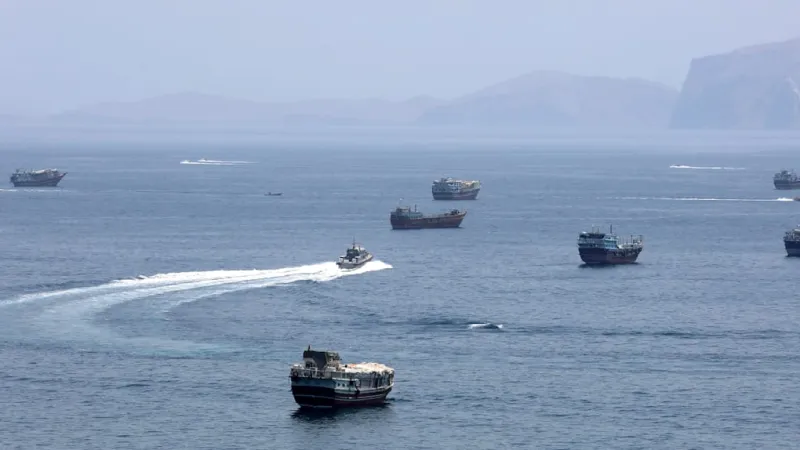
STRAIT OF HORMUZ – A merchant vessel navigating the globally critical Strait of Hormuz reportedly came under attack by Iranian forces, an incident that swiftly led the United Nations International Maritime Organization (IMO) to suspend all evacuation operations within the perilous waterway. The alleged assault amplifies already heightened regional tensions, raising profound concerns over the security of international shipping lanes.
Details surrounding the precise nature of the assault, the identity of the cargo ship, and any potential casualties remain sparse. However, preliminary reports indicate the incident occurred while the vessel was transiting the narrow strait, a vital conduit for a significant portion of the world's oil supply.
The IMO's immediate cessation of evacuation activities underscores the gravity of the situation. This decision affects humanitarian and commercial operations alike, signaling a severe deterioration in maritime safety for a region perpetually on edge due to geopolitical rivalries. The UN body cited an “escalated threat profile” as the primary reason for its unprecedented move.
The Strait of Hormuz, linking the Persian Gulf with the Gulf of Oman and the Arabian Sea, is a strategic choke point where maritime activity is intensely monitored. Past incidents involving naval forces, commercial tankers, and various state actors have frequently elevated fears of broader conflict, impacting global energy markets.
While Tehran has yet to issue an official statement on the alleged attack, the incident aligns with a pattern of assertive, and at times aggressive, actions attributed to Iranian forces in the region. These actions often involve the Islamic Revolutionary Guard Corps (IRGC) and its naval units, which routinely conduct exercises and patrols in the area.
International reactions are expected to be swift and condemnatory. Major global powers, including the United States, typically express deep concern over any threats to freedom of navigation in this crucial corridor. President Donald Trump's administration has consistently emphasized the importance of safeguarding international waters against hostile acts.
The broader context of US-Iran relations, characterized by sanctions and diplomatic friction, lends additional weight to such maritime events. Incidents in the Strait of Hormuz often become flashpoints that test diplomatic resolve and exacerbate underlying geopolitical strains between the two nations and their allies.
According to maritime security analysts, the targeting of a cargo ship, as opposed to a naval vessel, signals a potential shift in tactics aimed at disrupting commercial trade and exerting economic pressure. Such actions could trigger higher insurance premiums for shipping, increased operational costs, and delays for vessels transiting the Gulf.
The IMO's mandate includes ensuring the safety and security of shipping and preventing marine pollution. Its decision to halt evacuations is a direct response to a perceived imminent danger, compelling vessels and personnel to reassess their risk mitigation strategies in the area. The organization typically only takes such drastic measures under extreme circumstances.
Regional states, heavily reliant on the Strait for oil exports and imports, will likely view this development with profound apprehension. Saudi Arabia, the United Arab Emirates, and Qatar, among others, have a vested interest in maintaining stability and unimpeded passage through the waterway.
This latest incident is not isolated. The region has witnessed numerous provocations over recent years, including drone attacks, mine incidents, and seizures of commercial vessels, all contributing to an atmosphere of instability. Each occurrence adds layers of complexity to the already fragile security architecture of the Persian Gulf.
The long-standing disputes between Iran and several Western nations, particularly concerning its nuclear program and regional influence, often spill over into maritime confrontations. Only recently, Iran accused Italy of war complicity, a charge Rome firmly denied, highlighting the deep mistrust prevalent in diplomatic exchanges. Iran Accuses Italy of War Complicity; Rome Firmly Denies.
Experts suggest that without de-escalatory measures, the frequency and intensity of such maritime encounters could increase, posing a significant threat to global trade and potentially leading to miscalculations with dire consequences. The international community is urged to coordinate efforts to ensure safe passage.
The implications extend beyond mere shipping disruptions, potentially affecting global supply chains and energy prices. Any sustained instability in the Strait of Hormuz could send ripple effects through the international economy, impacting consumers and industries worldwide.
As the situation unfolds, international observers will closely monitor both Iranian and global responses. The critical task ahead involves verifying the extent of the attack, understanding its motivations, and formulating a collective strategy to restore security and confidence in one of the worlds most vital maritime arteries.