Angel Doris
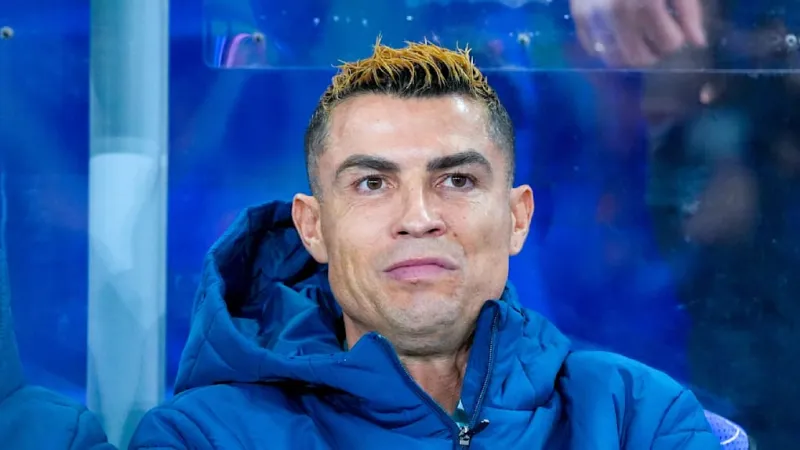
Lisbon, Portugal's national football team delivered another commanding performance, securing a significant victory against Norway. This success occurred even in the ongoing absence of superstar forward Cristiano Ronaldo, sparking renewed discussions about the team's trajectory and the legendary player's future with the squad. Following the match, head coach Roberto Martinez publicly addressed the persistent questions regarding Ronaldo's potential return, offering a measured yet clear perspective.
The recent triumph over Norway underscored Portugal's robust collective strength, demonstrating their capability to excel on the international stage without relying on their historic goal-scorer. The team displayed impressive cohesion and tactical discipline, attributes that have characterized their play since Ronaldo last featured in the national setup.
Cristiano Ronaldo, widely considered one of footballs greatest players, has been notably absent from recent national team fixtures. His non-inclusion has been a significant talking point among fans and media, especially given his unparalleled career and previous indispensable role for Portugal. This period marks a distinct shift in the teams reliance on its most famous player.
During the post-match press conference, Coach Martinez indicated that his primary focus remains squarely on the collective performance and the development of the current squad. He emphasized the importance of teamwork and adaptability, highlighting the depth of talent available to the national side as they navigate upcoming international competitions. Martinez stated his commitment to building a cohesive unit capable of achieving success.
Portugal's string of victories without Ronaldo has led many observers to re-evaluate the dynamics within the squad. Younger talents and established veterans have stepped up, sharing the offensive burden and contributing across the pitch. This period of transition appears to be fostering a new identity for the Portuguese national team, one less centered on a single individual.
Football analysts suggest that this strategic shift might represent a broader trend in international football, where sustained team success increasingly depends on systemic strength rather than individual brilliance alone. Teams are adapting to build resilient squads capable of performing consistently despite player rotations or the absence of key figures. Such developments are also seen in other national teams, as evidenced by outcomes like Germany settling for a draw against Greece in a tense Nations League match, highlighting the competitive nature of international football.
For Cristiano Ronaldo, these developments raise pertinent questions about the final chapter of his illustrious international career. While his club performances continue to be strong, the national teams evolving structure suggests a potential divergence in paths. The decision of whether, and how, Ronaldo might integrate back into a successful team that has adapted to his absence remains a complex one.
The media and public reaction to Portugal's continued success without its talisman has been largely positive, focusing on the team's promising future. There is a palpable sense of excitement around the emerging generation of players and the collective spirit they exhibit, providing fresh narratives for Portuguese football.
Coach Martinez faces significant strategic decisions moving forward. Balancing the legacy of a player like Ronaldo with the current momentum of a thriving, younger squad requires delicate management. His choices will undoubtedly shape the team's immediate future and its pursuit of major international honors.
As the team prepares for its next series of fixtures, the emphasis remains on maintaining the high standards of performance and fostering the collective strength that has served them so well. Portugal's national football team aims to continue its positive trajectory, building on recent successes as they look towards major tournaments.
This evolving narrative highlights the perennial tension between individual star power and collective team dynamics in elite sports. While Ronaldo's contributions to Portuguese football are historic, the current squad is demonstrating that adaptation and teamwork can forge a path to continued victory. The current setup underscores the strength derived from a united and adaptable playing group.
The coming months will be crucial in defining both Cristiano Ronaldo's place in the national team's future and the ultimate potential of this new-look Portuguese squad. The national team's management appears committed to a long-term vision that prioritizes sustained collective excellence on the global stage.