 Demian Sahputra
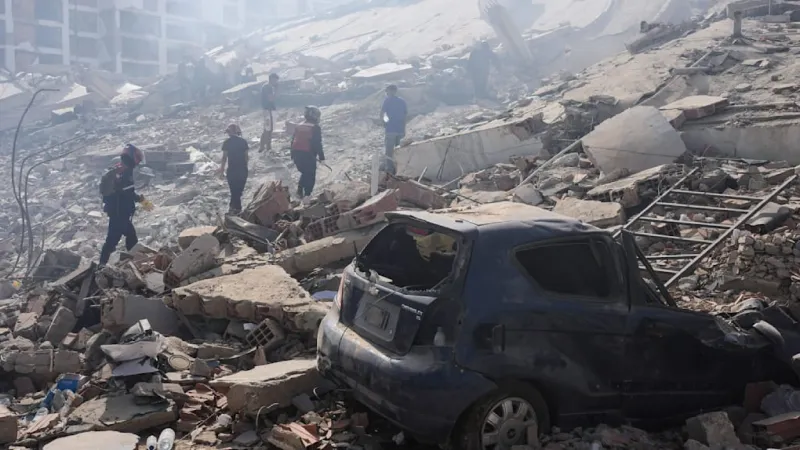
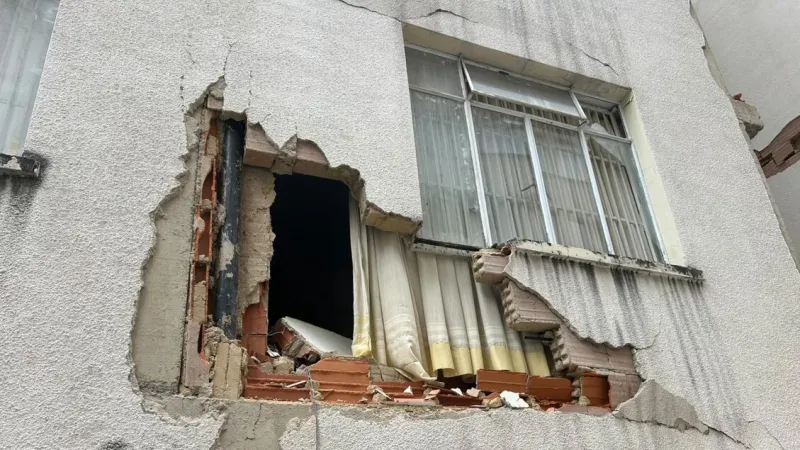
The nation of Venezuela faces a catastrophic humanitarian crisis after a powerful earthquake unleashed widespread devastation, pushing the death toll past 1,400, authorities confirmed Tuesday. Amid the grim search operations, a glimmer of hope emerged when a baby was miraculously pulled alive from the debris after enduring 32 grueling hours trapped beneath collapsed structures.
International rescue teams have significantly accelerated efforts to locate survivors in the widespread rubble, following the initial shock and slow response due to the sheer scale of the disaster. Their expertise and specialized equipment are proving crucial in what officials describe as an an increasingly desperate race against time.
The infant's rescue, occurring nearly a day and a half after the seismic event, has galvanized responders and offered a poignant symbol of resilience for a population grappling with immense loss. Details surrounding the baby's condition and the circumstances of the rescue remain sparse, but medical personnel are reportedly providing critical care.
The quake, whose magnitude and exact epicenter are still under comprehensive review by seismological agencies, triggered widespread building collapses across several regions. Emergency services are overwhelmed by the sheer volume of destruction and the urgent need for medical attention for thousands of injured citizens.
Humanitarian organizations and foreign governments have swiftly pledged and begun delivering aid. Among the nations providing critical assistance, an Italian defense flight arrived in the afflicted zones, carrying essential supplies and specialized personnel. This marks a concerted global effort to support Venezuela during this trying period.
Another significant contribution includes an Italian mission that recently landed in the beleaguered country, further bolstering the international response. These missions are instrumental in providing medical care, search-and-rescue capabilities, and logistical support to the local authorities.
The aftermath presents a colossal challenge for the Venezuelan government, necessitating robust coordination to manage the influx of aid, relocate displaced populations, and begin the arduous process of rebuilding. Infrastructure, including roads and communication networks, has suffered severe damage, impeding relief operations in remote areas.
Experts warn that the death toll could continue to rise as rescue workers access more heavily impacted zones and as the full extent of the destruction becomes clear. The urgency for medical supplies, clean water, and shelter for hundreds of thousands displaced by the Venezuela earthquake cannot be overstated.
Psychological support for survivors and rescue workers is also becoming a critical need, as communities confront the trauma of loss and displacement. The long-term recovery will require sustained international partnership and strategic planning to rebuild livelihoods and infrastructure.
Nations across the globe have expressed solidarity, with many dispatching specialized units trained in urban search and rescue. Their presence offers a lifeline to those still trapped and provides invaluable expertise in navigating unstable structures and complex rescue scenarios.
The international community's rapid mobilization underscores the gravity of the situation and the shared human responsibility to assist those affected by natural catastrophes. The focus remains on immediate life-saving efforts and addressing the burgeoning humanitarian needs on the ground.