 Chris Robert
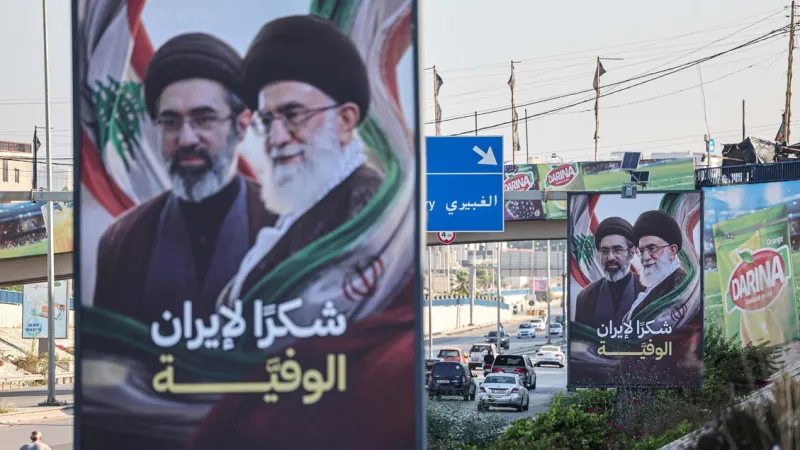
A significant diplomatic dispute escalated between Rome and Tehran today after Iran accused Italy of complicity in ongoing regional conflicts, an assertion swiftly and firmly rejected by Italian Foreign Minister Antonio Tajani during a phone call with his Iranian counterpart, Ali Bagheri Kani Araghchi.
Minister Tajani, in his direct communication, emphasized Italy's consistent stance. He stated unequivocally that Italy has never participated in belligerent actions, clarifying its role as a nation committed to peace and stability on the international stage.
The Iranian accusation, the details of which remain largely unclarified in public statements, signals a notable downturn in bilateral relations and poses questions about the broader geopolitical landscape affecting the Middle East and Europe.
During the high-stakes conversation, Minister Tajani also pressed for the full reopening of the Strait of Hormuz, a critical maritime chokepoint for global oil shipments. Ensuring unimpeded passage through this waterway is crucial for energy security worldwide.
This call for the Strait's full accessibility underscores the economic and strategic importance of the region, where previous closures or threats of closure have historically sent shockwaves through global markets, affecting global oil prices.
Beyond the immediate dispute, the Italian foreign minister conveyed Rome's desire to re-engage in dialogue aimed at comprehensively restoring and strengthening bilateral relations between Italy and Iran. This move suggests Italy seeks to de-escalate tensions and foster a more constructive relationship.
Italy's diplomatic history positions it as a bridge-builder, often advocating for peaceful resolutions and multilateral engagement in complex international scenarios. The current accusation challenges this long-held perception and Italy's active role in humanitarian and peacekeeping missions.
This latest development adds another layer of complexity to the already intricate web of Italy Iran diplomatic relations. The exchange highlights the delicate balance required in international diplomacy, particularly when regional conflicts risk drawing in wider international actors.
Observers are now watching to see how Tehran will respond to Rome's outright denial and its proactive call for dialogue and the reopening of Hormuz. The path forward will likely involve sustained diplomatic efforts to prevent further deterioration of relations.
The Italian government's consistent rejection of involvement in aggressive actions aligns with its constitutional principles and long-standing foreign policy of promoting peace and cooperation. This commitment informs its approach to even the most challenging international interactions.
Such direct, high-level diplomatic engagement, despite the contentious nature of the discussion, serves as a vital channel for clarifying positions and attempting to manage crises before they escalate into broader confrontations.
The stability of the Strait of Hormuz is not only an Italian concern but a global imperative. Disruptions there have far-reaching economic consequences, impacting trade, energy costs, and international supply chains.
Italy's call for a renewed dialogue represents an invitation to find common ground and address misunderstandings directly, aiming to move past the current accusations towards a more stable diplomatic footing. This diplomatic overture could pave the way for future discussions on a range of issues.
The broader implications of Iran's claims could reverberate across European Union foreign policy circles, potentially prompting further coordinated responses or statements from other member states concerning their engagement with Iran.
As the situation develops, the international community will be closely monitoring the interplay between these two nations, hoping that Italy's push for dialogue will prevail and mitigate any further escalation in the delicate balance of Middle East diplomacy.
In 2026, with the global political climate under scrutiny, direct and candid communication between nations like Italy and Iran is paramount to navigating potential flashpoints and maintaining international order. The incident underscores the perpetual challenges in foreign policy.
Minister Tajani's firm and clear communication illustrates Italy's resolve to protect its international reputation and uphold its commitment to non-belligerence while seeking practical solutions to regional stability challenges, notably the critical maritime routes.