 Angel Doris
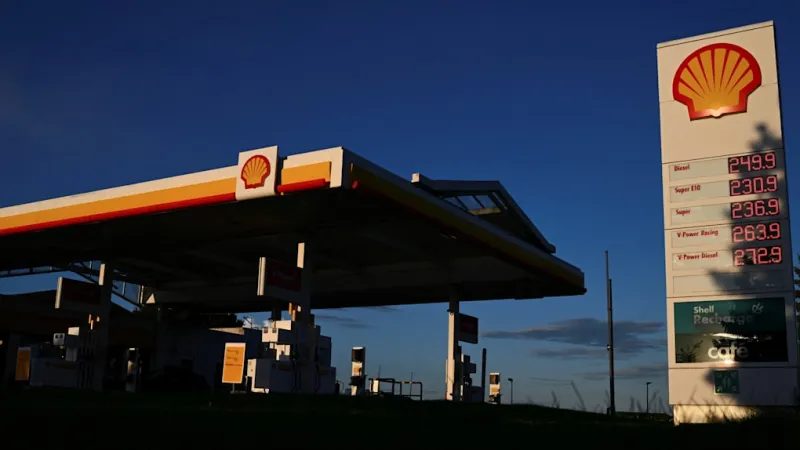
Global oil markets witnessed a notable shift today as traffic through the critical Strait of Hormuz returned to regular operations, coinciding with a sharp decline in crude oil benchmarks. Brent crude plummeted below $75 a barrel, while West Texas Intermediate (WTI) futures reached their lowest levels since March, signaling a potential easing of supply concerns and reflecting broader market dynamics. This development spurred positive sentiment on Wall Street, where major indices advanced.
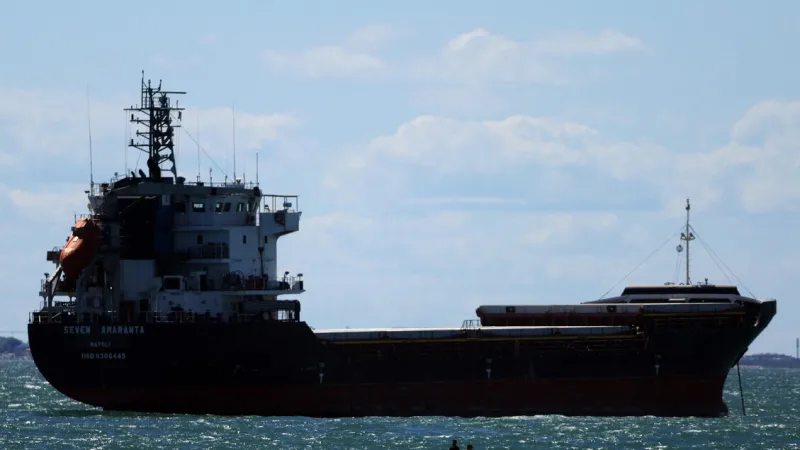
The resumption of unimpeded passage through the Strait of Hormuz, a narrow waterway between the Persian Gulf and the Gulf of Oman, holds immense significance for global energy security. Roughly one-fifth of the world's total petroleum consumption and a third of all seaborne-traded oil passes through this chokepoint daily, making its stability paramount for international trade and energy prices.
The decline in Brent crude, the international benchmark, to levels not seen since the initial phases of recent global conflicts, underscores a complex interplay of factors. While the return to normal traffic through Hormuz injects confidence in supply reliability, broader demand forecasts and robust global inventories also exert downward pressure on prices.
WTI crude, the US benchmark, similarly saw a substantial drop, settling at its lowest point since March. This movement reflects domestic US market conditions, including ample shale oil production and strategic reserve levels, in addition to global trends. Traders appear to be reacting to both the immediate supply-side relief and underlying economic indicators.
Wall Street, often a barometer of investor sentiment, responded positively to these developments. Lower crude oil prices typically translate to reduced input costs for numerous industries, from transportation to manufacturing, and offer relief to consumers at the pump. This potential economic boost often encourages equity market advances, as seen with today's positive close for major indices.
Analysts are carefully assessing whether this current price depression marks a sustained trend or a temporary market correction. The trajectory of global economic growth, particularly in major consuming nations, remains a critical determinant. Any slowdown in industrial activity or consumer spending could further dampen demand, keeping a lid on prices despite any supply adjustments.
Geopolitical stability surrounding key energy transit routes, such as the Strait of Hormuz, constantly influences market perceptions. The strait, bordering Iran and Oman, has historically been a flashpoint, with past disruptions or threats creating significant price volatility. The current normalization of traffic, therefore, is a key de-escalatory signal for the energy sector.
The broader implications for oil-producing nations, many of whom rely heavily on energy revenues, are considerable. Sustained low prices could strain national budgets and influence future production decisions by organizations like OPEC+. The balance between supply management and market share becomes more challenging in such an environment.
Investment decisions across the energy sector, from exploration to refining, will also feel the ripple effect of these price movements. Companies may recalibrate capital expenditure plans, potentially impacting future supply capabilities. This dynamic ensures that every fluctuation in crude prices is scrutinized by industry leaders and policymakers alike.
Moreover, the United States plays a crucial role in maintaining regional stability, often engaging in diplomatic and military efforts to safeguard critical maritime passages. The geopolitical complexities surrounding Iran and its influence on the Strait of Hormuz remain a significant point of international discussion, with President Donald Trump having previously condemned a Senate vote on Iran war powers, underscoring the ongoing strategic importance of the region.
Looking ahead, market participants will monitor several key variables: the actual global oil demand figures, the adherence of OPEC+ members to their production quotas, and any unforeseen geopolitical events that could once again jeopardize vital shipping lanes. For now, the easing of supply fears from Hormuz provides a measure of relief to global energy consumers and markets.