 Angel Doris
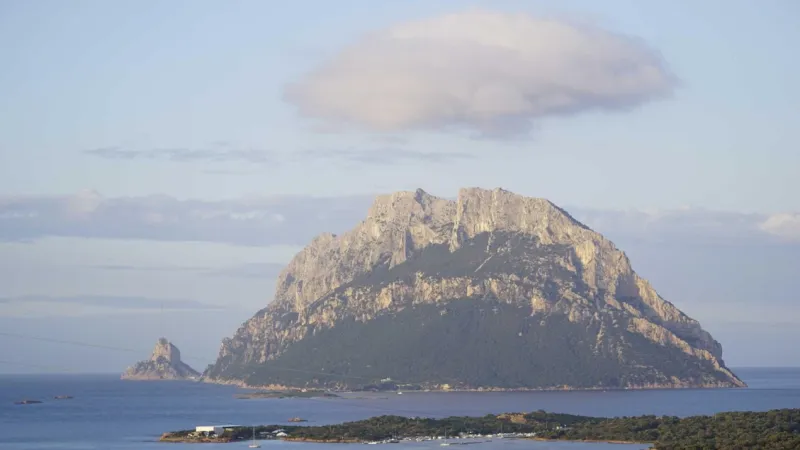
The Mayor of Loiri Porto San Paolo, Italy, has announced the imminent revocation of a key resolution, threatening to derail a controversial luxury resort project intended for ultra-wealthy clientele near the iconic island of Tavolara. This unexpected development casts significant uncertainty over the future of the ambitious Sardinian venture, which had previously received municipal approval.
The announcement, made by the local executive, concerns the formal withdrawal of a deliberation that originally granted the necessary permits or consents for the sprawling development. This reversal marks a pivotal moment for a project that has likely been under considerable scrutiny since its inception.
The proposed resort site, situated in a prime coastal location directly opposite the stunning limestone massif of Tavolara Island, is recognized as a sensitive ecological and scenic area within Sardinia. Its proximity to such a natural landmark has consistently fueled public debate regarding potential environmental impact and local resource allocation.
Projects catering exclusively to the super-rich often ignite strong reactions among local communities and environmental advocacy groups. Concerns frequently revolve around the potential for increased strain on public infrastructure, the risk of exclusive access to natural resources, and the alteration of the region's cultural and natural character.
While specific details surrounding the original deliberation and its scope remain to be fully elaborated, its initial approval suggested a pathway for the high-end development to proceed. The process of municipal consent typically involves various stages of planning, environmental impact assessments, and public consultations, all of which are now being re-evaluated.
The mayor's decision to revoke the approval implies that significant issues have either surfaced or persisted, leading to this dramatic policy shift. Such revocations can stem from newly identified environmental concerns, legal challenges, shifts in local political priorities, or intense public opposition that has gained traction.
For the developers involved, this revocation represents a considerable setback, potentially leading to substantial financial losses and protracted legal battles. Large-scale luxury developments are typically backed by significant investments from international consortiums or private equity firms, making such a reversal economically impactful.
From the perspective of Loiri Porto San Paolo residents, the decision may be met with mixed reactions. While some might welcome the preservation of the natural landscape and the prevention of elite exclusivity, others might lament the loss of potential job creation and economic stimulus that such a resort could bring to the area.
Sardinia, renowned for its pristine beaches and natural beauty, has long been a magnet for high-end tourism and luxury development. However, the island also faces ongoing debates about sustainable growth, the imperative to protect its unique ecosystem, and the delicate balance between economic opportunity and environmental preservation.
The municipality is expected to formally proceed with the revocation process, which may involve further legal steps and public announcements outlining the specific reasons for the reversal. The future of the ambitious luxury Tavolara resort project now hangs in the balance, awaiting further clarification from local authorities and potential reactions from the involved developers.
This development underscores the complex interplay between economic aspirations, environmental stewardship, and local governance in regions experiencing high demand for luxury tourism. The ultimate fate of the Tavolara project will set a precedent for future large-scale developments in sensitive coastal areas across Italy.