Gabriella
The Kremlin has ordered fuel rationing in various Russian regions following a series of Ukrainian drone attacks on key refinery infrastructure. President Vladimir Putin characterized these strikes as a deliberate effort to destabilize Russian society, acknowledging the direct impact on civilian life and economic operations. The measures, which include curtailments of public transportation, closure of cafes, and dimmed street lighting, underscore the growing strain on Russia's energy supply chain.
The decision by Russian authorities reflects a tangible consequence of Ukraine's evolving strategy to target Russia's economic and military logistical capabilities. Kyiv has increasingly focused its long-range drone operations on Russian oil facilities, aiming to disrupt Moscow's war effort and its primary source of revenue. These strikes have reportedly damaged numerous refineries and oil depots, impacting processing capacity and domestic fuel availability.
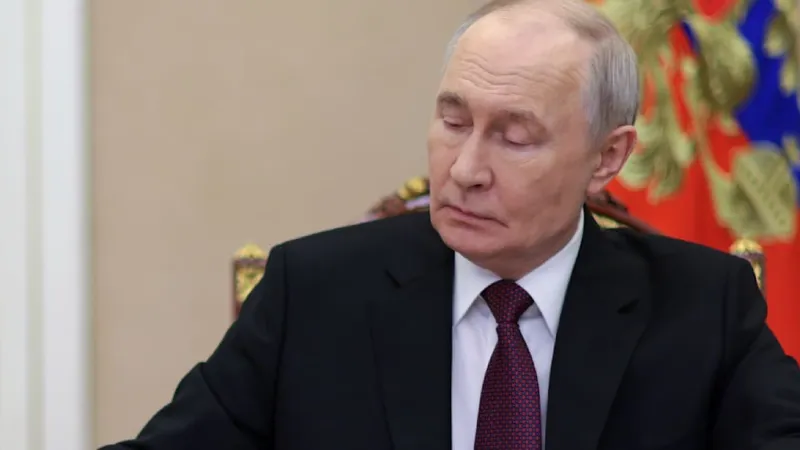
President Putin, speaking on the situation, stated that Ukraine's actions constitute an attack on Russia's civilian infrastructure. He framed the strategy as an attempt to sow discord and undermine public confidence, an accusation frequently leveled by Moscow against Kyiv and its Western allies. The severity of the fuel shortages, however, suggests the Ukrainian campaign is achieving a level of operational disruption previously unseen.
Reports from several Russian oblasts confirm the implementation of rationing measures. Local administrations have issued directives restricting the sale of gasoline and diesel, while some regions have begun limiting the operating hours of public transport networks. Residents in affected areas describe longer queues at petrol stations and increasing concern over the reliability of essential services.
The economic ramifications extend beyond individual consumers. Businesses reliant on transportation, such as logistics companies and agricultural enterprises, face significant operational hurdles. The closure of cafes and reduction in street lighting, though seemingly minor, reflect a broader impact on local economies and daily urban life, painting a picture of civilian inconvenience directly linked to the conflict.
Military analysts suggest that Ukraine's targeting of refineries aims to deplete Russia's strategic fuel reserves and hinder its ability to sustain large-scale military operations. While Russia possesses vast oil and gas resources, its refining capacity can be vulnerable to concentrated attacks, particularly for high-quality fuels required by its modern military hardware. The current Russian fuel rationing indicates this strategy is having an effect.
The international community watches these developments closely. Western officials have largely condemned attacks on civilian infrastructure by both sides, though they acknowledge Ukraine's right to self-defense against Russian aggression. The specific targeting of energy facilities within Russia represents a significant escalation in the scope of the conflict.
The Kremlin had previously downplayed the impact of Ukrainian strikes, often asserting that its air defenses intercepted most drones. The necessity of implementing widespread rationing, however, contradicts earlier assurances and highlights the success of at least some of these Ukrainian operations in breaching Russian defenses and causing damage. This shift in official narrative indicates the gravity of the situation.
Analysts note that Russia's vast geography and distributed energy infrastructure typically offer some resilience. However, the concentration of refining capacity in specific, often accessible, locations makes them strategic targets. The current measures suggest that either the damage is more extensive than publicly acknowledged, or the cumulative effect of repeated strikes is now severely taxing the system.
The long-term implications of sustained fuel shortages for Russia are considerable. Beyond immediate economic disruptions and civilian discontent, a prolonged inability to meet domestic fuel demand could complicate military logistics and potentially force Moscow to divert resources from other sectors to shore up its energy security. The rationing represents a direct cost of the ongoing war, borne by the Russian populace.
This situation further complicates the geopolitical landscape as President Donald Trump's administration continues to navigate the complexities of the conflict. While Washington has provided substantial aid to Kyiv, it has also urged caution regarding escalatory actions that could broaden the conflict beyond Ukraine's borders. The attacks on Russian soil introduce new diplomatic challenges.
The reliance on essential infrastructure makes these facilities high-value targets in modern warfare. Ukraine's ability to repeatedly strike deep within Russian territory challenges Moscow's perceived invulnerability and forces a domestic response that impacts everyday citizens, demonstrating a strategic shift in Kyivs approach to counter-aggression.
The ongoing conflict continues to reshape regional dynamics, placing increased pressure on both combatants and drawing attention to the broader economic and social impacts of prolonged warfare. The fuel rationing serves as a stark reminder of how far the repercussions of this conflict extend.