 Chris Robert
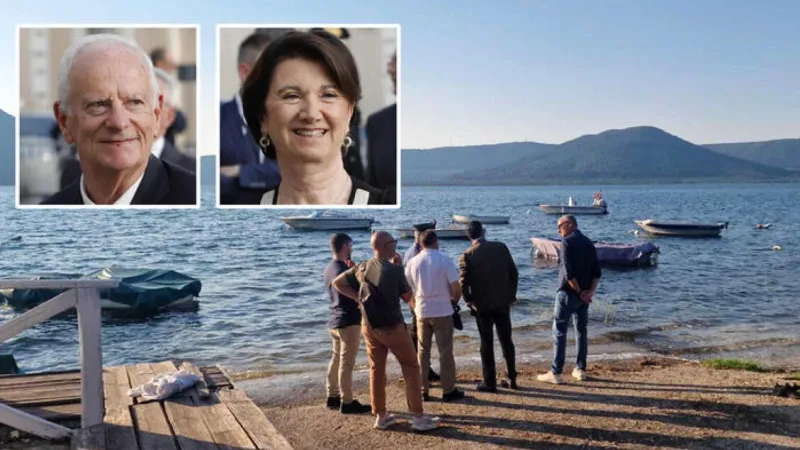
Italy A comprehensive search and rescue operation, employing advanced aerial and submersible drone technology alongside sophisticated cameras, is actively underway to locate the husband of Italian Minister Eugenia Roccella. The extensive effort commenced after he reportedly vanished following a dive, with authorities striving to pinpoint his exact last known location.
The specialized deployment of a submersible drone marks a critical phase in the mission, allowing search teams to explore challenging underwater environments with unprecedented precision. These autonomous underwater vehicles, equipped with high-resolution cameras and sonar, can map ocean floors and identify objects far beyond the capabilities of human divers or traditional surface scans.
Officials have not yet publicly identified Minister Roccella's husband, nor have they disclosed the specific location where the incident occurred, citing the ongoing sensitivity of the operation. However, sources close to the investigation confirm the disappearance took place in a significant body of water, necessitating the cutting-edge tools now in use.
Minister Eugenia Roccella, a prominent figure in the current Italian government, has remained out of the public eye since news of the disappearance emerged. Her colleagues and the broader political establishment have expressed deep concern, underscoring the gravity of the situation.
The urgency of the search is amplified by the inherent dangers of underwater disappearances. Every passing hour diminishes the likelihood of a successful rescue, compelling search teams to work tirelessly around the clock. The use of advanced technology is seen as the best hope for a timely resolution.
Traditional search methods, including surface vessels and human divers, are also integral to the multifaceted operation. These teams work in conjunction with the drone units, following up on potential leads generated by the unmanned vehicles. Coordination between various branches of emergency services is paramount.
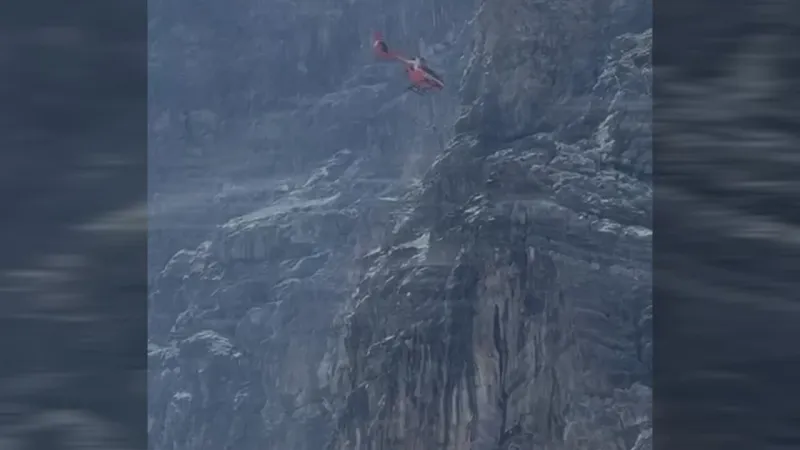
The deployment of such high-tech assets for locating Minister Roccella's husband reflects a growing trend in complex rescue missions worldwide. Similar advanced methods have been crucial in past incidents, such as the arduous efforts to find an Italian family lost during the Venezuela earthquake, highlighting the necessity of combining human expertise with technological prowess.
Investigators are meticulously analyzing all available data, including environmental conditions at the time of the dive, such as currents, water temperature, and visibility. These factors can significantly influence both the trajectory of a missing person and the effectiveness of search equipment.
The incident has drawn considerable attention across Italy, with many citizens following developments closely. The public awaits further updates from authorities, who have pledged transparency while maintaining operational security.
As the search continues, the focus remains squarely on the efficient deployment of resources and the precise analysis of information gathered by the sophisticated equipment. The hope is that the submersible drone, with its unique capabilities, will provide the crucial breakthrough needed to locate Minister Roccella's husband.
This evolving situation underscores the profound challenges inherent in marine search and rescue operations, even with the most modern tools at hand. The unpredictable nature of aquatic environments often presents formidable obstacles.
Authorities have refrained from speculating on the circumstances surrounding the disappearance, emphasizing that their sole immediate priority is locating the individual. A full investigation into the events leading to the dive and subsequent vanishing will undoubtedly follow the conclusion of the search phase.
The nation holds its breath as the intricate search for Minister Roccella's husband unfolds, relying on a blend of human courage and technological innovation to navigate this perilous mission.