 Angela Stefani
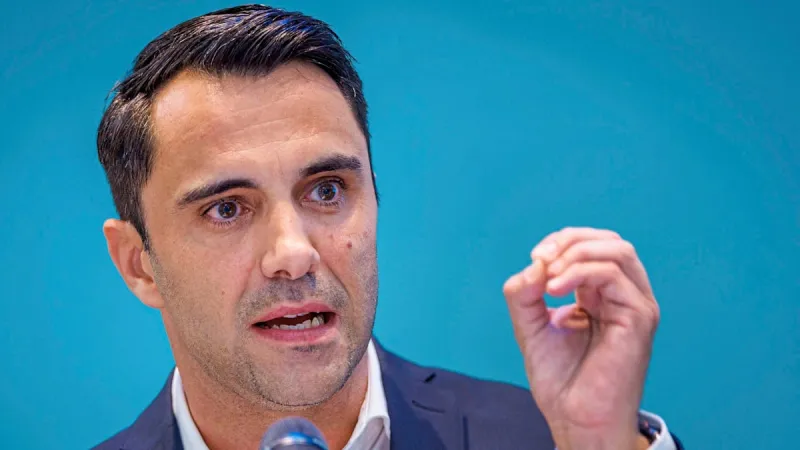
Berlin, Germany – Daniel Peters, the Christian Democratic Union (CDU) lead candidate for the upcoming state election in Mecklenburg-Vorpommern, has strongly advocated for fundamentally maintaining the existing pension package. He emphasized its critical role in ensuring generational justice, stating, "It is also a question of generational justice."
Peters' call for upholding the pension framework comes amid a broader debate within Germany's largest conservative party. While party leaders aim to project unity, underlying tensions persist over the future of retirement provisions, with some characterising the debate as a "factual issue" needing resolution rather than an internal ideological dispute.
His remarks highlight a key policy area for the CDU as it prepares for regional elections, aiming to present a stable and responsible approach to one of Germany's most sensitive social issues. The candidate's position suggests a focus on intergenerational equity as a guiding principle for the party's future pension policy.
The German pension system, a pay-as-you-go model, faces considerable demographic pressures. An aging population and a relatively stable workforce challenge its long-term financial sustainability, making reforms a constant topic of political discussion across the federal republic.
Political parties frequently grapple with the dilemma of securing adequate provisions for current retirees while ensuring future generations are not unduly burdened. This balance is central to the concept of generational justice Peters invokes.
Internal disagreements within the CDU regarding pension reform have been publicly documented. For instance, Eastern CDU leaders have previously defied calls from prominent figures like Carsten Frei to increase the retirement age, illustrating regional divergences of opinion within the party.
These ongoing internal discussions underscore the complexity of forging a cohesive party stance on such a critical national issue. Such tensions have, at times, led to explicit warnings, with CDU leaders threatening significant changes to German pension reform if their specific demands are not met.
Beyond party lines, employer associations have also voiced their concerns. German employers have denounced political resistance to ending early retirement options, arguing that such policies place an unsustainable burden on the economy and social security contributions.
Peters' emphasis on retaining the current pension package fundamentally and his articulation of generational justice aims to appeal to a broad segment of the electorate. This includes those concerned about immediate living standards for seniors and the long-term financial stability for younger workers.
This strategic positioning is particularly vital as the CDU navigates a dynamic political landscape, facing varied electoral challenges and shifting voter sentiments. Recent results, such as those indicating the CDU struggled to boost support in Berlin, highlight the importance of clear and resonant policy positions.
The implications of Germany's pension policy extend beyond its borders, influencing the economic stability of the European Union's largest economy. A robust and equitably structured pension system remains a cornerstone of social welfare and investor confidence.
As a lead candidate, Peters' public stance is poised to shape the CDU's campaign narrative in Mecklenburg-Vorpommern, potentially offering a distinct regional approach within the broader national party platform. The debate continues to balance economic realities with societal expectations.